How to Prune Squirrel's tail?
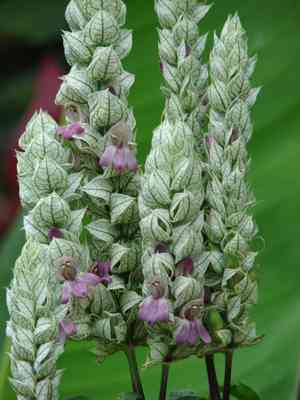
A unique perennial featuring foliage with white veins and spiky blossoms, squirrel's tail flourishes with consistent trimming and removal of spent blooms. Perform light pruning post-flowering to preserve its shape and stimulate denser development. The periods of early spring and summer are optimal, coinciding with stages of new growth. Excising faded flower stalks boosts the plant's health and aesthetic appeal. Refrain from severe cutting; instead, concentrate on judiciously thinning out aged or overcrowded stems. Advantages encompass improved blooming and defense against diseases through better air movement within the plant.
What Are the Benefits of Pruning Squirrel's Tail?
What Are the Benefits of Pruning Squirrel's Tail?
Trimming squirrel's tail encourages robust development and helps maintain its desired form. Cutting back overgrown branches ensures sufficient light reaches inner foliage, stimulating new, healthy growth and preserving the plant's decorative appearance.
What Is the Best Time for Pruning Squirrel's Tail?
What Is the Best Time for Pruning Squirrel's Tail?
Pruning squirrel's tail in late spring and early summer aligns with its post-flowering growth cycle, when the plant is actively growing and can recover quickly from pruning stress. This timing facilitates the removal of spent flowers, encourages bushier growth, and improves air circulation within the foliage. Additionally, the increased sunlight and warmer temperatures during these seasons promote healing of the pruning sites, reduce the risk of pest infestation and fungal infections, and align with squirrel's tail's natural growth rhythm to enhance its overall vigor and floral display in the following blooming period.
What Tools Do I Need to Prune Squirrel's Tail?
Hand Pruners
Perfect for precise cuts on squirrel's tail, hand pruners can neatly snip stems and remove dead or damaged leaves without harming the plant's delicate structure.
Shears
Useful for shaping squirrel's tail and trimming back excess growth, shears allow for even cutting of multiple stems at once, beneficial during the plant's active growth period.
Pruning Saw
For older, woody stems of squirrel's tail that hand pruners cannot manage, a pruning saw makes it easier to cut through thicker growth without damaging the plant.
Gloves
To protect hands from thorns or rough stems while pruning squirrel's tail, durable gloves are essential for safety and comfort during the task.
How to Prune Squirrel's Tail
Disinfect Tools
Before beginning the pruning process for squirrel's tail, sanitize all pruning tools with a solution of one part bleach to nine parts water to prevent disease spread.
Remove Diseases Leaves
Carefully inspect squirrel's tail for any diseased leaves, indicated by discoloration or unusual spots. Using your sterilized pruning shears, snip these leaves off at the base where they meet the stem, being careful not to damage the stem.
Trim Withered Leaves
Identify any withered or dead leaves on squirrel's tail that are brown or crispy. Gently prune these leaves at their base to promote healthy growth and improve air circulation around the plant.
Cut Diseased Stems
Examine the stems of squirrel's tail for any signs of disease, such as rot or lesions. Using sharp, clean pruning shears, cut back diseased stems to a healthy node or to the base of the plant, whichever is necessary to remove the affected portion completely.
Clean Up
Once pruning is complete, remove all pruned material away from squirrel's tail to prevent potential re-infection or pest attraction. Dispose of diseased plant parts properly to prevent spreading pathogens to other plants.
Common Pruning Mistakes with Squirrel's Tail
Overpruning
Removing too much foliage at once can stress squirrel's tail, weakening the plant and potentially causing stunted growth or dieback.
Blunt Instruments
Using dull or unclean pruning shears can result in jagged cuts that are more susceptible to disease and pests.
Improper Cut Location
Cutting too close to the main stem or too far from it can prevent proper healing and could lead to decay or even new, unwanted growth patterns.
Pruning Healthy Growth
Unnecessarily cutting away healthy growth can reduce the overall vigor of squirrel's tail, limiting its blooming potential.
Ignoring Dead Material
Failing to remove dead or diseased material can inhibit new growth and may encourage the spread of pests or disease.
Common Pruning Tips for Squirrel's Tail
Sterilize Tools
Before pruning squirrel's tail, always sterilize tools to minimize the risk of spreading disease between plants.
Angled Cuts
Making clean, angled cuts on squirrel's tail will help shed water away from the cut surface and facilitate quicker healing.
Identify Growth Nodes
Find and make cuts just above the lateral growth nodes or buds to encourage bushier growth and more blooms.
Thinning Older Stems
Thin out some of the older stems to improve light penetration and air circulation, which is crucial for the health of squirrel's tail.
Monitor Plant Response
Regularly monitor the plant's response after pruning to adjust future practices for optimal health and flowering of squirrel's tail.



