How to Transplant Phoenician juniper?
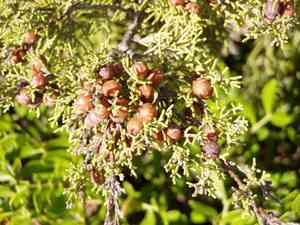
For Juniperus phoenicea, relocation thrives when performed as spring awakens or during the mild temperatures of autumn. Select a bright location with soil that drains effectively for peak development. If necessary, enhance the soil with coarse material to boost water permeability.
Essential Preparations Before Moving Phoenician Juniper
Optimal Timing for Relocating Phoenician Juniper?
The best time to move phoenician juniper is from mid-spring to late spring or from late autumn into the middle of winter. Transplanting phoenician juniper during these periods helps roots establish in mild temperatures, promoting strong growth and reducing plant stress. Ensuring your phoenician juniper is moved during these transition seasons allows it to adapt easily and thrive in its new spot. Remember, placing phoenician juniper in its new home during these recommended times sets the stage for a successful transplant and a flourishing plant.
Recommended Spacing Between Phoenician Juniper Plants?
Hello, gardening enthusiast! For your beautiful phoenician junipers, you'll want to give them ample room to develop. Aim to space them approximately 6-10 feet (2-3 meters) apart. This will allow each phoenician juniper to thrive without competing for resources!
Ideal Soil Mixture for Phoenician Juniper Transplanting?
Before introducing phoenician junipers to their new location, let's prepare the soil. They prefer well-draining ground, so sandy loams are perfect! Begin by mixing in a balanced, slow-release fertilizer to provide the necessary nutrients. Consider it a welcoming treat for your plants!
Where to Replant Your Phoenician Juniper?
When selecting a sunny location for your phoenician junipers, choose a spot where they can receive full sunlight for most of the day. An area that gets about 6 to 8 hours of direct sunlight would be ideal. They are sun-lovers, so the more light, the happier they'll be!
Tools Required Before Transplanting Phoenician Juniper
Gardening Gloves
To safeguard your hands while handling soil and the plant.
Spade or Shovel
For digging out the plant and preparing the new planting site.
Hand Trowel
For more detailed work or when moving a smaller specimen.
Watering Can or Hose
To hydrate the plant before and after the transplanting process.
Wheelbarrow or Plant Cart
To move the plant if it's too large or heavy to carry.
Pruning Shears
To trim any damaged roots or branches.
Mulch
To help retain moisture and stabilize soil temperature around the new planting area.
Rooting Hormone (optional)
To encourage root development in certain situations.
How to Extract Phoenician Juniper from the Ground
How to Extract Phoenician Juniper from the Soil?
From Ground: Water the phoenician juniper plant to moisten the soil. Use a spade or shovel to dig a wide trench around the plant, being careful to keep a substantial root ball intact. Gently work the shovel under the root ball to separate the plant from the soil and lift it out.From Pot: Water the phoenician juniper plant and gently tap the pot's sides to loosen the root ball. Tilt the pot sideways and carefully slide the plant out, supporting the stem's base with one hand. If the plant is stuck, roll the pot on the ground while applying pressure to help release the roots.From Seedling Tray: Water the seedlings to ensure the soil is damp. Use a hand trowel or spoon to carefully remove individual phoenician juniper seedlings, making sure to keep the root structure as intact as possible.
Step-by-Step Guide for Moving Phoenician Juniper
Preparation
Water the phoenician juniper plant thoroughly the day before transplanting to reduce stress and ensure root hydration.
Digging a New Hole
Excavate a hole twice the width of the root ball and the same depth to prevent burying the plant too low or high.
Plant Removal
Follow the appropriate removal method for your phoenician juniper plant from its original location - ground, pot, or seedling tray.
Transplanting
Carefully place the phoenician juniper plant in the center of the new hole, gently spreading out its roots. Backfill the hole with soil and lightly tamp to eliminate any air pockets.
Watering In
Water the phoenician juniper plant immediately after transplanting to settle the soil and hydrate the roots.
Applying Mulch
Add a layer of mulch around the base of the phoenician juniper plant to conserve moisture and regulate soil temperature.
Post-Transplant Care for Phoenician Juniper
Regular Watering
Water the phoenician juniper plant frequently to aid root establishment, gradually reducing as the plant adapts to its new environment.
Monitoring Growth
Observe the phoenician juniper plant for signs of stress, such as wilting or discolored leaves, and adjust care as needed.
Mulch Replenishment
Periodically check the mulch layer and replenish it as necessary to maintain adequate coverage and depth.
Pruning
Trim any damaged or dead branches to direct the phoenician juniper plant's energy towards developing new growth.
Protection
Provide protection from harsh conditions if required, such as staking the plant or shielding it from severe weather.
Addressing Common Issues with Phoenician Juniper Transplantation.
When is the ideal time to transplant phoenician juniper?
The perfect period to relocate phoenician juniper is during mid-to-late spring or from late autumn to mid-winter.
How far apart should I space phoenician juniper when transplanting?
Ensure phoenician juniper is spaced 6.5 feet to 10 feet (2 to 3 meters) apart, allowing ample room for growth.
What should I do if phoenician juniper's roots are damaged during transplant?
Carefully prune any damaged roots cleanly to promote healing and prevent rot before transplanting phoenician juniper.
Why is my transplanted phoenician juniper wilting?
Wilting could indicate stress from insufficient water or shock. Ensure proper watering and avoid full sun immediately after transplanting.
How deep should the hole be for transplanting phoenician juniper?
The hole should be as deep as the root ball and twice as wide to encourage root expansion.
Can I transplant phoenician juniper in the summer?
While not ideal due to heat stress, if necessary, provide extra water and shade to help phoenician juniper establish.
What type of soil is best for transplanting phoenician juniper?
Use well-draining soil with some organic matter to support phoenician juniper's root growth and health.
How should I water phoenician juniper after transplanting?
Keep the soil moist but not waterlogged. Water deeply to encourage roots to grow downward.
Should I fertilize phoenician juniper after transplanting?
Wait until phoenician juniper has shown signs of new growth before fertilizing to prevent burning delicate new roots.
My phoenician juniper looks dry after transplanting, what can I do?
Mulch around phoenician juniper to retain moisture, avoid direct sun, and water regularly without over-watering.



