How to Prune Phoenician juniper?
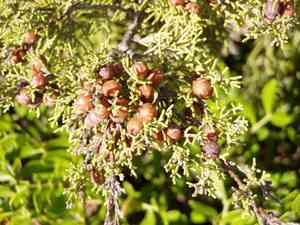
Celebrated for its hardiness and decorative appeal, phoenician juniper thrives with trimming to sculpt, revitalize, and eliminate deceased branches. Perform pruning during its dormant period in winter, prior to the emergence of new shoots. Cut judiciously, concentrating on intersecting limbs and guaranteeing a symmetrical framework. Consistent, meticulous trimming sustains vigor, encourages air circulation, and improves visual appeal. Refrain from extensive cutting to uphold its inherent shape. Expert horticulturists acknowledge the ease of caring for phoenician juniper through these methods.
What Are the Benefits of Pruning Phoenician Juniper?
What Are the Benefits of Pruning Phoenician Juniper?
Trimming phoenician juniper promotes robust development, encouraging fresh, vigorous shoots. It also preserves the plant's desired form, enhancing its visual appeal and overall vitality.
What Is the Best Time for Pruning Phoenician Juniper?
What Is the Best Time for Pruning Phoenician Juniper?
Trimming phoenician juniper from late winter to early spring is beneficial because the plant is inactive, reducing stress and the risk of disease spread. This timing allows phoenician juniper to recover and thrive with new growth in spring. Furthermore, pruning before new growth begins helps maintain the plant's shape and encourages stronger development throughout the growing season. Avoiding the blooming or fruiting periods ensures that phoenician juniper's natural cycle is not interrupted, thus promoting its health and longevity.
What Tools Do I Need to Prune Phoenician Juniper?
Bypass Pruners
Perfect for precise cuts on phoenician juniper, bypass pruners enable gardeners to trim branches up to 1/2 inch in diameter while minimizing harm to the plant's tissues.
Loppers
For branches exceeding 1/2 inch in thickness, loppers offer the necessary leverage to cut up to 1 1/2 inches in diameter. This is suitable for shaping phoenician juniper or removing larger, overgrown limbs.
Pruning Saw
For the thickest branches of phoenician juniper, a pruning saw can manage limbs larger than 1 1/2 inches in diameter. Its sharp teeth and ergonomic handle allow for cutting through dense wood without tearing.
Long-Handled Shears
To maintain the overall shape of phoenician juniper and ensure uniform growth, long-handled shears can be utilized for trimming foliage and smaller, easily accessible branches.
Gloves
Protective gloves are crucial to shield the gardener's hands from scratches and the resin that phoenician juniper might release during pruning activities.
How to Prune Phoenician Juniper
Inspect
Examine phoenician juniper thoroughly to identify withered leaves, as well as dead and diseased branches for removal.
Sanitize
Before trimming phoenician juniper, sterilize your pruning tools to prevent the transmission of diseases to healthy plant parts.
TrimDeadLeaves
Carefully remove withered leaves from phoenician juniper by hand or with precise pruners, taking care not to damage adjacent foliage.
CutBranches
Using sharp pruning shears, cut dead and diseased branches from phoenician juniper at a 45-degree angle, just above a live growth node or the tree's main trunk, to encourage healthy growth and healing.
CleanUp
Gather and dispose of all removed material from phoenician juniper to reduce the risk of disease and pest infestation.
Common Pruning Mistakes with Phoenician Juniper
Over-pruning
Removing too much foliage at once can stress phoenician juniper, impeding its growth and making it more vulnerable to pests and diseases.
Using dull tools
Blunt pruning tools can create jagged cuts that heal slowly, inviting infections and infestations.
Flush cutting
Cutting branches flush with the trunk can harm the bark and the branch collar, leading to improper wound healing and potential disease entry.
Pruning for symmetry
Attempting to achieve perfect symmetry can result in excessive pruning or uneven growth. Phoenician juniper naturally possesses a picturesque, irregular form.
Ignoring deadwood
Failing to regularly remove dead or dying branches can attract pests and decay, which may spread to healthy parts of the plant.
Common Pruning Tips for Phoenician Juniper
Health check
Before pruning, inspect phoenician juniper for indications of disease, pests, or dead wood. This will guide your pruning strategy to address problematic areas first.
Sharp tools
Utilize sharp, clean pruning tools to make precise cuts that heal quickly, minimizing the chance of disease.
Natural form
When trimming phoenician juniper, aim to preserve its inherent growth habit, which is often irregular yet appealing. Avoid imposing an unnatural shape.
Gradual thinning
Thinning out dense growth should be performed gradually over several seasons to avoid shocking the plant and to maintain its natural form.
Rejuvenation
If phoenician juniper requires rejuvenation due to overgrowth, spread heavy pruning over a couple of years to allow the plant to recover between sessions.



