How to Transplant Rose fruited juniper?
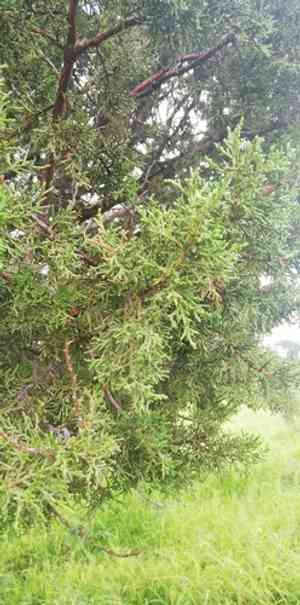
Rose fruited juniper flourishes when relocated in the early to middle part of spring, as the soil is more temperate and manageable. Select a bright, adequately draining spot. Provide sufficient room to prevent root rivalry, which aids in successful integration.
What Preparations are Needed Before Transplanting Rose Fruited Juniper?
What is the Ideal Time for Transplanting Rose Fruited Juniper?
Rose fruited juniper is best moved in early to mid-spring when ground temperatures are rising. This timing allows the plant to develop roots before summer's heat. Transplanting during this period promotes strong root development and minimizes relocation stress, ensuring the perennial thrives and adapts well to its new setting.
How Much Space Should You Leave Between Rose Fruited Juniper Plants?
For your rose fruited juniper, aim to position each plant approximately 12-15 feet (3.6-4.5 meters) apart. This provides ample room for growth and ensures proper air circulation. Mark your garden area accordingly before you begin digging.
What is the Best Soil Mix for Rose Fruited Juniper Transplanting?
Rose fruited juniper flourishes in soil that drains well. Prepare the soil by incorporating a foundational fertilizer, such as a balanced 10-10-10 (N-P-K) blend. This will supply essential nutrients and aid in more effective root establishment.
Where Should You Relocate Your Rose Fruited Juniper?
Select a sunny location for your rose fruited juniper, as it prefers full sun exposure. Ensure the site receives at least 6-8 hours of direct sunlight daily to support healthy development. Place markers to outline the planting spots.
What Equipments Should You Prepare Before Transplantation Rose Fruited Juniper?
Gardening Gloves
To safeguard your hands while handling soil and the plant.
Shovel or Spade
For excavating the plant from its initial spot and preparing the new planting hole.
Watering Can or Hose
To maintain soil moisture and hydrate the plant after its relocation.
Pruners or Scissors
For trimming any damaged roots or branches during the transplanting process.
Wheelbarrow
To move the plant if it is large and heavy.
Mulch
To help retain moisture around the newly transplanted plant.
How Do You Remove Rose Fruited Juniper from the Soil?
How Do You Remove Rose Fruited Juniper from the Soil?
From Ground: First, hydrate the rose fruited juniper plant to moisten the soil. Then, dig a wide trench around the plant using a shovel or spade, ensuring the plant's root ball remains intact. Carefully work the spade beneath the root ball to lift the plant from its original position.From Pot: Thoroughly water the rose fruited juniper plant before removal. Gently tilt the container and tap its sides to loosen the soil. Support the plant's base and carefully slide it out, keeping the root ball undisturbed.From Seedling Tray: Water the seedlings well prior to transplanting. Use a small tool or your fingers to gently lift the seedling from the tray, ensuring you donât harm the roots.
Step-by-Step Guide for Transplanting Rose Fruited Juniper
Preparing the New Location
Dig a hole twice as wide and equally deep as the root ball of your rose fruited juniper. This ensures the roots have ample room to spread. Make sure the hole is the same depth as the root ball to prevent the plant from being planted too deeply or too shallowly.
Removing the Plant
Utilize the removal technique appropriate for the plant's current setting (ground, pot, or seedling tray). Be gentle and take care to keep the root ball intact.
Placing the Plant in the New Hole
Position the rose fruited juniper in the center of the new hole, ensuring the top of the root ball is level with the ground surface. Fill the hole with soil, gently firming it around the roots to eliminate any air pockets.
Watering the Transplanted Plant
Water the rose fruited juniper thoroughly immediately after transplanting to help settle the soil around the roots. Keep the soil consistently moist during the initial weeks post-transplant.
Applying Mulch
Apply a layer of mulch around the base of the plant to help retain moisture, regulate soil temperature, and suppress weeds. Avoid piling the mulch directly against the plant stem to prevent rot.
How Do You Care For Rose Fruited Juniper After Transplanting?
Watering
Keep the soil around the rose fruited juniper consistently moist, but not waterlogged, for the first few weeks after transplanting to help establish strong roots.
Monitoring
Check the plant regularly for signs of stress such as wilting or yellowing leaves. This can indicate the plant needs more water or adjustments in care.
Pruning
Trim any damaged or dead branches to help the plant focus its energy on new growth.
Protection
If transplanting in an area with harsh winds or intense sunlight, consider using a temporary shade cloth or wind barrier to protect the plant during its adjustment period.
Troubleshooting Common Issues with Rose Fruited Juniper Transplantation.
When is the best time to transplant rose fruited juniper?
Early to mid-spring is ideal for transplanting rose fruited juniper. The plant establishes roots best during this period.
How much space should I leave between transplanted rose fruited junipers?
Ensure to space each rose fruited juniper 12-15 feet (3.7-4.6 meters) apart for optimal growth.
What type of soil is best for transplanting rose fruited juniper?
Plant rose fruited juniper in well-draining soil. Sandy loam or rocky soil works particularly well for this plant.
How deep should I dig when transplanting rose fruited juniper?
Dig a hole twice as wide and the same depth as the root ball of rose fruited juniper.
How do I prepare rose fruited juniper for transplanting?
Water the plant thoroughly a day before transplanting, and carefully dig around the root ball.
Should I prune rose fruited juniper before transplanting?
Lightly prune any damaged or excessively long branches to help rose fruited juniper recover more easily after the move.
How often should I water rose fruited juniper after transplanting?
Water rose fruited juniper regularly for the first few weeks. Keep the soil consistently moist but not waterlogged.
What should I do if rose fruited juniper shows signs of shock?
Keep it well-watered and shaded from harsh sunlight to help rose fruited juniper recover from transplant shock.
Do I need to fertilize rose fruited juniper after transplanting?
Avoid fertilizing immediately after transplanting. Wait about 4-6 weeks to give nutrients time to settle.
How can I protect rose fruited juniper from pests post-transplant?
Inspect regularly for pests and consider using organic insecticides if any are detected. Ensure good air circulation.



