How to Propagate Rose fruited juniper?
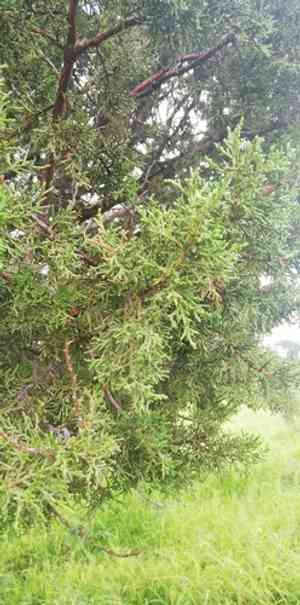
Juniperus communis var. depressa, also known as rose fruited juniper, flourishes in parched, desert-like environments and is ideal for water-wise landscaping. Reproduce rose fruited juniper by utilizing cuttings obtained from semi-lignified stems. Apply a rooting stimulant to foster root growth, then embed them in a soil blend that drains effectively. Supply a moderate amount of hydration until the root system is firmly established, making certain the substrate isn't oversaturated, subsequently decreasing irrigation as the specimen develops.
Optimal Time for Rose Fruited Juniper Propagation
Propagation Method
Cutting
Propagation Period
Autumn,Winter
Tools for Rose Fruited Juniper Propagation
Pruning Shears
Utilized for taking cuttings from the mature rose fruited juniper plant. Sharp, clean cuts are vital to minimize harm and prevent illness.
Rooting Hormone
Applied to the cut ends of rose fruited juniper to stimulate root development. This is especially helpful for woody plants like rose fruited juniper that may take longer to root.
Propagation Trays
Offer a controlled setting for rooting cuttings. They allow for proper drainage and can be easily moved for ideal light conditions.
Humid Dome
Employed to maintain elevated humidity levels around the cuttings. This prevents the cuttings from drying out and promotes successful rooting.
Mist Sprayer
Crucial for keeping the cuttings at the correct moisture level without saturating the soil. Frequent misting aids in the rooting process for rose fruited juniper.
Sterile Growing Medium
A well-draining medium like a mix of perlite and peat is essential for rose fruited juniper cuttings to ensure they donât sit in water and rot.
Heat Mat
Provides warmth from below to maintain consistent soil temperature, which can accelerate root formation in rose fruited juniper cuttings.
How to Propagate Rose Fruited Juniper?
Propagation Type
Moderately Difficult
Caring for Your Newly Propagated Rose Fruited Juniper
Caring for Your Newly Propagated Rose Fruited Juniper
Once the cutting has developed roots and exhibits new growth, gradually introduce it to the outdoor environment by increasing its exposure to light and fresh air over a period of one to two weeks. Ensure the soil remains consistently moist. Once the new plant is established, water moderately and provide well-drained soil. Rose fruited juniper thrives in full sun and can tolerate poor, rocky soils. Prune as needed to maintain shape and remove any dead or diseased branches.
Common Errors to Avoid When Propagating Rose Fruited Juniper
Overwatering
Excessive watering can lead to root rot, which can severely damage or kill rose fruited juniper. The soil needs to be well-draining to prevent water from stagnating.
Poorly Draining Soil
Using soil that retains too much moisture can prevent air from reaching the roots, leading to fungal infections and root rot.
Using Inappropriate Cuttings
Propagating with unhealthy or unsuitable cuttings can result in poor growth or failure to root altogether.
Lack of Sunlight
Insufficient sunlight can hinder the growth of rose fruited juniper, as it requires ample light for proper development.
Tips For Propagating Rose Fruited Juniper
Select Healthy Cuttings
Always choose healthy, disease-free cuttings from robust plants to ensure successful propagation.
Well-Draining Soil
Use a mix that drains well, such as a combination of sand and perlite, to avoid water retention which can damage the roots.
Moderate Watering
Water the cuttings lightly and allow the soil to dry out slightly between waterings to prevent root rot.
Proper Sunlight
Ensure the cuttings receive sufficient indirect sunlight to support their growth without exposing them to intense, direct sunlight which can be harmful.



