How to Prune Rose fruited juniper?
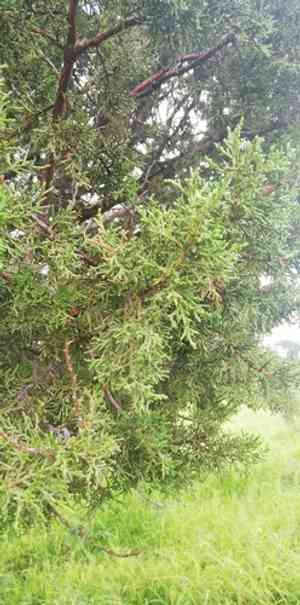
This bush, recognized for its fragrant leaves and unique pinkish fruit, thrives with meticulous trimming to preserve its form and vitality. Trim rose fruited juniper in the latter part of winter or early spring prior to the emergence of new shoots. Eliminate any deceased or impaired branches, and reduce crowded sections to enhance air movement. Refrain from extensive pruning to avert plant stress. Appropriate trimming fosters more robust development and elevates the plant's visual charm.
What Are the Benefits of Pruning Rose Fruited Juniper?
What Are the Benefits of Pruning Rose Fruited Juniper?
Trimming rose fruited juniper encourages robust development and helps maintain its form. Regular trimming eliminates dead or congested branches, improving air flow and light penetration, lowering the chance of pest and disease problems, and ensuring a well-shaped, thriving plant.
What Is the Best Time for Pruning Rose Fruited Juniper?
What Is the Best Time for Pruning Rose Fruited Juniper?
Trimming rose fruited juniper during late winter and early spring allows for quicker plant recovery as it enters its active growth phase. These periods are optimal because rose fruited juniper is dormant in late winter, reducing stress or damage from pruning. Additionally, pruning at this time aids in maintaining plant health by removing dead or damaged branches before new growth begins in early spring. This schedule supports the plantâs natural growth cycle and ensures a healthy, vigorous growing season.
What Tools Do I Need to Prune Rose Fruited Juniper?
Bypass Pruners
Bypass pruners are perfect for making clean cuts on live branches of rose fruited juniper. Their scissor-like action allows for precise cuts, minimizing plant damage.
Lopper
Loppers are effective for cutting through thicker branches, typically between 1 to 2 inches in diameter. They provide better leverage, simplifying the pruning of larger rose fruited juniper branches.
Hand Saw
A hand saw is suitable for branches thicker than what loppers can manage. It ensures smooth cuts on the larger branches of rose fruited juniper, preserving plant health.
Pole Pruner
For higher, inaccessible branches, a pole pruner is essential. This tool enables gardeners to trim without a ladder, ensuring safety and convenience when shaping rose fruited juniper.
Pruning Shears
Pruning shears are useful for finer, detailed work on smaller branches and foliage. They assist in precise trimming of rose fruited juniper to maintain its aesthetic shape.
How to Prune Rose Fruited Juniper
Identify problem areas
Inspect rose fruited juniper to locate and mark dead and diseased branches that require removal.
Disinfect tools
Sanitize your pruning tools with a disinfectant solution to prevent the spread of disease.
Remove dead branches
Cut dead branches back to the nearest healthy branch or main stem, making clean cuts at a slight angle.
Remove diseased branches
Sever diseased branches at least 6 inches below the affected area to healthy tissue, ensuring no diseased material remains.
Dispose properly
Discard all trimmed branches, especially diseased ones, away from the garden to prevent contamination.
Common Pruning Mistakes with Rose Fruited Juniper
Over-pruning
One of the most frequent errors gardeners make with rose fruited juniper is removing too much foliage at once. Excessive pruning can stress the plant, reduce its vigor, and diminish its natural shape.
Wrong cuts
Making improper cuts, such as cutting too close to the trunk or leaving stubs, can lead to damaged bark and increased susceptibility to pests and diseases.
Pruning at the wrong time
Although the season for pruning is not specified here, it's crucial to avoid pruning during extreme weather conditions or when the plant is under stress from drought or heat.
Common Pruning Tips for Rose Fruited Juniper
Use sharp tools
Always use sharp, clean pruning shears or saws to make clean cuts. This minimizes damage and helps the plant heal faster.
Thin out crowded branches
Remove any crowded or crossing branches to improve air circulation and light penetration. This encourages healthier growth and reduces the risk of disease.
Target dead or diseased wood
Focus on removing dead or diseased branches first. This helps redirect the plant's energy to healthy growth and prevents the spread of pathogens.
Cut back to a node
When making cuts, cut back to a node or a lateral branch, rather than leaving stubs. This promotes better regrowth and maintains the plantâs natural form.



