How to Transplant Redberry juniper?
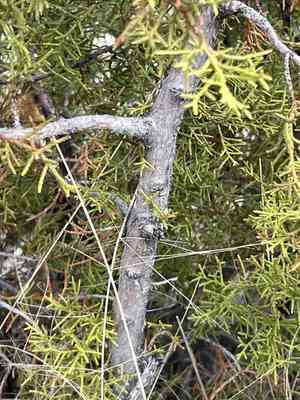
Redberry juniper flourishes when relocated from the beginning of summer through its end, owing to the warmth of the earth. Select a bright spot with soil that drains effectively. Refrain from transplanting during periods of intense heat to guarantee successful establishment.
What Preparations are Needed Before Transplanting Redberry Juniper?
What is the Ideal Time for Transplanting Redberry Juniper?
The period from early to late summer is optimal for relocating redberry juniper. During this time, warmer temperatures and extended daylight hours create prime growing conditions. Moving redberry juniper then aids in developing robust roots, ensuring vigor and resilience. This season promotes efficient nutrient absorption, boosting overall health and successful adaptation.
How Much Space Should You Leave Between Redberry Juniper Plants?
When relocating redberry juniper, ensure each plant is positioned 5-10 feet (1.5-3 meters) apart. This spacing facilitates proper air circulation and provides ample room for root expansion, fostering a healthy and strong plant.
What is the Best Soil Mix for Redberry Juniper Transplanting?
For redberry juniper, utilize well-draining soil, such as sandy or loamy types. Prior to relocation, incorporate a balanced or slightly acidic base fertilizer. Aim for a soil pH between 6.0 and 7.5 to offer optimal growth conditions.
Where Should You Relocate Your Redberry Juniper?
Select a sunny location for moving redberry juniper. This plant thrives best in full sunlight, meaning at least 6 hours of direct sun daily. Ensure the chosen spot is open and free from excessive shade.
What Equipments Should You Prepare Before Transplantation Redberry Juniper?
Gardening Gloves
To safeguard your hands while handling soil and the plant.
Shovel or Spade
For excavating and lifting the plant from its initial spot.
Watering Can or Hose
To hydrate the plant before and after its relocation.
Tarp or Wheelbarrow
To move the plant to its new site if it is large.
Pruners or Scissors
For trimming any damaged roots or branches.
Mulch
To assist in retaining soil moisture post-transplantation.
How Do You Remove Redberry Juniper from the Soil?
How Do You Remove Redberry Juniper from the Soil?
From Ground: First, moisten the redberry juniper's soil. Then, excavate a wide trench around the plant with a shovel or spade, ensuring the root ball remains intact. Carefully maneuver the spade beneath the root ball to lift the plant from its original position.From Pot: Thoroughly water the redberry juniper to dampen the soil. Gently invert the pot while supporting the plant with your hand. Tap the pot's base to loosen the plant, then carefully slide the root ball out.From Seedling Tray: Water the seedlings before moving them. Use a small tool or your fingers to gently lift the seedlings from the tray, ensuring the root ball stays intact.
Step-by-Step Guide for Transplanting Redberry Juniper
Prepare Site
Select a location that offers suitable conditions for redberry juniper to flourish. Dig a hole that is twice the width and the same depth as the root ball.
Remove Plant
Follow the appropriate extraction method to carefully take the redberry juniper from its current spot.
Plant Placement
Position the redberry juniper in the center of the hole. Ensure the top of the root ball is level with the surrounding soil surface.
Add Soil
Backfill the hole with the original soil, gently compacting it around the root ball to eliminate air pockets.
Water Thoroughly
Water the redberry juniper immediately after relocation to settle the soil and hydrate the plant.
Add Mulch
Apply a layer of mulch around the plant's base to help retain moisture and suppress weeds.
How Do You Care For Redberry Juniper After Transplanting?
Watering
Keep the soil around the redberry juniper consistently moist, but not waterlogged, for the initial weeks post-transplant to aid in root establishment.
Monitoring
Regularly check for indications of stress like wilting or yellowing leaves and address any issues promptly.
Pruning
Trim any damaged branches or roots during the relocation process and observe for future pruning requirements.
Troubleshooting Common Issues with Redberry Juniper Transplantation.
When is the best time to transplant redberry juniper?
Relocate redberry juniper from early summer to late summer for optimal outcomes.
How much spacing should there be between each redberry juniper?
Ensure 5-10 feet (1.5-3 meters) of distance between each redberry juniper for healthy development.
What type of soil is best for redberry juniper?
Redberry juniper thrives in well-draining soil, ideally sandy or loamy.
How do I prepare the new planting site for redberry juniper?
Loosen the soil and enrich it with compost to supply nutrients for redberry juniper.
How deep should I dig the hole for redberry juniper?
Excavate a hole twice as wide and as deep as the root ball of redberry juniper.
Should I water redberry juniper immediately after transplanting?
Yes, thoroughly water redberry juniper right after relocation to help establish roots.
Does redberry juniper require any special care during the first weeks after transplanting?
Keep the soil consistently moist and shield redberry juniper from strong winds during the initial weeks.
Can I transplant redberry juniper in partial shade?
Redberry juniper prefers full sun but can endure partial shade if necessary.
Should I prune redberry juniper before transplanting?
Pruning isn't essential, but removing damaged branches can lessen stress on redberry juniper.
How do I reduce transplant shock for redberry juniper?
Water adequately, reduce foliage, and avoid relocating during extreme heat to minimize shock for redberry juniper.



