How to Prune Redberry juniper?
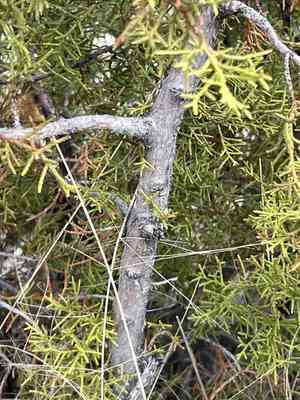
Juniperus scopulorum displays compact, verdant leaves and crimson fruit. The most effective time for trimming is in late winter or early spring. Start by excising any lifeless, injured, or infected limbs to preserve the plant's well-being. Reduce the density of interior branches to enhance air movement and light exposure. Preserving its inherent form during trimming boosts the plant's visual attractiveness and encourages robust development. Consistent trimming also lowers the likelihood of infestations and illnesses, guaranteeing a thriving, lively specimen.
What Are the Benefits of Pruning Redberry Juniper?
What Are the Benefits of Pruning Redberry Juniper?
Redberry juniper benefits from trimming by encouraging strong development and preserving its form. Pruning aids in size management, improves air flow, lessens pest infestations, and promotes healthier leaves. Regular trimming also enhances the aesthetic appeal and lifespan of redberry juniper.
What Is the Best Time for Pruning Redberry Juniper?
What Is the Best Time for Pruning Redberry Juniper?
Trimming redberry juniper in late winter or early spring is ideal as it coincides with the plant's inactive phase, lessening stress and enabling a strong recovery as the growing season commences. This timing also minimizes sap loss and lowers the chance of disease infestation. Furthermore, pruning during this period avoids disrupting the plantâs blooming and fruiting cycle, ensuring a healthy and productive growth phase.
What Tools Do I Need to Prune Redberry Juniper?
Hand Pruners
Hand pruners are perfect for cutting small branches and twigs. They provide accurate cuts, which are crucial for maintaining the health of redberry juniper.
Loppers
Loppers offer more leverage than hand pruners, making them suitable for cutting thicker branches up to 2 inches in diameter. This is essential for managing the dense, woody growth of redberry juniper.
Pruning Saw
A pruning saw is necessary for cutting through larger branches that loppers cannot handle. The sharp, curved blade allows for efficient cutting with minimal effort.
Pole Pruner
Pole pruners extend your reach, allowing you to trim higher branches without a ladder. This tool is particularly useful for taller specimens of redberry juniper.
How to Prune Redberry Juniper
Inspect
Examine redberry juniper thoroughly to identify dead and diseased branches. Look for changes in color, brittleness, and visible signs of disease.
Tools
Use clean, sharp pruning tools such as shears or loppers. Sterilize the tools with rubbing alcohol to prevent disease spread.
Trim dead
Remove dead branches by cutting back to healthy wood. Make clean cuts at an angle just above a node or main stem.
Trim diseased
Trim diseased branches several inches beyond the affected area into healthy tissue. Dispose of the trimmed, diseased material far from redberry juniper to prevent infection.
Assess
After pruning, reassess redberry juniper to ensure all dead and diseased branches are removed. Additionally, check for any minor damages caused during pruning and attend to them as necessary.
Common Pruning Mistakes with Redberry Juniper
Over-pruning
Removing too much foliage at once, which can stress the plant and inhibit growth.
Improper cuts
Making jagged or uneven cuts that can leave the plant vulnerable to disease and pests.
Using dull tools
Using unsharpened pruning shears can crush rather than cleanly cut stems, leading to damage and slower healing.
Incorrect timing
Pruning at the wrong time of year can disrupt the plant's growth cycle and reduce its ability to thrive.
Neglecting dead wood
Failing to remove dead or diseased branches, which can lead to spread of disease and overall poor health of the plant.
Common Pruning Tips for Redberry Juniper
Use sharp tools
Always use clean, sharp pruning shears to make precise cuts that heal quickly and reduce the risk of disease.
Follow the natural shape
Maintain the natural shape of redberry juniper by making selective cuts that encourage a balanced, open form. Avoid topping or heavy shearing.
Remove dead wood
Regularly check for and remove dead, damaged, or diseased branches to maintain plant health and appearance.
Thin selectively
Focus on thinning the interior branches to improve air circulation and light penetration, which supports healthier growth.
Prune for health
Prioritize removing crossing branches, suckers, and water sprouts to maintain structural integrity and prevent disease.



