How to Transplant Woodland rush?
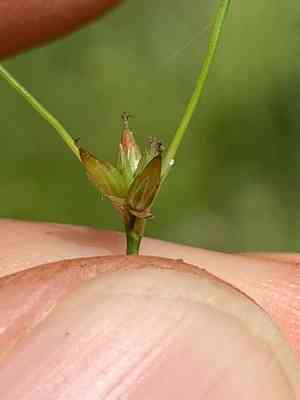
Woodland rush flourishes when relocated in the early to middle part of spring, a period when ground and atmospheric conditions foster robust root development. Select a site receiving full sun to dappled shade with damp earth for peak performance. Consistent irrigation is advisable to lessen the impact of transplant stress.
Preparations Required Before Relocating Woodland Rush
Optimal Period for Transplanting Woodland Rush
The best time to move woodland rush spans from the beginning of early spring to the end of late spring. During this phase, the soil gradually warms, creating favorable conditions for root development, while the abundant rainfall typical of these months ensures consistent moisture, minimizing transplant shock. This timing capitalizes on natural growth cycles, enhancing the perennial plant's establishment and resilience.
Recommended Spacing Between Woodland Rush Plants
When relocating woodland rush, position each plant 12-18 inches (30-45 cm) apart. This provides ample room for them to grow and spread comfortably without competing for resources. Dig a hole that is twice the size of the root ball to allow the roots sufficient space to expand.
Ideal Soil Mixture for Woodland Rush Transplantation
Prepare well-draining, sandy or loamy soil enriched with organic compost for woodland rush. Incorporate a slow-release granular fertilizer to provide a nutrient boost. This combination ensures the plant roots receive immediate access to nutrients while also promoting sustained growth.
Selecting a New Location for Your Woodland Rush
Choose a site that receives partial to full sunlight, approximately 4-6 hours of direct sun daily, for woodland rush. If you reside in a hotter climate, selecting an area with some afternoon shade can help the plant avoid excessive heat stress.
Equipment Needed Before Transplanting Woodland Rush
Gardening Gloves
To safeguard your hands while handling soil and the plant.
Shovel or Spade
For excavating and extracting the plant from its original spot and creating a hole for replanting.
Trowel
Useful for smaller digging tasks and working around the root system.
Watering Can or Hose
To hydrate the plant before and after its relocation.
Bucket or Wheelbarrow
To move the plant from its initial location to the new site.
Compost or Mulch
To enrich the soil around the new planting area.
Method for Removing Woodland Rush from the Soil
Method for Removing Woodland Rush from the Soil
From Ground: First, water the woodland rush plant to moisten the soil. Next, dig a wide trench around the plant using a shovel or spade, ensuring the plant's root ball remains intact. Carefully work the spade beneath the root ball to lift the plant from its original position.From Pot: Thoroughly water the woodland rush plant. Gently tap the pot's sides to loosen the soil and roots. Carefully turn the pot on its side and slide the plant out, taking care not to harm the roots. If the plant is stuck, a trowel can be used to loosen the edges.From Seedling Tray: Water the seedlings well. Gently press the bottom of the tray cells to lift each seedling out, striving to keep as much soil around the roots as possible.
Step-by-Step Guide for Relocating Woodland Rush
Preparation
Select a location with adequate sunlight and space for your woodland rush plant to thrive. Prepare the soil by loosening it with a shovel or spade.
Digging Hole
Excavate a hole that is twice as wide and the same depth as the plant's root ball. This will provide the roots ample room to spread and establish themselves.
Transplanting
Position the woodland rush plant in the hole, ensuring the top of the root ball is level with the surrounding soil. Backfill the hole with soil, gently pressing down to eliminate air pockets.
Watering
Thoroughly water the plant to help settle the soil around the roots. Ensure the water penetrates to the root zone.
Mulching
Apply a layer of mulch around the plant's base to help retain moisture and suppress weeds. Leave some space around the stem to prevent rot.
Post-Transplantation Care for Woodland Rush
Watering
Keep the soil around the woodland rush consistently moist, but not waterlogged, for the initial few weeks after transplanting to aid in strong root establishment.
Monitoring
Observe for indications of transplant shock, such as wilting or yellowing foliage. If detected, ensure the plant receives sufficient water and shade if necessary.
Weeding
Maintain the area around the woodland rush plant free of weeds to reduce competition for nutrients and water.
Fertilizing
Once established, you can apply a balanced fertilizer to support growth. Adhere to the instructions on the fertilizer packaging for the correct dosage and application schedule.
Resolving Common Issues with Woodland Rush Transplantation.
When is the best time to transplant woodland rush?
Relocate woodland rush from early spring to late spring for optimal growth and establishment.
How should I prepare the soil for transplanting woodland rush?
Ensure well-drained soil enriched with organic matter for healthy establishment of woodland rush.
What spacing should I use when transplanting woodland rush?
Space woodland rush 12-18 inches (30-45 cm) apart to allow room for growth and airflow.
How deep should I plant woodland rush during transplanting?
Plant woodland rush at the same depth as it was in its previous location to avoid stress.
Should I water woodland rush immediately after transplanting?
Yes, water woodland rush thoroughly after transplanting to help settle the soil and reduce transplant shock.
How can I minimize transplant shock for woodland rush?
Keep the roots moist and avoid disturbing them excessively during transplantation to reduce shock.
What should I do if the leaves of woodland rush turn yellow after transplanting?
Yellow leaves can indicate stress; ensure adequate watering and avoid over-fertilizing woodland rush.
Is mulching beneficial after transplanting woodland rush?
Yes, apply a layer of mulch around woodland rush to retain moisture and regulate soil temperature.
How often should woodland rush be watered after transplanting?
Water woodland rush regularly, keeping the soil consistently moist but not waterlogged for several weeks post-transplant.
Can woodland rush be transplanted in the fall?
While early to late spring is ideal, fall transplanting can be done with careful attention to moisture.



