How to Propagate Woodland rush?
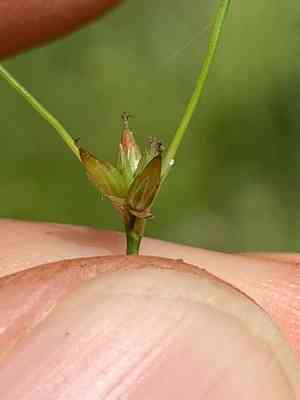
Woodland rush flourishes when multiplied via separation, an uncomplicated technique aligning with its vigorous, expansive growth pattern. For peak outcomes, perform this procedure in early spring precisely as vegetation resumes. Gently divide the thick root masses to guarantee each fresh segment possesses sufficient roots and sprouts. Immediately replant these segments in moisture-holding earth, replicating the damp environments of their native forest habitats. Consistent irrigation after transplanting aids in their seamless establishment.
Optimal Time for Woodland Rush Propagation
Propagation Method
Division
Propagation Period
Spring,Autumn
Tools for Woodland Rush Propagation
Sharp Knife or Garden Scissors
A keen knife or garden shears are vital for cleanly severing woodland rush rhizomes. Precise cuts help prevent tissue damage, which affects new plant health and root establishment speed. Clean cuts lower fungal infection risk, promoting healthier post-propagation growth.
Garden Fork or Spade
These implements are used to dig around and lift woodland rush, especially when dividing mature clumps for propagation. A garden fork is particularly useful for gentle lifting, minimizing root system damage, which is crucial for plant health and rapid re-establishment.
Watering Can with a Fine Rose
After division, maintaining proper moisture is crucial. A watering can with a fine rose attachment ensures a gentle, even water flow, providing necessary hydration without disturbing newly planted woodland rush divisions.
Rooting Hormone Powder
While not always essential, applying rooting hormone to the cut ends of woodland rush divisions can boost root development and shorten propagation time. This is especially beneficial for ensuring strong establishment and vigor in new plants.
Potting Mix or Garden Soil
A fresh, rich, well-draining soil mix is vital for successful establishment of woodland rush divisions. The soil should offer ample nutrients and support proper drainage, essential for preventing root rot and other moisture-related diseases.
Propagating Woodland Rush
Propagation Type
Easy
Caring for Newly Propagated Woodland Rush
Caring for Newly Propagated Woodland Rush
Post-propagation, keep the soil consistently moist but not waterlogged, ensuring good drainage. Woodland rush thrives in damp conditions similar to its natural woodland habitat. Mulching around plants helps retain soil moisture and suppress weeds. During the first growing season, watch for stress signs like wilting or discolored leaves, and adjust watering as needed. Initial fertilization is unnecessary; allow plants to establish with minimal intervention.
Common Propagation Mistakes with Woodland Rush
Overwatering
Excessive water can cause root rot for woodland rush, as it doesn't require constantly saturated soil. This can severely impact its root health and reduce survival chances after propagation.
Deep planting
Planting woodland rush too deeply can impede its ability to establish and sprout effectively. This error can lead to poor root development and diminished growth.
Using poor draining substrates
Propagating in substrates that hold too much moisture can create anaerobic conditions around woodland rush roots, detrimental to its overall health and growth.
Tips for Propagating Woodland Rush
Use well-draining medium
Employ a mixture that provides excellent drainage, such as sand or perlite combined with peat or loam. This ensures woodland rush roots have access to sufficient moisture without becoming waterlogged.
Light placement
Ensure woodland rush is propagated in conditions with adequate light but avoid direct sunlight, which can stress the plant and dehydrate it quickly.
Regular monitoring
Check moisture levels regularly but avoid overwatering. Monitor woodland rush's growth and adjust care as necessary to promote healthy roots and shoots.



