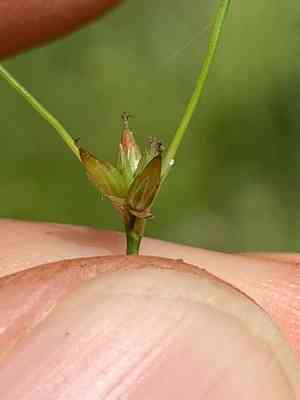
Woodland rush (Juncus subcaudatus)
Also known as: Slender Rush
Horsetail (Equisetum) is a hardy perennial that loves wet environments. This plant is characterized by its dark green, cylindrical stems and sparse foliage. It thrives in wetland areas, forming dense clusters that help stabilize marshy soils. Its small, inconspicuous flowers grow along the upper parts of the stems, subtly contributing to its role in maintaining the health of aquatic ecosystems.
In This Article
Attributes of Woodland rush
Lifespan
Perennial
Plant Type
Grass
Plant Height
0 mm to 91 cm
Spread
N/A
Leaf Color
Green
Flower Size
2-5 mm
Flower Color
White Yellow Green Purple Brown
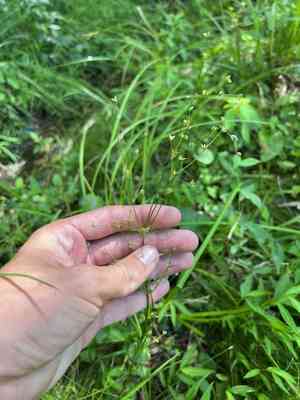
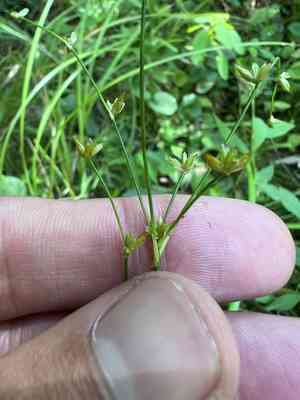
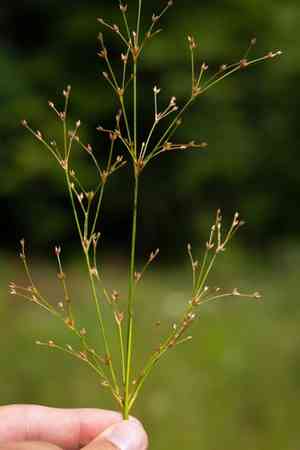
Images of Woodland rush
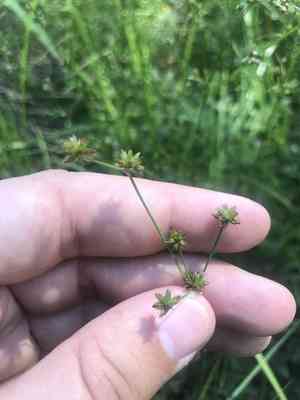
Quickly Identify Woodland rush
1
Juncus subcaudatus can be identified by its thin, cylindrical stems and the presence of small, inconspicuous flowers. The stems are typically green and grow in clumps.
Scientific Classification of Woodland rush
Phylum
Vascular plants
Class
Monocotyledons
Order
Poales
Family
Rush
Genus
Rushes
Species
Woodland rush
Planting and Growing of Woodland rush
Care Difficulty
Easy
Watering Schedule
Every 2 days
Sunlight Requirements
Full sun
Sunshine Duration
4-8 hours
Ideal Temperature
59-77℉
Soil Type
Potting Mix, Peat Mix
Soil pH
5.5-7
Fertilizer Type
Balanced
Pruning Season
Spring, Summer
Pruning Area
Branches, Leaves
Pruning Frequency
2 times a year
Repotting Season
Spring
Pot Type
Plastic, Ceramic
 How to Water Woodland rush?
Water Juncus subcaudatus with approximately 200 milliliters of water each time. Ensure the soil is evenly moist but not waterlogged. The soil should remain consistently damp, mimicking the plant's natural wetland habitat.
What are the symptoms of an underwatered Woodland rush?
›
What should I do if my Woodland rush is not getting enough water?
›
What are the symptoms of an overwatered Woodland rush?
›
How to save an overwatered Woodland rush?
›
 What Are the Sunlight Requirements for Woodland rush?
For Juncus subcaudatus, partial sun to full sun is ideal. These conditions ensure vigorous growth and maintain its structural integrity and overall appearance.
How to achieve ideal light conditions?
›
What steps ensure optimal lighting?
›
Benefits of ideal lighting conditions?
›
 What Is the Ideal Temperature Range for Woodland rush?
The ideal temperature range for Juncus subcaudatus is between 59°F and 77°F. This temperature range ensures optimal growth by providing a comfortable environment that mimics its natural habitat. Maintaining these temperatures helps the plant to photosynthesize efficiently, absorb nutrients, and develop properly.
 What Soil is Best for Woodland rush?
Juncus subcaudatus thrives in soils that can retain adequate moisture without becoming waterlogged. This moisture retention capability ensures the plant remains hydrated, which is crucial for its growth and overall health. The plant benefits from nutrient-rich soils that provide essential elements for its development. Regular addition of organic matter can enhance the soil's nutrient profile, promoting healthier growth and vibrant foliage. While the soil should retain moisture, it must also allow for proper drainage. This balance prevents root rot and other water-related issues, ensuring the roots have access to oxygen, which is vital for their function.
 How to Fertilize Woodland rush?
For Juncus subcaudatus, the amount of fertilizer should be moderate. It's ideal to use a balanced liquid fertilizer at half the recommended strength to avoid overfeeding. Typically, 1 teaspoon per gallon of water is sufficient, ensuring that the nutrients reach the roots without overwhelming them.
 How to Prune Woodland rush?
Use sharp, clean scissors or pruning shears. Start by removing any dead or discolored growth. Trim back any overlong stems to maintain a uniform shape. Cut just above a node to encourage branching. While pruning, aim for a tidy look that enhances the plant's natural form.
More About Pruning Techniques→
 How to Propagate Woodland rush plant?
1
Start by filling seed trays with a well-draining soil mixture. Sow seeds evenly over the surface and lightly press them into the soil. Maintain consistent moisture and provide indirect light for optimal germination.
2
During division, carefully dig around the plant to lift a section of the clump. Ensure each divided section has ample roots attached. Replant divisions at the same depth as the original plant, spacing them adequately.
3
Once the seedlings have developed a few true leaves, transplant them to individual pots. Use a potting mix and acclimate them to their new environment gradually, ensuring they receive suitable light and moisture.
 How to Repot Woodland rush plant?
1
Juncus subcaudatus needs repotting when roots start circling the pot or visible from drainage holes. It may also be repotted if water drains too quickly, indicating compacted soil. Spring or early summer, when the plant is vigorously growing, is the best time for repotting.
2
Select a pot slightly larger than the current one with ample drainage. A pot that is too large can retain excess moisture, leading to root rot. Ample drainage holes ensure that the roots stay dry enough, preventing waterlogging, and keep the rhizomes healthy.
3
Use a soil mix specifically designed for moisture-loving plants, ensuring good drainage to prevent root rot. A mix containing peat and sand or perlite is ideal. This helps retain necessary moisture while allowing excess to flow through, maintaining root health.
Learn More About Woodland rush Diseases
Anthracnose
Bacterial Leaf Spot
Bacterial Soft Rot
Damping-off
Downy Mildew
Drought Stress
Fusarium Wilt
Gray Mold
Leaf Spot
Mosaic
Nutrient Deficiency
Nutrient Toxicity
Powdery Mildew
Root Rot
Root-knot Nematode
Rusts
Sooty Mold
Spider Mites
Temperature Stress
Thrips Damage
White Mold
Chemical Injury



