How to Prune Woodland rush?
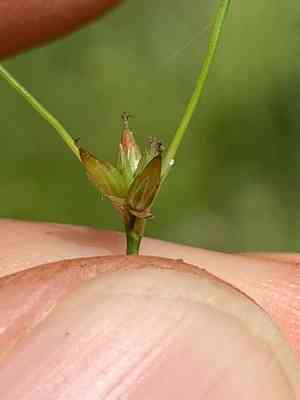
A perennial, clump-forming grass-like variety, woodland rush flourishes in moist, shaded forest environments. Trimming should mainly take place in early spring or during winter to boost development and preserve neatness. Cutting back aged or deceased leaves at the base is advisable to encourage fresh growth and guarantee the plant's well-being. This trimming not only prevents excessive density but also improves air movement, lowering the likelihood of illness. Consistent pruning benefits woodland rush by upholding its lively look and vitality across all seasons.
What Are the Benefits of Pruning Woodland Rush?
What Are the Benefits of Pruning Woodland Rush?
Trimming woodland rush promotes robust development and helps maintain its desired form. Regular cutting prevents excessive growth, ensuring woodland rush stays compact and visually appealing in natural garden settings.
What Is the Best Time for Pruning Woodland Rush?
What Is the Best Time for Pruning Woodland Rush?
Pruning woodland rush in early spring is ideal as it prepares the plant for new growth that typically occurs during this period. Trimming at this time helps remove any dead or damaged foliage from winter, allowing woodland rush to direct its energy into producing healthy new shoots. Additionally, winter is also an excellent time for pruning woodland rush because the plant is dormant. During this phase, the absence of active growth means pruning is less likely to stress the plant, and it can recover better as it emerges from dormancy in spring.
What Tools Do I Need to Prune Woodland Rush?
Hand Pruners
Perfect for trimming and shaping woodland rush due to their precision and ability to make clean cuts, which aids in promoting healthy regrowth. Ideally, use bypass pruners for their scissor-like action, which minimizes damage to the plant's delicate tissues.
Grass Shears
Effective for cutting back larger clumps of woodland rush, especially useful when needing to trim closer to the ground without harming the root system. Grass shears provide the ability to make controlled cuts, ensuring that only the desired areas of the plant are pruned.
Gardening Gloves
Essential to protect hands from moisture and any sharp edges, given that woodland rush can be typically found in moist environments, making the cutting process potentially slippery.
How to Prune Woodland Rush
Preparation
Gather the necessary tools for pruning woodland rush, including sharp, clean scissors or shears and gloves. Sterilize the tools before use to prevent the spread of diseases.
Identification
Carefully examine woodland rush for diseased and withered leaves. Look for leaves that are discolored, have spots, or appear dry and crumbled.
Trimming
Using the prepared scissors or shears, precisely trim off the diseased and withered leaves at their base, close to the main stalk. Ensure clean cuts to facilitate quick healing and avoid damage to the healthy parts of woodland rush.
Cleanup
Remove all trimmed leaves from the area around woodland rush to prevent any potential spread of disease or pests that might be harboring in the debris.
Health monitoring
After pruning, monitor woodland rush regularly for signs of new growth or recurrence of disease. This will help in identifying if further care and pruning are needed.
Common Pruning Mistakes with Woodland Rush
Over pruning
Removing too much foliage from woodland rush can weaken the plant. This mistake often stems from an attempt to overly tidy the appearance or stimulate growth. However, excessive pruning can stress woodland rush, reducing its vitality and making it more susceptible to diseases.
Improper cut locations
Cutting woodland rush too close to the ground or making cuts in non-viable sections can harm the plant's ability to rejuvenate. Proper cut placement — not too deep into the crown — ensures healthier regrowth.
Wrong timing within specified limits
Pruning woodland rush at inappropriate times within the specified guidelines can disrupt its growth cycle. Although the seasonal timing is set, pruning too early or too late within that period can impede flowering or new growth.
Common Pruning Tips for Woodland Rush
Selective pruning
For woodland rush, selective pruning allows the healthiest and strongest stems to thrive. By cutting back weaker and older stems selectively rather than uniformly shortening all stems, gardeners encourage a more robust, natural growth pattern.
Clean and sharp tools
Using clean, sharp tools is crucial for pruning woodland rush. Dull or dirty equipment can cause jagged cuts, damaging the plant's tissue and making it more prone to disease.
Gradual pruning
Instead of drastic pruning, gradually thin out the stems of woodland rush over several seasons, focusing on just the most overgrown or weakest areas. This approach minimizes stress and preserves the plant's natural shape.



