How to Transplant Broadleaf rush?
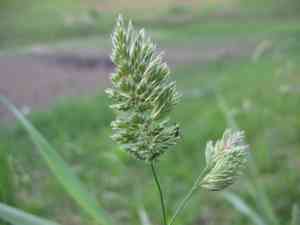
Juncus planifolius, a robust perennial, flourishes most effectively when relocated in the initial or middle part of spring, or from the middle to the latter part of autumn. Select sites featuring damp earth and dappled sunlight for peak development. Make certain that the root system is managed with care to prevent stress.
What Preparations are Needed Before Transplanting Broadleaf Rush?
What is the Ideal Time for Transplanting Broadleaf Rush?
Relocating broadleaf rush is best accomplished in early to mid-spring or mid to late autumn when temperatures are moderate and soil moisture is sufficient. This timing minimizes plant stress, encourages robust root development, and leverages natural precipitation. Transplanting during these periods reduces irrigation requirements and enhances the perennial's resilience and growth.
How Much Space Should You Leave Between Broadleaf Rush Plants?
When moving broadleaf rush, ensure a spacing of 12-18 inches (30-45 cm) between each plant. This provides ample room for full development and prevents excessive competition for resources.
What is the Best Soil Mix for Broadleaf Rush Transplanting?
For broadleaf rush, utilize well-drained, sandy loam soil. Enhance the soil with compost or a balanced fertilizer prior to planting. This will supply the necessary nutrients for the plants to establish and flourish.
Where Should You Relocate Your Broadleaf Rush?
Broadleaf rush thrives in sunny locations but can endure partial shade. Aim for a site where the plant will receive at least 4-6 hours of sunlight daily to promote healthy growth.
What Equipments Should You Prepare Before Transplantation Broadleaf Rush?
Gardening Gloves
To safeguard your hands while handling soil and plants.
Shovel or Spade
For excavating and lifting the plant from the ground.
Trowel
To assist in removing the plant from smaller containers like pots or trays.
Watering Can or Hose
To moisten the soil before and after the relocation.
Compost or Organic Matter
For enriching the new planting location.
Garden Fork
To loosen the soil surrounding the plant before lifting it.
Mulch
To aid in retaining soil moisture after transplanting.
How Do You Remove Broadleaf Rush from the Soil?
How Do You Remove Broadleaf Rush from the Soil?
From Ground: First, hydrate the broadleaf rush plant to moisten the soil. Then, excavate a wide trench around the plant using a shovel or spade, ensuring the plant's root ball remains intact. Carefully work the spade beneath the root ball to lift the plant from its original spot.From Pot: Water the soil in the pot to facilitate plant removal. Gently tilt the pot on its side and slide the plant out, supporting the root ball with your hand. If the plant is stuck, tap the pot's sides to loosen the soil.From Seedling Tray: Water the seedlings before removal to ensure the soil holds together. Use a trowel or your fingers to carefully lift each seedling from the tray, supporting the root ball and avoiding stem damage.
Step-by-Step Guide for Transplanting Broadleaf Rush
Prep the Site
Prepare the new planting location by loosening the soil and incorporating compost or organic matter to enhance soil structure and nutrient content.
Dig the Hole
Create a hole at the new site that is twice as wide and as deep as the broadleaf rush plant's root ball.
Lift the Plant
Carefully lift the broadleaf rush plant from its initial position, ensuring the root ball stays intact.
Place the Plant
Position the broadleaf rush plant in the center of the hole, making sure it sits at the same depth as it was in its previous location. Backfill around the root ball with soil.
Firm the Soil
Gently press down on the soil around the plant's base to eliminate any air pockets and to secure the plant in its new spot.
Water Thoroughly
Water the new planting area generously to help settle the soil and reduce transplantation shock.
Apply Mulch
Spread a layer of mulch around the plant's base to retain moisture and regulate soil temperature.
How Do You Care For Broadleaf Rush After Transplanting?
Watering
Keep the soil around the broadleaf rush consistently moist, but not waterlogged, for the initial weeks after transplanting to aid in establishing strong roots.
Monitoring
Regularly inspect the plant for signs of stress or pest issues, especially in the first few weeks post-transplant.
Pruning
Remove any damaged or dead foliage to help the plant direct its energy towards new growth.
Feeding
Consider applying a balanced, slow-release fertilizer if needed, following the manufacturer's guidelines.
Troubleshooting Common Issues with Broadleaf Rush Transplantation.
When is the best time to transplant broadleaf rush?
The optimal periods to relocate broadleaf rush are early to mid-spring or mid to late fall.
How much space should I leave between broadleaf rush plants?
Ensure a spacing of 12-18 inches (30-45 cm) between each broadleaf rush plant for healthy development.
What type of soil is ideal for transplanting broadleaf rush?
Broadleaf rush thrives in well-drained, loamy soil rich in organic matter for optimal growth.
How deep should I plant broadleaf rush during transplanting?
Plant broadleaf rush at the same depth it was growing in its previous location to avoid stress.
How should I prepare the soil before transplanting broadleaf rush?
Loosen the soil and mix in compost or organic matter to improve fertility and drainage.
How often should I water broadleaf rush after transplanting?
Water broadleaf rush thoroughly after transplanting and keep the soil consistently moist, not waterlogged.
What should I avoid when transplanting broadleaf rush?
Avoid relocating broadleaf rush during extreme heat or frost conditions to prevent shock and stress.
How can I reduce transplant shock for broadleaf rush?
Water well before and after transplanting, and consider using a root stimulator to minimize shock.
Do I need to trim broadleaf rush before transplanting?
Yes, trimming about one-third of the plant can help reduce water loss and stress during transplanting.
How can I protect broadleaf rush from pests after transplanting?
Use organic mulch around the base of broadleaf rush to retain moisture and deter pests without using chemicals.



