How to Propagate Broadleaf rush?
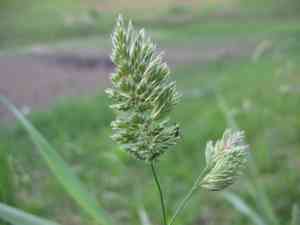
Juncus planifolius flourishes in damp habitats, frequently appearing in soggy fields and swamps. To achieve successful propagation, plant seeds directly into a soil blend that drains well yet retains moisture. Gently cover the seeds with growing medium to encourage sprouting. Keep the soil consistently moist and prevent oversaturation to guarantee ideal development. This plant is perfect for gardeners looking to incorporate a distinctive wetland variety into their assortment.
Optimal Time for Broadleaf Rush Propagation
Propagation Method
Seeding
Propagation Period
Spring
Tools for Broadleaf Rush Propagation
Seed Tray
A seed tray offers an appropriate setting for planting broadleaf rush seeds. It maintains steady moisture levels and facilitates easy observation of seedling development.
Seedling Heat Mat
A seedling heat mat ensures the soil temperature is ideal for broadleaf rush seed germination, which can significantly boost germination rates by providing the necessary warmth for seed activation.
Fine Mist Spray Bottle
A fine mist spray bottle helps keep the soil surface damp without over-saturating the delicate seeds. It ensures even moisture distribution, vital for broadleaf rush seeds to sprout correctly.
Vermiculite
Vermiculite is used to lightly cover seeds after planting. It aids in moisture retention and provides a suitable medium for broadleaf rush seeds to begin germinating.
Plant Labels
Plant labels are crucial for tracking sown seeds and identifying broadleaf rush among other species in a propagation setup. They assist in organizing the propagation environment efficiently.
Sterile Potting Mix
A sterile potting mix guarantees no pathogens or weeds will interfere with the germination and growth of broadleaf rush seedlings. It offers a clean and supportive base for seed development.
Humidity Dome
A humidity dome maintains high humidity levels around the seed tray, creating an ideal microenvironment for broadleaf rush seeds to germinate and grow into healthy seedlings.
Seed Dibber
A seed dibber is utilized to create small, precise holes in the soil for planting broadleaf rush seeds. This tool ensures seeds are placed at the correct depth, which is critical for successful germination.
How to Propagate Broadleaf Rush?
Propagation Type
Simple
Caring for Your Newly Propagated Broadleaf Rush
Caring for Your Newly Propagated Broadleaf Rush
Once seedlings are established, move them to their permanent growing spot in damp, well-draining soil. Broadleaf rush thrives in marshy conditions, so ensure the soil stays consistently wet. Regularly remove any competing weeds. Monitor for pests and diseases, applying suitable organic or chemical treatments if needed. Trim back any dead or damaged foliage to encourage healthy growth. Mature plants will benefit from occasional feeding with a balanced, slow-release fertilizer to maintain vigorous development.
Common Errors to Avoid When Propagating Broadleaf Rush
Overwatering
Excessive water can lead to root rot, as broadleaf rush prefers moist but well-drained soil.
Poor soil choice
Using heavy or poorly drained soil can suffocate the roots, hindering growth and causing disease.
Incorrect light conditions
Broadleaf rush thrives in full sun to partial shade. Providing too much shade can result in weak and leggy growth.
Neglecting pests and diseases
Ignoring early signs of pest infestation or disease can lead to significant damage, making propagation efforts futile.
Tips For Propagating Broadleaf Rush
Use well-draining soil
Ensure the propagation medium allows excess water to drain away, preventing root rot.
Monitor moisture levels
Keep soil consistently moist but not soggy to support healthy root development.
Provide appropriate light
Place in an area where it receives full sun to partial shade for optimal growth.
Regularly check for pests
Inspect frequently and treat any pest issues promptly to maintain plant health.



