How to Prune Broadleaf rush?
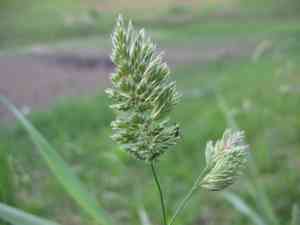
Juncus planifolius, recognized for its characteristic wide leaves and reed-like form, necessitates deliberate trimming to sustain its well-being and strength. Perform pruning from late winter through early spring to eliminate deceased or compromised leaves, fostering fresh development. Periodically thin out dense clusters to improve air movement and deter ailments. Regular trimming stimulates vigorous growth and aids in controlling its dimensions and contour. Utilize sanitized, sharp implements to lessen harm and the potential for contamination, consulting reputable gardening directives for optimal methods.
What Are the Benefits of Pruning Broadleaf Rush?
What Are the Benefits of Pruning Broadleaf Rush?
Trimming broadleaf rush promotes robust development by eliminating lifeless or weak sections, helping the plant retain its form. It improves air circulation, lessening pest and disease issues, and stimulates vigorous new growth, ensuring a strong and visually appealing look.
What Is the Best Time for Pruning Broadleaf Rush?
What Is the Best Time for Pruning Broadleaf Rush?
Trimming broadleaf rush in late winter and early spring is ideal as it aligns with the plant's dormant phase or the start of new development. Pruning at this time encourages healthy growth, lowers disease risk, and allows the plant to recover quickly before its active growing season. Furthermore, this timing avoids interfering with the plant's blooming and fruiting periods, ensuring that broadleaf rush can produce flowers or seeds effectively.
What Tools Do I Need to Prune Broadleaf Rush?
Hand Pruners
For accurate cutting and trimming of individual broadleaf rush stems. They offer precision and control for small-scale pruning tasks.
Long-handled Loppers
To reach and trim thicker broadleaf rush stems. These tools provide leverage and extra cutting power, perfect for maintaining plant shape and managing growth.
Pruning Shears
Useful for routine upkeep and minor trimming jobs on broadleaf rush. Their sharp blades assist in making clean cuts.
Pruning Saw
Needed for cutting through any thicker or older broadleaf rush stems that hand pruners or loppers might struggle with.
How to Prune Broadleaf Rush
Prep
Gather necessary tools such as clean, sharp pruning shears and gloves to prevent contamination and injury while trimming broadleaf rush.
Inspect
Carefully examine broadleaf rush for any diseased or withered leaves by looking for discoloration, spots, or overall wilting.
Trim diseased leaves
Using the pruning shears, cut off any identified diseased leaves at the base of the stem, ensuring to avoid damaging healthy parts. Dispose of these leaves immediately to prevent spread of disease.
Remove withered leaves
Trim any withered leaves by cutting them at the base where they connect to the main stem or rhizome. Ensure a clean cut to facilitate healthy regrowth.
Cleanup
Clear away all trimmed leaves and debris from the base of broadleaf rush to maintain a clean environment and reduce the risk of pest infestations or fungal growth.
Common Pruning Mistakes with Broadleaf Rush
Over-pruning
Excessive pruning can stress broadleaf rush, leading to weakened growth and reduced vitality. It's important to avoid removing too many leaves and stems at once.
Improper Tool Use
Using dull or dirty pruning tools can cause damage and increase the risk of disease. Always ensure tools are sharp and clean.
Cutting Incorrectly
Making cuts too close to the base or at a wrong angle can harm the plant. Proper cutting techniques are essential for healthy regrowth.
Ignoring Dead or Diseased Parts
Failing to remove dead or diseased foliage can lead to the spread of fungi or pests throughout broadleaf rush.
Neglecting Plant Shape
Ignoring the natural shape and structure of broadleaf rush can result in an unattractive appearance and poor growth patterns.
Common Pruning Tips for Broadleaf Rush
Moderate Pruning
Trim broadleaf rush moderately, focusing on removing dead, damaged, or diseased parts to encourage healthy growth. Avoid excessive trimming which can stress the plant.
Clean Tools
Always use clean, sharp tools to make precise cuts. This reduces the risk of infection and ensures smoother cuts.
Proper Cutting Technique
Make cuts at a 45-degree angle, slightly above a leaf node or bud. This promotes healthy regrowth and prevents water from pooling on the cut surface.
Remove Dead Foliage
Regularly inspect broadleaf rush for dead or diseased foliage and remove it promptly to prevent the spread of disease.
Maintain Natural Shape
Follow the natural growth pattern of broadleaf rush when pruning. This not only enhances its appearance but also supports optimal health and growth.



