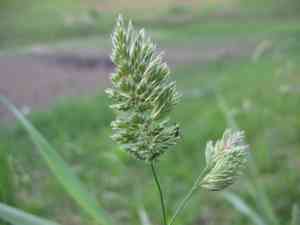
Broadleaf rush (Juncus planifolius)
Also known as: Flat-leaved rush, Grass-leaved rush
Broadleaf rush thrives in wet, marshy areas, often found along the edges of ponds, lakes, and streams. Its preference for high water availability allows it to adapt well to these environments. This perennial plant features flat, grass-like leaves and produces small, dense clusters of flowers. Broadleaf rush frequently forms extensive mats, providing essential habitat in its aquatic surroundings.
In This Article
Attributes of Broadleaf rush
Lifespan
Perennial
Plant Type
Herb
Plant Height
30-50 cm
Spread
Not applicable
Leaf Color
Green
Flower Size
0.5-1 cm
Flower Color
Brown to greenish
Images of Broadleaf rush
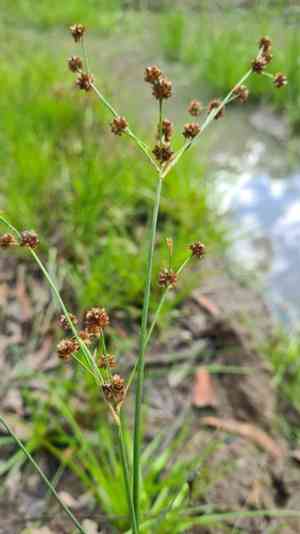
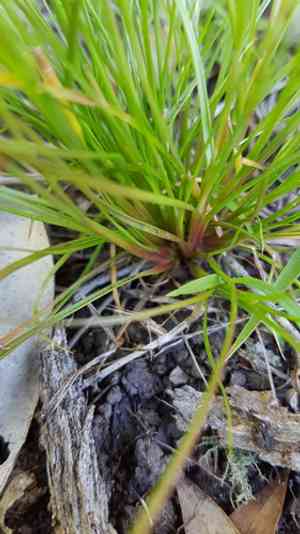

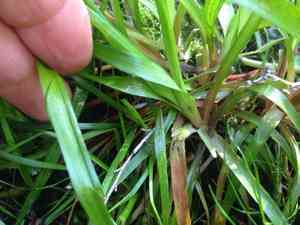
Quickly Identify Broadleaf rush
1
Identify Juncus planifolius by its flat leaves, which distinguish it from other rushes that often have round or cylindrical leaves. Look for the plant in moist or wet environments like marshes, stream banks, and damp grasslands.
Scientific Classification of Broadleaf rush
Phylum
Vascular plants
Class
Monocotyledons
Order
Poales
Family
Rush
Genus
Rushes
Species
Broadleaf rush
Planting and Growing of Broadleaf rush
Care Difficulty
Easy
Watering Schedule
Every 8 days
Sunlight Requirements
Partial sun
Sunshine Duration
6-12 hours
Ideal Temperature
60-75℉
Soil Type
Potting Mix, Peat Mix
Soil pH
5.5-7.5
Fertilizer Type
Balanced
Pruning Season
Spring, Summer
Pruning Area
Branches, Leaves
Pruning Frequency
Once a year
Repotting Season
Spring
Pot Type
Plastic, Ceramic
 How to Water Broadleaf rush?
When watering Juncus planifolius, aim for about 200 ml per session. Ensure the soil stays evenly moist but not soggy. Consider using a well-draining potting mix to prevent water retention, as the roots benefit from consistent moisture without standing water.
What are the symptoms of an underwatered Broadleaf rush?
›
What should I do if my Broadleaf rush is not getting enough water?
›
What are the symptoms of an overwatered Broadleaf rush?
›
How to save an overwatered Broadleaf rush?
›
 What Are the Sunlight Requirements for Broadleaf rush?
Partial sun to full sun strategically ensures strong growth without risk of leaf burn, promoting healthy development in properly lit environments.
What is the ideal lighting for Juncus planifolius?
›
How can I achieve ideal lighting conditions?
›
What benefits does ideal sunlight provide?
›
 What Is the Ideal Temperature Range for Broadleaf rush?
The ideal temperature range for Juncus planifolius is between 60°F and 75°F. This range provides optimal conditions for the plant's growth and development. In this temperature band, Juncus planifolius can efficiently carry out photosynthesis, nutrient uptake, and overall metabolic processes. Maintaining consistent temperatures within this range ensures the plant remains healthy and vigorous, showcasing its characteristic lush foliage.
 What Soil is Best for Broadleaf rush?
Juncus planifolius thrives in soil that retains moisture without becoming waterlogged. This ensures the roots have access to water consistently, supporting the plant's lush growth. The plant requires soil rich in nutrients to sustain its growth and vibrant green color. Essential nutrients boost its resilience to environmental stresses. Though it loves moisture, drainage is crucial to prevent root rot. Well-drained soil ensures that excess water flows away, keeping the roots healthy.
 How to Fertilize Broadleaf rush?
For Juncus planifolius, it is advisable to use a balanced, all-purpose fertilizer. A liquid fertilizer at half the recommended strength is usually sufficient to provide the nutrients it needs without causing fertilizer burn. Be cautious not to exceed the recommended amount as it could lead to salt buildup in the soil.
 How to Prune Broadleaf rush?
Start by assessing your Juncus planifolius for any dead, damaged, or diseased stems. These should be removed first to maintain the plant's overall health. Using a pair of sharp, clean pruners, cut the undesirable stems as close to the base as possible. Then, trim back any overly long or unruly stems to shape the plant and encourage more compact growth. Be mindful to make clean cuts to avoid tearing or damaging the healthy parts of the plant.
More About Pruning Techniques→
 How to Propagate Broadleaf rush plant?
1
Use a well-draining soil mix for sowing seeds. Ensure the soil is slightly moist but not waterlogged. This creates an ideal environment for seed germination and prevents any potential fungal issues.
2
Spread the seeds evenly over the surface of the soil and cover them lightly with a fine layer of soil or vermiculite. This helps maintain moisture and supports germination by preventing seeds from being washed away.
3
Carefully dig up the mature plant and gently separate the tufts using a sharp garden knife, making sure each section has roots. Replant each section in a prepared area to encourage quick establishment.
 How to Repot Broadleaf rush plant?
1
Juncus planifolius should be repotted when its roots start to bound or protrude from the pot's drainage holes. Another signal is when the water takes too long to drain after watering, indicating compacted soil. Early spring and late autumn are ideal times for repotting to allow roots to settle without the stress of summer heat.
2
Select a pot that is one size larger than the current pot, ensuring it has adequate drainage holes. The excess room will allow roots to expand, promoting healthier growth. A well-drained pot prevents waterlogging, which can lead to root rot, a common problem in overly moist conditions.
3
Opt for a well-draining potting mix rich in organic matter; this ensures proper drainage while retaining enough moisture for the plant's needs. The organic content aids nutrient supply, while good drainage minimizes the risk of waterlogging and root diseases.



