How to Transplant Parry's rush?
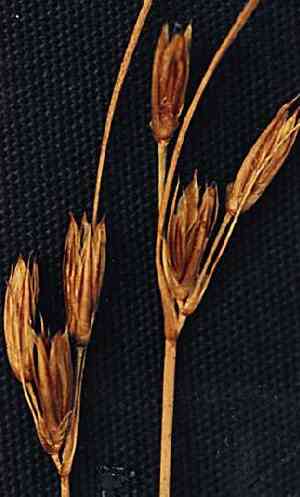
Parry's rush flourishes when relocated between early and late spring, or from late autumn to late winter. Select a site that receives full sun or partial shade and features soil that drains effectively. Verify that the chosen spot retains uniform dampness, yet steer clear of overly saturated ground.
What Preparations are Needed Before Transplanting Parry's Rush?
What is the Ideal Time for Transplanting Parry's Rush?
Parry's rush, a perennial plant, thrives best when moved from early to late spring or late autumn to late winter. These periods ensure optimal soil moisture and root establishment. Relocating during these times minimizes stress and promotes vigorous growth, as the weather is cool and soil conditions are ideal. Proper timing enhances overall plant health and resilience.
How Much Space Should You Leave Between Parry's Rush Plants?
When transplanting parry's rush, ensure to space each plant 12-18 inches (30-45 cm) apart. This helps provide enough room for growth and prevents overcrowding, ensuring your plants thrive and have ample access to nutrients, water, and sunlight.
What is the Best Soil Mix for Parry's Rush Transplanting?
For parry's rush, use well-draining soil mixed with organic matter like compost. A light, sandy-loam soil works best. Add a balanced base fertilizer to the soil to provide essential nutrients, ensuring parry's rush has a healthy start in its new location.
Where Should You Relocate Your Parry's Rush?
Choose a sunny spot for transplanting parry's rush. It thrives in full sun but can tolerate partial shade. Ensuring it gets at least 6 hours of direct sunlight per day helps promote robust growth and vibrant foliage.
What Equipments Should You Prepare Before Transplantation Parry's Rush?
Gardening Gloves
To protect your hands while working with the soil and plant.
Shovel or Spade
For digging and lifting the plant out of the ground.
Trowel
For smaller and precise digging jobs.
Watering Can or Hose
To moisten the soil before removal and after transplanting.
Bucket or Container
To carry the plant if it needs to be moved a significant distance.
Pruning Shears
To trim any damaged roots or foliage during the transplant process.
Mulch
To help retain soil moisture post-transplant.
How Do You Remove Parry's Rush from the Soil?
How Do You Remove Parry's Rush from the Soil?
From Ground: First, water the soil around parry's rush to dampen it. This helps reduce root damage. Then, dig a wide trench around the plant using a shovel or spade, ensuring the plant's root ball remains intact. Carefully work the spade under the root ball to lift it from the ground. Place the plant in a bucket or container for transportation.From Pot: Begin by watering the plant thoroughly to make the soil easier to remove. Gently tip the pot on its side, and hold the plant's base while tapping the pot to slide the plant out. Avoid pulling the plant by its stems or leaves. Once the plant is out, gently loosen the root ball with your fingers.From Seedling Tray: Water the seedlings to make removal easier. Use a trowel or a spoon to gently lift each seedling from the tray, taking care to keep the root ball intact. Handle seedlings by their leaves to prevent damage to the delicate stems.
Step-by-Step Guide for Transplanting Parry's Rush
Prepare the new site
Dig a hole at the chosen site that is twice as wide but just as deep as the root ball of parry's rush. Ensure the surrounding soil is loamy and well-drained.
Remove the plant
Following the steps outlined in the removal process, carefully remove parry's rush from its original location.
Placement
Place parry's rush in the center of the new hole. The top of the root ball should be level with or slightly above the ground surface.
Backfilling
Fill the hole with soil, pressing gently with your hands to remove air pockets. Ensure the plant is stable and upright.
Watering
Water the plant thoroughly to help settle the soil around the roots and eliminate any remaining air pockets.
How Do You Care For Parry's Rush After Transplanting?
Watering
Keep the soil around parry's rush consistently moist, but not soggy, for the first few weeks after transplanting to help establish strong roots.
Mulching
Apply a layer of mulch around the base of the plant to retain moisture and regulate soil temperature.
Monitoring
Check the plant regularly for signs of transplant shock, such as wilting or yellowing leaves, and provide extra care as needed.
Fertilizing
Wait a few weeks before fertilizing to give parry's rush time to adjust to its new environment and prevent root burn.
Troubleshooting Common Issues with Parry's Rush Transplantation.
When is the best time to transplant parry's rush?
Early spring to late spring, or late fall to late winter, is perfect for transplanting parry's rush.
How much space should I leave between parry's rush plants?
Leave 12-18 inches (30-45 cm) between each parry's rush plant for healthy growth.
How do I prepare the soil for transplanting parry's rush?
Ensure the soil is well-drained and enriched with organic matter before transplanting parry's rush.
What should I do if parry's rush looks wilted after transplanting?
Water thoroughly and ensure the plant is in a shaded area until it recovers.
How deep should I plant parry's rush during transplanting?
Plant parry's rush so the root ball is level with the surrounding soil surface.
What do I do if parry's rush shows signs of transplant shock?
Water consistently, mulch to retain moisture, and avoid fertilizing immediately after transplanting.
How can I prevent root damage when transplanting parry's rush?
Dig a wide hole around the root ball and handle the roots gently during transplanting.
Should I trim parry's rush before transplanting?
Trim dead or damaged parts to promote new growth and a healthy transplant.
How often should I water parry's rush after transplanting?
Water parry's rush regularly, ensuring the soil remains moist but not waterlogged.
What kind of mulch is best after transplanting parry's rush?
Use organic mulch like straw or bark to help retain moisture and regulate soil temperature.



