How to Propagate Parry's rush?
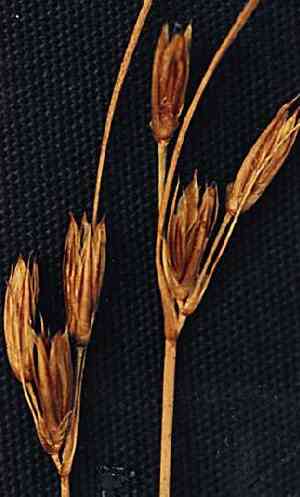
Parry's rush is effectively multiplied through division, a simple and efficient technique for this particular plant. Gently separate the root masses in early spring as the plant begins to show new development, making sure each segment possesses sufficient roots to establish on its own. Replant the separated portions promptly at their original depth, providing ample moisture and light conditions favorable for root formation. Consistent care after division will foster vigorous growth.
Optimal Time for Propagating Parry's Rush?
Propagation Method
Separation
Propagation Period
Spring,Autumn
Tools Utilized in Parry's Rush Propagation?
Sharp Knife or Garden Scissors
Crucial for cleanly separating the root masses of parry's rush. A keen edge ensures precise and neat cuts, minimizing harm to plant tissues. This boosts the likelihood of successful root regeneration and lowers disease risk.
Spade or Garden Fork
Employed for extracting parry's rush from the ground with minimal disruption to nearby plants. A spade or fork is suitable for digging around and beneath the root ball, ensuring a substantial portion of roots remains intact, which is vital for successful replanting.
Watering Can with a Fine Rose
Following division, parry's rush needs gentle watering to help settle the soil around the roots and eliminate air pockets. A watering can with a fine rose attachment provides soft and even water distribution, less likely to disturb newly planted divisions.
Rooting Hormone Powder
While not mandatory, applying rooting hormone to the cut sections of parry's rush's roots can enhance root development. This encourages faster establishment and improved growth after division.
Plant Labels and Marker
Helpful for identifying parry's rush divisions, especially when managing multiple specimens or various plant species. Labels aid in tracking growth progress and specific care needs post-propagation.
How to Propagate Parry's Rush?
Propagation Type
Simple
How to Care for Your Newly Propagated Parry's Rush?
How to Care for Your Newly Propagated Parry's Rush?
After propagation, parry's rush requires consistent moisture and should not be allowed to dry out, especially in arid conditions. Position the plant in an environment that mimics its natural habitat, typically full sun to partial shade. Minimal fertilization is necessary; excessive amounts can harm the plant. Monitor for pests or diseases and address them promptly to prevent spread. As a naturally resilient plant, parry's rush generally needs low maintenance once established.
Common Mistakes to Avoid When Propagating Parry's Rush
Excessive watering during root development
Providing too much water can lead to root rot in parry's rush, potentially hindering growth or killing young plants. This species thrives in well-drained soil.
Planting in overly rich soil
Using nutrient-dense soil can result in lush foliage at the expense of root and rhizome development, limiting the overall spread and vigor of parry's rush.
Improper division
Incorrectly splitting the root clusters of parry's rush can damage the plant. Unnecessary harm to roots during division can impede plant recovery and growth.
Tips For Propagating Parry's Rush
Use low fertility soil
Plant parry's rush in soil with low to moderate fertility to encourage stronger root development over foliage. This helps in establishing a robust plant.
Ensure adequate spacing
Allow sufficient space between new parry's rush plantings to prevent overcrowding and promote good air circulation, reducing the risk of fungal diseases.
Monitor water levels
Maintain moist but not waterlogged conditions. Adequate moisture is crucial, especially during the root establishment phase, without causing water stagnation.



