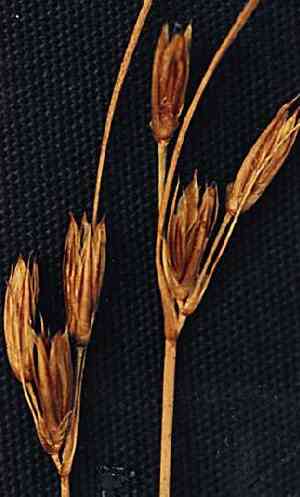
Parry's rush (Juncus parryi)
Also known as: Parry's rush
Parry's rush (Juncus parryi) is a perennial herb known for its slender, grass-like stems that grow in dense clumps. The plant typically reaches heights of 10 to 50 centimeters and features small, understated flowers. The bracts surrounding its flowers can range from deep red-brown to purple. It favors moist, well-drained soils and commonly inhabits subalpine and alpine meadows, stream banks, and rocky slopes in western North America. Adapted to high elevations, it thrives in cold, wet environments.
In This Article
Attributes of Parry's rush
Lifespan
Perennial
Plant Type
Grass
Plant Height
10 cm to 30 cm
Spread
N/A - Clump-forming habit without a defined crown
Leaf Color
Green
Flower Size
Small, less than 1 cm
Flower Color
Yellow Green Red Brown
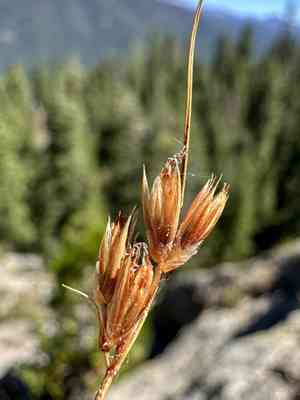
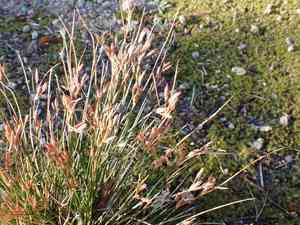
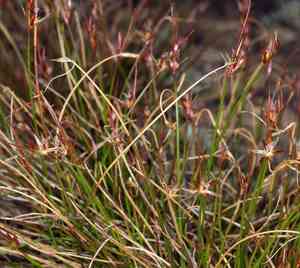
Images of Parry's rush

Quickly Identify Parry's rush
1
Juncus parryi can be identified by its dense clumps of cylindrical, unbranched stems that can grow up to 30 cm tall. The stems are typically green and have a slightly rough texture. The flowers are small, brown or greenish and are grouped in clusters at the tip of the stem.
Scientific Classification of Parry's rush
Phylum
Vascular plants
Class
Monocotyledons
Order
Poales
Family
Rush
Genus
Rushes
Species
Parry's rush
Planting and Growing of Parry's rush
Care Difficulty
Moderate
Watering Schedule
Every 2 days
Sunlight Requirements
Full sun
Sunshine Duration
4-8 hours
Ideal Temperature
50-70℉
Soil Type
Potting Mix, Peat Mix
Soil pH
6.5-7.5
Fertilizer Type
Balanced
Pruning Season
Spring, Summer
Pruning Area
Branches, Leaves
Pruning Frequency
2 times a year
Repotting Season
Spring
Pot Type
Plastic, Ceramic
 How to Water Parry's rush?
For Juncus parryi, the watering should be moderate. Allow the water to soak into the soil until it is evenly moist to a depth of about 5 cm. This amount helps ensure that the roots receive sufficient moisture without getting waterlogged.
What are the symptoms of an underwatered Parry's rush?
›
What should I do if my Parry's rush is not getting enough water?
›
What are the symptoms of an overwatered Parry's rush?
›
How to save an overwatered Parry's rush?
›
 What Are the Sunlight Requirements for Parry's rush?
Juncus parryi generally prospers in environments that offer full sun to partial sun. The ideal lighting encourages strong growth, boosts photosynthesis, and maintains optimal health.
What is the ideal light level for Juncus parryi?
›
How can I achieve this ideal lighting condition?
›
What are the benefits of providing ideal lighting?
›
 What Is the Ideal Temperature Range for Parry's rush?
The ideal temperature range for Juncus parryi is between 50°F and 70°F. This provides a stable environment that supports healthy growth and ensures the plant's metabolic processes function optimally. Maintaining this range helps prevent stress-related issues and promotes vigorous development.
 What Soil is Best for Parry's rush?
Juncus parryi thrives best in well-drained soil, which ensures that excess water flows away from the roots, preventing root rot. This type of soil helps the plant access adequate air and nutrients needed for growth. The soil should have good moisture retention to keep roots hydrated, especially during dry spells. This quality is pivotal in maintaining the vibrant green foliage characteristic of Juncus parryi. A soil enriched with nutrients supports healthier growth and vibrant plant vitality. This is crucial for the Juncus parryi as it fosters robust growth and resilience against environmental stressors.
 How to Fertilize Parry's rush?
For Juncus parryi, use a balanced, water-soluble liquid fertilizer diluted to half strength. Apply approximately 1 tablespoon per gallon of water. Ensure the soil is moist before application to avoid fertilizer burn.
 How to Prune Parry's rush?
Be cautious not to over-prune Juncus parryi, as removing too much foliage can stress the plant. Aim to cut no more than one-third of the plant’s total growth at any given time. This ensures the plant remains healthy and continues to photosynthesize effectively. Always sterilize your pruning tools before and after use to prevent the transmission of plant diseases. Use a mixture of one part bleach to nine parts water, or rubbing alcohol, to sanitize blades thoroughly. Let them dry before use.
More About Pruning Techniques→
 How to Propagate Parry's rush plant?
1
Gather seeds from mature plants in late summer or early autumn, ensuring they are dry and free from disease. Store them in a cool, dry place until ready to plant.
2
Prepare a seed-starting mix or choose a well-draining soil for division plantings. The soil should be moist but not soggy to prevent root rot.
3
Sow seeds on the surface of the soil and lightly cover them with a thin layer of substrate. For divisions, plant sections at the same depth they were growing before. Water lightly to maintain moisture.
 How to Repot Parry's rush plant?
1
Look out for signs like roots growing out of the drainage holes or soil that dries out too quickly. These indicate that it's time to repot your Juncus parryi for optimal health and growth.
2
Select a pot just one size larger than the current one with adequate drainage holes. This prevents overwatering and encourages healthy root growth, vital for Juncus parryi.
3
Opt for well-draining soil to prevent waterlogging, which Juncus parryi is sensitive to. A mix comprising sand, peat moss, and perlite ensures good aeration and drainage, fostering healthier growth.
Learn More About Parry's rush Diseases
Anthracnose
Bacterial Leaf Spot
Bacterial Soft Rot
Bacterial Wilt
Chemical Injury
Cyst Nematode
Damping-off
Downy Mildew
Drought Stress
Fusarium Wilt
Gray Mold
Leaf Spot
Mosaic
Nutrient Deficiency
Nutrient Toxicity
Powdery Mildew
Root Rot
Root-knot Nematode
Rusts
Sooty Mold
Spider Mites
Temperature Stress
Thrips Damage
White Mold



