How to Prune Parry's rush?
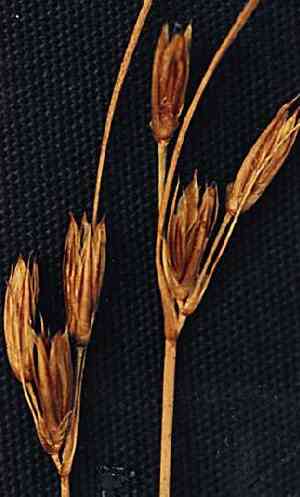
Distinguished by its clustered growth pattern, parry's rush greatly benefits from trimming to sustain its vitality and visual attractiveness. For peak health and to encourage thick development, perform pruning in early spring or winter prior to the appearance of new sprouts. During these periods, cut away deceased or injured stalks near the ground, making sure incisions are precise and keen to avoid harm. Consistent trimming not only preserves its form but also boosts the plant's capacity to flourish in its natural environments.
What Are the Benefits of Pruning Parry's Rush?
What Are the Benefits of Pruning Parry's Rush?
Trimming parry's rush encourages robust new development and aids in preserving its desired form. Consistent cutting prevents congestion, thereby fostering more robust, healthier plants.
What Is the Best Time for Pruning Parry's Rush?
What Is the Best Time for Pruning Parry's Rush?
Trimming parry's rush in early spring is advisable as this period precedes the surge in growth linked to the spring and summer months, enabling the plant to direct energy towards strengthening and developing new, unemerged growth. This timing assists in removing any dead or damaged material accumulated over winter without affecting new growth cycles. Winter pruning is also recommended when the plant is dormant. During this phase, reduced activity allows for easier structural management without stressing the plant, as sap flow and growth activities are minimal. This season is perfect for preparing parry's rush for upcoming growth by trimming before energy is diverted into spring development.
What Tools Do I Need to Prune Parry's Rush?
Sharp Scissors or Hand Pruners
Given the delicate, fine structure of parry's rush, sharp scissors or hand pruners are ideal. They enable precise cuts that minimize harm to the plant's slender stems.
Gardening Gloves
Parry's rush's habitat often involves moist conditions; wearing gardening gloves can shield hands from dampness and offer a better grip for intricate pruning tasks.
How to Prune Parry's Rush
Identify
Locate and evaluate any diseased or withered leaves on parry's rush. Look for signs of discoloration, wilting, or damage indicating poor health or age.
Sanitation
Sanitize your pruning tools before beginning to prevent disease transmission. Use a bleach solution or rubbing alcohol to effectively clean the blades.
Cutting technique
Employ sharp, clean scissors or pruning shears to remove unhealthy leaves. Cut at the leaf's base, close to the main stem of parry's rush, being careful not to harm healthier adjacent parts.
Disposal
Properly discard the removed leaves. Do not compost diseased material to ensure it does not cause stress or damage to parry's rush.
Monitor
Regularly observe parry's rush after pruning for any indications of new growth or further decline. Adjust care practices as needed to encourage healthy development.
Common Pruning Mistakes with Parry's Rush
Overpruning
Removing excessive foliage from parry's rush can stress the plant, leading to weak development and reduced vitality. It's crucial not to cut back more than one-third of the plant's total height or volume in a single pruning session.
Improper tool use
Using dull or dirty pruning tools can injure the stems of parry's rush, creating jagged cuts that are more vulnerable to disease. Always use sharp, clean shears or scissors.
Inadequate watering post-pruning
Failing to adequately water parry's rush after pruning can impede its recovery and growth. This species thrives with consistent moisture, especially after trimming.
Common Pruning Tips for Parry's Rush
Sharp tools
Ensure that pruning tools are sharp and clean to make precise cuts that heal quickly, thereby lowering the risk of disease.
Moderate pruning
Aim to prune no more than one-third of parry's rush at a time. This helps maintain the plant's strength and promotes healthier, more resilient growth.
Post-pruning care
After pruning parry's rush, provide sufficient water to aid the plant's recovery and re-establishment. Maintaining soil moisture without waterlogging is vital for the plant's recuperation.



