How to Transplant Pale rush?
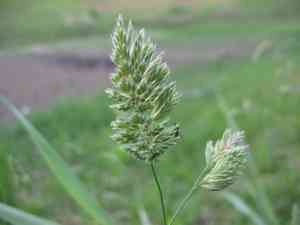
For pale rush, the ideal period for relocation spans from the end of spring through mid-summer, fostering vigorous development. Establish pale rush in a brightly lit, well-hydrated location, and if necessary, guarantee that its root system remains intact for a successful acclimatization.
Essential Preparations Before Relocating Pale Rush
Optimal Timing for Moving Pale Rush?
The best time to move pale rush is during the pleasant warmth of late spring through mid-summer. This period offers ideal growing conditions for pale rush, allowing ample time for root establishment before winter. Starting pale rush during these months maximizes their successful integration, promotes vigorous development, and boosts survival rates. By transplanting within this window, you provide pale rush with the best possible start in its new spot, thanks to consistent temperatures and extended daylight hours.
Recommended Spacing Between Pale Rush Plants?
When preparing for pale rush, ensure they have ample room! Position them approximately 6-12 inches (15-30 cm) apart. This provides each plant with sufficient space to thrive without competing for nutrients or sunlight.
Preferred Soil Mixture for Pale Rush Relocation?
For pale rush, consider a comfortable bed of well-draining soil, perhaps a loamy or sandy type. Before planting, incorporate some balanced slow-release fertilizer to give them a nourishing start!
Where to Replant Your Pale Rush?
Select a sunny location for your pale rush where they will receive abundant light, though a bit of afternoon shade can be beneficial. They are sun-lovers but appreciate a respite from intense midday rays!
Equipment Needed Before Transplanting Pale Rush
Gardening Gloves
To safeguard your hands while handling soil and plants.
Shovel or Trowel
For excavating the plant from its original spot and preparing the new planting hole.
Watering Can or Hose
To hydrate the plant before and after its relocation.
Pruning Shears
To trim any damaged or excessively long roots or foliage.
Wheelbarrow or Garden Cart
For transporting the plant and soil without harming the root ball.
Mulch
To help maintain soil moisture and suppress weed growth around the new planting site.
Stakes or Plant Supports
To stabilize pale rush if it is particularly tall or if the location is exposed to strong winds.
How to Extract Pale Rush from the Ground
How to Extract Pale Rush from the Soil?
From Ground: First, water the pale rush plant to moisten the soil, making it easier to remove the plant without damaging its roots. Then, dig a wide trench around the plant with a shovel or spade, being careful not to cut through the root ball. Gently work the tool beneath the root ball and lift the pale rush from its original position.From Pot: Water the pale rush to ensure the soil is damp. Tilt the pot to the side and gently tap it to loosen the soil. Grasp the base of the plant and carefully pull the pale rush out, keeping the soil and root structure as intact as possible.From Seedling Tray: Moisten the soil in the seedling tray. Use a trowel or a finger to gently push up from the bottom of the cell to lift the pale rush out. Be careful to avoid damaging the delicate roots and stem of the seedling.
Detailed Steps for Transplanting Pale Rush
Site Preparation
First, ensure the area where pale rush will be planted is free of weeds and debris. Loosen the soil to a depth of 6-8 inches to facilitate easy root establishment.
Hole Preparation
Dig a hole that is twice the width of the pale rush's root ball and of similar depth. This will provide ample space for the roots to spread out without being too confined.
Plant Positioning
Place pale rush in the center of the hole. Ensure the top of the root ball is level with the surrounding soil to prevent water from accumulating around the stem.
Backfilling
Gently refill the hole with the existing soil, being careful not to compact the soil too much around the roots. Create a shallow basin around the base for water to collect and seep down to the roots.
Stabilizing
If necessary, insert stakes at an angle, away from the root ball, and loosely tie pale rush to them for additional support.
Watering In
Water pale rush thoroughly after planting. This helps settle the soil and eliminate air pockets, ensuring good root-to-soil contact.
Mulching
Apply a layer of mulch around the base, keeping it a few inches away from the stem to help maintain soil moisture and temperature.
Post-Transplant Care for Pale Rush
Regular Watering
Pale rush will require consistent watering as it establishes in its new location, especially during dry periods. Monitor soil moisture and irrigate accordingly.
Staking Adjustments
Check any stakes or supports for tightness and adjust as pale rush grows to prevent stem damage.
Monitoring for Stress
Watch for signs of transplant shock, such as wilting, yellowing, or dropping leaves, and take appropriate action by providing shade or increasing watering as needed.
Pruning
If any branches or leaves were damaged during transplant, use pruning shears to trim them back to healthy growth, as this encourages pale rush to direct energy into establishing its root system.
Resolving Common Issues with Pale Rush Transplantation
Why is my pale rush struggling after transplanting?
Ensure you are transplanting during the optimal growth period, which is from late spring to midsummer, and provide them with ample spacing of 6-12 inches (15-30 cm).
How should I prepare the soil before transplanting pale rush?
Loosen the soil and incorporate compost to enhance drainage and fertility before transplanting.
What is the ideal depth for transplanting pale rush?
Transplant pale rush at the same depth it was previously growing, neither deeper nor shallower.
How frequently should I water pale rush after transplanting?
Water generously upon transplanting, then regularly to keep the soil moist until established.
Should I fertilize pale rush after transplanting?
Wait 4-6 weeks post-transplant before gradually introducing a balanced, slow-release fertilizer.
How can I identify if pale rush is experiencing transplant shock?
Indicators include wilting, yellowing, or dropping leaves. Minimize stress by ensuring adequate water and shade.
Can pale rush be transplanted during hot weather?
It is best to avoid transplanting during peak heat. Aim for a cooler day or evening.
What should I do if pale rush leaves turn brown after transplanting?
Brown leaves can signal stress; ensure proper watering, avoid direct sunlight, and check for pests.
Is pruning pale rush necessary during transplanting?
Minimal pruning to remove damaged parts can help reduce stress on pale rush during transplanting.
How do I protect pale rush from pests during transplanting?
Gently inspect and rinse the roots to remove pests, and use a natural pesticide if required.



