How to Prune Pale rush?
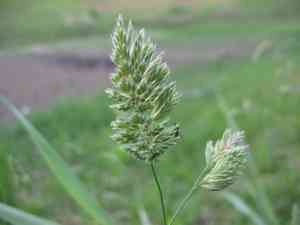
Pale rush, a vigorous, clump-forming perennial, flourishes in moist environments, showcasing its distinctive green to grayish-green leaves. Trimming is best performed in early spring or during winter to eliminate deceased or injured foliage and stimulate fresh development. Reduce the foliage to ground level, being cautious not to harm emerging sprouts. Regular trimming boosts the plant's strength, lowers the chance of illness, and preserves an appealing shape. Employ sanitized, keen implements to avert contamination and guarantee robust regeneration for pale rush.
Advantages of Trimming Pale Rush
Advantages of Trimming Pale Rush
Trimming pale rush encourages robust development and helps maintain its form, leading to a more attractive look. This vital practice also prevents the plant from becoming overly leggy or sparse.
Optimal Period for Pruning Pale Rush
Optimal Period for Pruning Pale Rush
The best time to prune pale rush is in early spring or winter. During these periods, the plant is typically inactive, meaning its growth and metabolic processes are minimal. Early spring pruning ensures the removal of any damaged or dead foliage before the growing season begins, which can enhance health and vigor as energy is redirected to new growth. Winter pruning, ideally before spring, allows gardeners to shape the plant without risking interference with new shoots or stressing the plant during active growth. Additionally, these times offer better visibility of the plant's structure, simplifying the identification of parts to trim. Since pale rush lacks a distinct flowering or fruiting cycle that would dictate pruning timing to promote these aspects, prioritizing plant health and preparation for the growing season is key.
Required Tools for Pruning Pale Rush
Sharp Bypass Pruners
These pruners are perfect for precisely cutting back dead or damaged foliage on pale rush due to their clean cutting action, which helps make neat cuts without crushing the plant's tough, spongy stems.
Long-Handled Loppers
For thicker and harder-to-reach stems of pale rush, long-handled loppers offer leverage and reach, essential for controlling the cut while preserving the plant's shape.
Gardening Gloves
Handling pale rush can be harsh on the hands due to its rigid stems, so durable gloves protect the gardener while providing a better grip on pruning tools.
How to Prune Pale Rush
Sanitize equipment
Sterilize pruning tools with alcohol or a bleach solution to prevent disease transmission when trimming pale rush.
Identify parts to trim
Inspect pale rush for diseased or withered leaves, as these are the sections that require pruning to maintain plant health.
Remove diseased leaves
Using sharp, clean shears, carefully cut any diseased leaves at their base where they connect to the main stem or shoot, taking care not to tear or harm surrounding healthy tissue.
Trim withered leaves
Similarly, remove withered leaves by cutting them at their base where they meet the stem or shoot, ensuring a clean cut to encourage healthy regrowth.
Discard trimmed materials
Dispose of all trimmed materials away from the garden to prevent the spread of potential diseases and deter pests.
Common Pruning Errors with Pale Rush
Excessive cutting
Removing too much foliage from pale rush can stress the plant, reduce its vitality, and lead to sparse growth. Gardeners should avoid drastic pruning and aim to remove only what is necessary.
Incorrect tool usage
Using dull or unsuitable tools can harm the stems of pale rush, potentially leading to disease. Clean, sharp, and appropriate tools are vital for precise cuts.
Removing healthy parts
Unnecessarily pruning healthy stems or rushes can impede pale rush's natural growth and aesthetic form. The focus should be on removing only damaged or dead material.
Neglecting tool cleanliness
Failing to disinfect tools between cuts and plants can spread disease to pale rush. It's important to clean pruning shears regularly.
Uniform pruning
Cutting all stems of pale rush to the same height can result in a less natural appearance. Varying stem lengths can lead to a more visually appealing and healthier plant.
Ignoring plant structure
Pruning without understanding the growth pattern and natural structure of pale rush might cause unsightly or unhealthy growth. Gardeners should observe the plant's form before pruning.
General Pruning Advice for Pale Rush
Focus on dead material
Direct pruning efforts towards removing dead or damaged stalks from pale rush, which will promote healthy growth and enhance the plant's appearance.
Appropriate cut length
When cutting stems, leave a few inches above the ground to encourage regrowth. Avoid cutting too close to the ground as this can harm the root crowns.
Vary cut heights
For a natural look, cut the stems of pale rush at different heights; this promotes a more lush and full regrowth.
Aesthetic pruning
Shape pale rush by selectively pruning to enhance its natural form rather than forcing it into an unnatural shape.
Tool selection
Use sharp, clean shears or scissors for pruning pale rush to ensure precise cuts and minimize the risk of plant stress or infection.
Clean work area
Keep the area around pale rush free of pruning debris to reduce the chances of disease and pests. Remove all cuttings from the garden.



