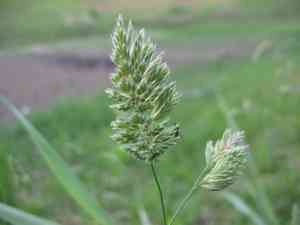
Pale rush (Juncus pallidus)
Also known as: Great soft-rush, Giant rush
Pale rush (Juncus pallidus) thrives in wet environments like swamps, making it effective at withstanding floods. This herb features tall flowering stems that can reach heights of up to 2 meters. Its lengthy stems are also utilized in cord production.
In This Article
Attributes of Pale rush
Lifespan
Perennial
Plant Type
Grass
Plant Height
1.4 m
Spread
50 cm
Leaf Color
Green
Flower Size
Small
Flower Color
Yellow Green
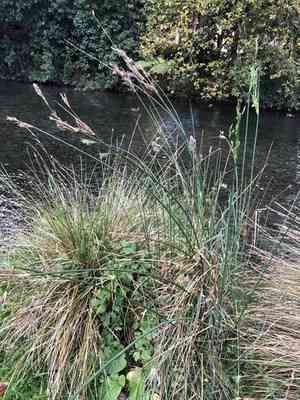
Images of Pale rush

Quickly Identify Pale rush
1
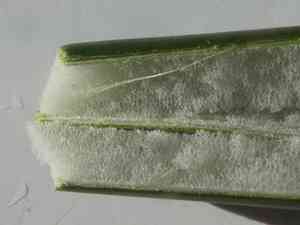
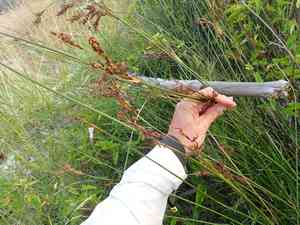
To identify Juncus pallidus, look for its tall, erect stems that can grow up to 1.5-2.5 meters high. The stems are typically smooth and cylindrical, with a greenish hue. Its leaves are narrow and tend to be less prominent. Additionally, observe the clustered flowers which are brownish and small, growing in tight clumps.
Scientific Classification of Pale rush
Phylum
Vascular plants
Class
Monocotyledons
Order
Poales
Family
Rush
Genus
Rushes
Species
Pale rush
Planting and Growing of Pale rush
Care Difficulty
Easy
Watering Schedule
Every 3 days
Sunlight Requirements
Full sun
Sunshine Duration
10-12 hours
Ideal Temperature
60-77℉
Soil Type
Potting Mix, Peat Mix
Soil pH
6-8
Fertilizer Type
Balanced
Pruning Season
Spring, Summer
Pruning Area
Branches, Leaves
Pruning Frequency
2 times a year
Repotting Season
Spring
Pot Type
Plastic, Ceramic
 How to Water Pale rush?
Juncus pallidus, commonly known as the pale rush, requires moderate watering. The soil should be drenched until moisture reaches the root level but should never be waterlogged. One should pour about 250ml of water per session, ensuring the soil remains consistently moist but not saturated. Ensure the pot has good drainage to avoid standing water.
What are the symptoms of an underwatered Pale rush?
›
What should I do if my Pale rush is not getting enough water?
›
What are the symptoms of an overwatered Pale rush?
›
How to save an overwatered Pale rush?
›
 What Are the Sunlight Requirements for Pale rush?
Juncus pallidus thrives in environments with full sun to partial sun, benefiting from 4-8 hours of light per day. This range supports optimal photosynthesis, ensuring robust growth and vibrant coloration in its foliage.
What is the optimal location for growing Juncus pallidus?
›
How can one ensure adequate sunlight exposure for Juncus pallidus?
›
Why is appropriate lighting crucial for Juncus pallidus's well-being?
›
 What Is the Ideal Temperature Range for Pale rush?
Temperatures between 60°F and 77°F provide optimal conditions for the growth of Juncus pallidus. During these conditions, the plant can efficiently perform physiological processes such as photosynthesis and respiration. In this range, the plant is neither stressed by excessive heat nor cold, promoting healthy growth and resilience against diseases.
 What Soil is Best for Pale rush?
Juncus pallidus thrives in soil that retains moisture well, as it naturally grows in wetland areas. Ensuring the soil retains water supports its lush growth and resilience against dry spells. This plant benefits from soil rich in nutrients, providing essential elements that promote healthy growth and vibrant green foliage. Nutrient-rich soil encourages robust root development and overall plant health. While Juncus pallidus prefers moist soil, good drainage is essential to prevent waterlogging, which can lead to root rot. Well-drained soil ensures the roots receive adequate oxygen and remain healthy.
 How to Fertilize Pale rush?
When it comes to fertilizing Juncus pallidus, it's important to keep things moderate. Over-fertilization can lead to excessive growth and a weak plant structure. Use a balanced, all-purpose fertilizer and apply at half the recommended strength for liquid fertilizers, around 1/2 teaspoon per gallon of water.
 How to Prune Pale rush?
Begin pruning from the base of the Juncus pallidus, carefully removing the outermost dead or damaged stems. Work your way upwards, ensuring that you maintain the plant's natural shape and vigor. When pruning, watch for new shoots emerging from the base. These should be kept intact as they represent the future growth of the plant and will soon contribute to its lushness and density.
More About Pruning Techniques→
 How to Propagate Pale rush plant?
1
Gather seeds from mature Juncus pallidus plants in late summer. Dry them thoroughly to prevent mold. Store the seeds in a cool, dry place if not planting immediately.
2
For division, select a healthy, established plant. Water the plant a day before dividing to soften the soil. Use the garden trowel to carefully lift and separate sections while ensuring each division has ample roots.
3
Plant seeds in a seed tray filled with a light, sandy soil mix. Cover lightly with soil and keep moist. For divisions, plant directly into prepared garden soil, ensuring roots are well-covered.
 How to Repot Pale rush plant?
1
Juncus pallidus shows signs for repotting when its roots begin to emerge from the drainage holes or become pot-bound, stunting its growth. The best time to repot is during its active growing seasons in spring or early summer, allowing the plant plenty of time to establish in its new pot before winter dormancy.
2
Select a pot that is one size larger than the current one and ensures good drainage to prevent root rot. Choose materials that offer breathability, like terracotta or ceramic. These materials encourage effective air circulation around the roots, promoting healthier growth and preventing waterlogging, which Juncus pallidus is prone to.
3
Opt for well-draining sandy loam soil, as it offers the right mix of water retention and drainage, essential for Juncus pallidus. This type of soil allows adequate air exchange around the roots, promoting healthier root development and minimizing the risk of water-induced stress or root diseases.



