How to Transplant Knotted rush?
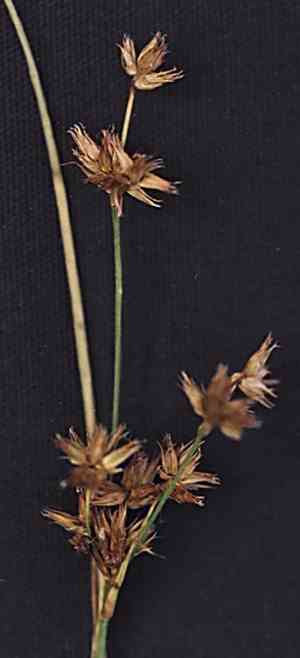
Knotted rush thrives when relocated between the beginning of early spring and the end of late spring, facilitating robust root development. Select a damp, adequately draining site that receives partial to ample sunlight. Apply a layer of mulch if needed to preserve soil humidity.
Necessary Preparations Before Moving Knotted Rush?
Optimal Period for Relocating Knotted Rush?
The most suitable time to move knotted rush, a perennial, is from the start of early spring until the close of late spring. During this interval, the ground warms, encouraging root development and growth, thereby lessening transplant stress. Early season relocation allows knotted rush to adapt and flourish, ensuring robust growth by summer.
Required Spacing Between Knotted Rush Plants?
To provide knotted rush ample room for development, position plants approximately 12-18 inches (30-45 cm) apart. This ensures proper air circulation and helps decrease disease risk.
Best Soil Mixture for Knotted Rush Relocation?
For peak growth, knotted rush prefers soil that drains well and is rich in organic material. Prepare the soil by incorporating a foundational fertilizer suitable for perennials. A balanced 10-10-10 fertilizer is an excellent option.
Where to Replant Your Knotted Rush?
Knotted rush flourishes in full sun to partial shade. Select a spot that receives at least 4-6 hours of daily sunlight. This will guarantee the plant obtains the necessary energy for strong, healthy growth.
Equipment to Prepare Before Transplanting Knotted Rush?
Gardening Gloves
To safeguard your hands while handling soil and the plant.
Spade or Shovel
For excavating the new planting site and digging around the plant to extract it from its original spot.
Hand Trowel
For more precise digging tasks and carefully managing the plant's roots.
Watering Can or Hose
To hydrate the plant before and after its relocation.
Garden Fork
To gently loosen the soil surrounding the roots.
Burlap or Plastic Sheet
To transport the plant if moving it a significant distance.
How to Extract Knotted Rush from the Ground?
How to Extract Knotted Rush from the Ground?
From Ground: First, moisten the knotted rush plant to dampen the soil. Next, dig a wide trench around the plant using a shovel or spade, ensuring the plant's root ball stays intact. Carefully work the spade beneath the root ball to lift the plant from its initial location.From Pot: Gently tap the pot's sides to loosen the soil. Invert the pot while carefully supporting the base of the knotted rush plant and slide it out. Cradle the root ball with your hand and set it aside with care.From Seedling Tray: Water the seedlings thoroughly an hour prior to transplanting. Use a hand trowel to gently lift each knotted rush plant from the tray. Ensure you retain as much soil around the roots as possible.
Step-by-Step Guide for Relocating Knotted Rush
Prepare the New Planting Area
Dig a hole twice as wide and as deep as the root ball of your knotted rush plant. This will provide ample space for the roots to expand.
Remove the Plant from Its Original Spot
Follow the appropriate procedure for extracting the knotted rush plant from the ground, pot, or seedling tray as detailed in the removal section.
Examine the Roots
Inspect the roots of the knotted rush plant for any damage. Trim any broken or excessively long roots with sterilized scissors.
Plant the knotted rush
Place the knotted rush plant into the hole, ensuring it stands upright and the top of the root ball is level with the ground. Backfill around the root ball with soil, pressing gently to remove air pockets.
Water Thoroughly
After planting, immediately water the knotted rush plant to help settle the soil around its roots.
Post-Transplant Care for Knotted Rush?
Watering
Keep the soil around the knotted rush consistently damp, but not waterlogged, for the initial few weeks after transplanting to aid in strong root establishment.
Mulching
Apply a layer of mulch around the base of the knotted rush plant to help retain moisture and stabilize soil temperature.
Monitoring
Regularly inspect the knotted rush plant for indications of stress or disease. Early detection can help resolve issues before they become severe.
Wind Protection
If the area is windy, consider staking the knotted rush plant or providing a windbreak to prevent it from being dislodged.
Resolving Common Issues with Knotted Rush Transplantation.
When is the best time to transplant knotted rush?
The ideal period to transplant knotted rush is from early spring to late spring.
What spacing should I maintain when transplanting knotted rush?
Space knotted rush plants 12-18 inches (30-46 cm) apart for optimal growth.
How should I prepare the soil for transplanting knotted rush?
Utilize well-draining soil enriched with organic matter to help knotted rush establish roots quickly.
How do I avoid transplant shock in knotted rush?
Water knotted rush thoroughly after transplanting and ensure consistent moisture to minimize transplant shock.
Can knotted rush tolerate full sun or shade?
Knotted rush thrives best in full sun but can tolerate partial shade.
How deep should I plant knotted rush when transplanting?
Plant knotted rush at the same depth it was growing previously to avoid stress.
What's the ideal soil pH for transplanting knotted rush?
Knotted rush prefers slightly acidic to neutral soil, with a pH of 6.0-7.0.
How can I ensure consistent moisture for knotted rush after transplanting?
Mulch around the base of knotted rush to retain moisture and reduce watering frequency.
Should I fertilize knotted rush when transplanting?
Incorporate a balanced fertilizer into the soil during transplanting to support initial growth.
How do I handle knotted rush roots during transplanting?
Handle knotted rush's roots gently and avoid damaging them to ensure successful transplanting.



