How to Propagate Knotted rush?
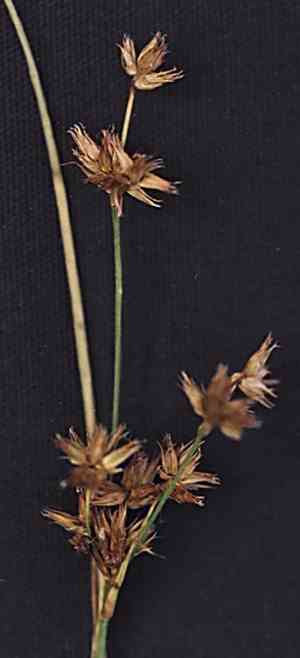
Juncus effusus, a perennial species, frequently thrives in damp environments. Successful propagation is best accomplished via separation. Make certain that clusters are meticulously separated, preserving root systems whole for peak development. Immediately transplant the separated sections into damp, adequately draining soil to foster their establishment. Consistent irrigation aids in robust root formation. This technique assists in sustaining the vitality and proliferation of Juncus effusus within cultivated areas. Consulting botanical references guarantees successful cultivation practices.
Optimal Period for Knotted Rush Propagation
Propagation Method
Splitting
Propagation Period
Spring,Autumn
Tools Required for Knotted Rush Propagation
Sharp Knife or Spade
Utilized for separating mature knotted rush clusters into smaller portions. A keen blade or spade ensures precise cuts, minimizing harm to the plant's root system, which is vital for successful propagation.
Hand Trowel
Crucial for excavating small holes to relocate divided sections of knotted rush. A hand trowel enables accurate placement of the smaller clumps in their new spot, ensuring they are set at the correct depth.
Rooting Hormone Powder
Aids in stimulating root development on the freshly separated knotted rush sections. This is especially beneficial if the root systems are weak or damaged during division, encouraging faster establishment.
Watering Can with Fine Rose
Delivers gentle irrigation for the newly planted knotted rush sections. A watering can with a fine rose guarantees that young plants receive water uniformly without compacting the soil or harming delicate roots.
Garden Gloves
Safeguard hands while separating and handling knotted rush. Garden gloves offer grip and prevent injuries from sharp implements or coarse plant material, ensuring secure and efficient work.
Labels and Marker
Helps monitor newly planted knotted rush sections. Labeling ensures that various clumps can be observed for growth and health, particularly useful in larger propagation efforts or when dealing with multiple plantings.
Compost or Organic Matter
Integrated into the soil to enhance its fertility and structure. Adding compost ensures that knotted rush receives adequate nutrients and retains moisture, fostering healthy growth after division.
Plant Tray or Containers
Used to temporarily hold divided sections if immediate transplanting is not possible. Containers ensure that knotted rush remains moist and protected, preventing root desiccation during the propagation process.
How to Propagate Knotted Rush?
Propagation Type
Simple
Post-Propagation Care for Knotted Rush
Post-Propagation Care for Knotted Rush
Following propagation, ensure the newly planted knotted rush is situated in an area with partial to full sun exposure. Maintain consistent moisture, but avoid waterlogging. Apply mulch around the base to retain moisture and suppress weeds. Monitor for pests and diseases, and provide additional water during dry spells to aid plant establishment. Regularly remove any dead or damaged foliage to promote vigorous growth.
Common Errors to Avoid When Propagating Knotted Rush
Overwatering
Excessive irrigation can lead to root rot, which severely impacts knotted rush's health and hinders its propagation.
Inadequate Soil
Utilizing soil that does not retain the appropriate amount of moisture or lacks proper drainage can negatively affect root development and plant vitality.
Too Much Sun
Knotted rush prefers partial shade; direct, intense sunlight can cause the plant to dry out.
Lack of Division
Failing to divide the knotted rush clumps during propagation can result in overcrowding, impeding healthy growth.
Incorrect Planting Depth
Planting knotted rush too deeply can suffocate the roots, while planting too shallowly can leave the roots exposed and vulnerable to damage.
Advice for Propagating Knotted Rush
Moderate Watering
Ensure the soil is consistently moist but not waterlogged; proper moisture levels are crucial for root health.
Use Suitable Soil
Opt for soil that has good moisture retention capabilities but also drains well, such as a mix of loamy or sandy soil.
Partial Shade
Position knotted rush in a location that receives partial shade to avoid excessive dryness from direct sun exposure.
Regular Clump Division
Periodically divide the clumps of knotted rush to prevent overcrowding and promote vigorous growth.
Proper Planting Depth
Plant knotted rush at a depth where the roots are covered but the crown is just below the surface to prevent root suffocation and exposure.



