How to Prune Knotted rush?
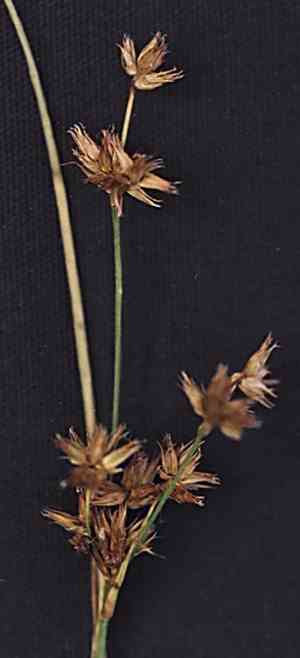
Juncus effusus, a unique rush, features distinctive jointed segments. The most effective time for trimming Juncus effusus is during the initial part of spring or throughout winter. Cut back any lifeless or compromised stalks to the soil line, prioritizing the reduction of density and enhancement of airflow. Consistent trimming aids in preserving the plant's well-being and stimulates vigorous development. Utilizing sanitized, keen implements is crucial for averting illness. Pruning additionally contributes to the visual attractiveness of Juncus effusus, guaranteeing a neat and managed look in horticultural environments.
Why Prune Knotted Rush?
Why Prune Knotted Rush?
Knotted rush benefits from trimming to promote vigorous growth and maintain its form by eliminating dead or diseased parts, enhancing air circulation, and stimulating new, healthy development. Pruning helps preserve its visual appeal and ensures strong, resilient progress.
When Is the Best Time to Prune Knotted Rush?
When Is the Best Time to Prune Knotted Rush?
Knotted rush should be trimmed in early spring or winter to align with its growth cycle and dormant periods. Pruning in early spring allows the plant to direct energy towards new growth and recovery before the active growing season. Winter pruning is ideal as the plant is dormant, reducing stress and minimizing disease risk. These times also help avoid disrupting its flowering or fruiting, ensuring the plant stays healthy and robust.
What Tools Are Needed to Prune Knotted Rush?
Hand Pruners
Perfect for cutting back dead or damaged stems of knotted rush. Hand pruners offer precision and ease of use.
Long-Handled Pruners
Useful for reaching into the center of dense knotted rush clumps without harming surrounding stems. Long-handled pruners provide leverage and accessibility.
Shears or Scissors
Excellent for trimming and shaping knotted rush due to their ability to make clean, even cuts on delicate stems.
How to Prune Knotted Rush
Inspection
Carefully examine knotted rush to identify any diseased or withered leaves, noting signs of discoloration, wilting, or decay.
Preparation
Gather necessary tools such as sharp pruning shears and disinfectant wipes. Clean the shears thoroughly before starting to prevent disease spread.
Diseased Leaves Removal
Gently cut away any diseased leaves at their base where they meet healthy stems. Ensure proper disposal to prevent contamination.
Withered Leaves Removal
Trim withered leaves by cutting them as close to the base as possible, being careful not to damage healthy plant parts.
Clean-Up
After pruning, clear away any debris from the base of knotted rush to maintain a clean growing environment and reduce disease risk.
Common Pruning Errors with Knotted Rush
Over-pruning
Removing too many stems or foliage at once can stress knotted rush, hindering its growth and potentially causing harm.
Improper tool use
Using dull or unsuitable tools can lead to jagged cuts, increasing the risk of disease and pests.
Cutting too close to the base
Pruning too close to the ground level can impair knotted rush's ability to rejuvenate, leaving the plant vulnerable and weak.
Ignoring dead or damaged stems
Failing to remove dead or damaged stems can lead to disease spread and impact overall plant health.
General Pruning Advice for Knotted Rush
Use sharp, clean tools
Always use sharp and sterilized tools to ensure clean cuts and minimize infection risk.
Remove dead stems first
Begin by pruning dead or damaged stems to encourage healthy growth and prevent disease spread.
Leave enough foliage
Ensure sufficient foliage remains for photosynthesis, which is crucial for the plant's energy production and growth.
Cut just above a node
Make cuts just above a node to promote new growth and maintain the plant’s natural shape.



