How to Transplant Sea rush?
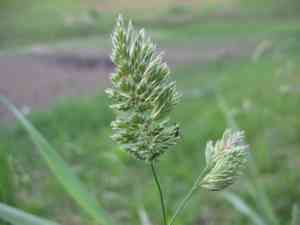
For Juncus maritimus, the ideal period for transplanting is from late spring to mid-summer, a warm interval that fosters vigorous development. Select a location featuring damp, adequately draining earth and limited direct sun exposure. This schedule enables Juncus maritimus to take root under moderate temperatures, which is crucial for its enduring health.
What Preparations are Needed Before Transplanting Sea Rush?
What is the Ideal Time for Transplanting Sea Rush?
The best time to move sea rush is during its active growth phase, from late spring through midsummer. This period aligns with the plant's natural development, allowing it to settle into its new spot under favorable conditions. Taking advantage of this timing gives the young sea rush plenty of opportunity to establish deep roots and flourish, supported by the long, warm days that promote strong growth and resilience. So, when nature is vibrant and energetic, it's the perfect moment to carefully place sea rush in its new home.
How Much Space Should You Leave Between Sea Rush Plants?
Before relocating sea rush, ensure each plant has ample room to grow. Position them approximately 6-12 inches (15-30 cm) apart. This spacing allows their root systems to expand and prevents overcrowding, fostering a healthy and thriving environment for your new plants!
What is the Best Soil Mix for Sea Rush Transplanting?
For sea rush, I recommend preparing a soil bed rich in organic material with good drainage. Before planting, incorporate a balanced slow-release fertilizer to give your plants a robust start. An ideal pH range is between 6.5 and 7.5, so consider testing your soil's pH and adjusting as needed.
Where Should You Relocate Your Sea Rush?
Select a sunny location for your sea rush, as they flourish with abundant natural light! Find a spot that receives full sunlight for at least 6 hours daily. This will ensure sea rush has the necessary energy to grow strong and healthy. Enjoy watching them develop!
What Equipments Should You Prepare Before Transplantation Sea Rush?
Gardening Gloves
To safeguard your hands while handling soil and plants.
Shovel or Spade
To excavate the plant and prepare the new site.
Watering Can or Hose
To hydrate the plant before and after the relocation process.
Wheelbarrow
To transport the sea rush to its new position, if required.
Pruning Shears
To trim any damaged roots or foliage.
Garden Trowel
For lifting smaller plants and refining the planting hole.
Mulch
To help retain soil moisture and reduce weed growth around the new planting site.
How Do You Remove Sea Rush from the Soil?
How Do You Remove Sea Rush from the Soil?
From Ground: First, moisten the sea rush plant's soil. Then, dig a wide trench around the plant using a shovel or spade, ensuring the root ball remains intact. Carefully work the spade beneath the root ball to lift the plant from its original spot.From Pot: Start by watering the soil to facilitate easier removal of the sea rush. Turn the pot on its side and gently tap it to loosen the root ball. Carefully pull on the base of the stems or invert the pot to slide the plant out.From Seedling Tray: Water the seedlings to ensure the soil is damp. Use a garden trowel or your fingers to gently lift the sea rush seedling from its individual cell in the tray. Support the seedling by its root ball to minimize stress on the stems and leaves.
Step-by-Step Guide for Transplanting Sea Rush
Preparation
Ensure you've selected an appropriate day for transplanting when weather conditions are mild.
Hole Digging
Excavate a hole in the ground that is twice the width and the same depth as the sea rush's root ball.
Placement
Position the sea rush in the hole, spreading its roots outwards and ensuring it's set at the same depth it was previously growing.
Soil Refilling
Gently backfill around the plant with soil, lightly tamping it down as you go to eliminate air pockets.
Watering
After planting, thoroughly water the sea rush to settle the soil and provide hydration for the roots.
Mulching
Apply a layer of mulch around the sea rush to conserve moisture and reduce weed competition, keeping mulch away from the plant's stem.
How Do You Care For Sea Rush After Transplanting?
Monitoring
Regularly check the sea rush for signs of transplant shock, such as wilting or browning leaves, and address any issues promptly to ensure successful establishment in its new location.
Stabilizing
Provide support for the sea rush if it appears unstable in its new spot, using stakes or ties if necessary, but ensure they are not too tight.
Pruning
Trim off any damaged or dead leaves and stems to help the sea rush direct its energy towards root and new growth development.
Follow-up Watering
Water the sea rush consistently until it becomes established, which may take a growing season or more, depending on local conditions and climate.
Troubleshooting Common Issues with Sea Rush Transplantation.
What's the best time to transplant sea rush for optimal growth?
The ideal transplanting period for sea rush is late spring to midsummer when the weather is temperate.
How far apart should I space sea rush when transplanting?
For adequate growth space, position sea rush approximately 6-12 inches (15-30 cm) apart.
Why are my sea rush seedlings wilting after transplanting?
Wilting can result from insufficient watering or transplant shock. Keep the soil moist and initially avoid direct sun.
How deep should the hole be for transplanting sea rush?
Dig a hole that is twice the width and the same depth as the sea rush's root ball.
Can I transplant sea rush during a hot day?
It's best to choose a cooler, overcast day for transplanting sea rush to minimize shock and water loss.
What should I do if my sea rush doesn't thrive post-transplant?
Ensure sea rush receives sufficient moisture and check for soil compatibility. If problems persist, adjust sunlight exposure or consult an expert.
Do I need to amend the soil when transplanting sea rush?
Incorporating some compost or well-rotted manure can help sea rush establish in its new location.
How much should I water sea rush after transplanting?
Water thoroughly after transplanting and maintain consistently moist soil for the initial few weeks.
Should I use fertilizer immediately after transplanting sea rush?
Wait 4-6 weeks before applying a balanced fertilizer, allowing sea rush to acclimate to its new environment.
My sea rush looks stressed, should I prune it back?
Pruning stressed sea rush immediately after transplanting is not recommended. Allow time for recovery and only prune if essential for plant health.



