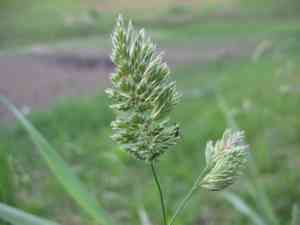
Sea rush (Juncus maritimus)
Also known as: Seaside rush
The plant typically grows to a height ranging from 30 to 120 cm. It features a robust, creeping rhizome and tends to form dense clusters of pollen, with its stems often arranged in orderly rows.
In This Article
Attributes of Sea rush
Lifespan
Perennial
Plant Type
Grass
Plant Height
90 cm
Spread
50 cm
Leaf Color
Green
Flower Size
Small, typically less than 1 cm
Flower Color
Green Yellow Brown
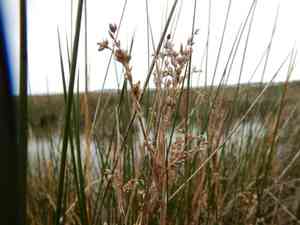
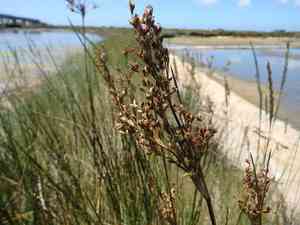
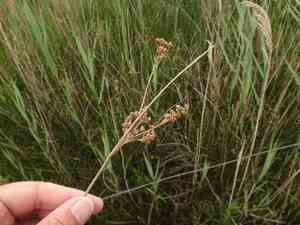
Images of Sea rush

Quickly Identify Sea rush
1
Juncus maritimus can be identified by its cylindrical, hollow stems, which can grow up to 1.5 meters tall. The plant has stiff, pointed leaves and inflorescences that are branched and transparent.
Scientific Classification of Sea rush
Phylum
Vascular plants
Class
Monocotyledons
Order
Poales
Family
Rush
Genus
Rushes
Species
Sea rush
Planting and Growing of Sea rush
Care Difficulty
Easy
Watering Schedule
Every 2 days
Sunlight Requirements
Full sun
Sunshine Duration
6-10 hours
Ideal Temperature
59-77℉
Soil Type
Potting Mix, Peat Mix
Soil pH
6.5-7.5
Fertilizer Type
Balanced
Pruning Season
Spring, Summer
Pruning Area
Branches, Leaves
Pruning Frequency
2 times a year
Repotting Season
Spring
Pot Type
Ceramic, Plastic
 How to Water Sea rush?
Juncus maritimus thrives in moist soil, mimicking its natural marshy habitat. Water should be applied generously each time, ensuring that the soil is saturated up to 500 ml per plant. This ensures that the moisture reaches the plant's roots effectively, maintaining a consistent level of wetness without waterlogging.
What are the symptoms of an underwatered Sea rush?
›
What should I do if my Sea rush is not getting enough water?
›
What are the symptoms of an overwatered Sea rush?
›
How to save an overwatered Sea rush?
›
 What Are the Sunlight Requirements for Sea rush?
Juncus maritimus ideally requires full sun to partial sun exposure, translating to about six to ten hours of sunlight daily. Such light conditions support robust growth, structural integrity, and vibrant foliage.
More About Sunlight Requirements Techniques→
What is the optimal sunlight condition for Juncus maritimus?
›
How to achieve ideal light conditions for Juncus maritimus?
›
What are the benefits of ideal lighting for Juncus maritimus?
›
 What Is the Ideal Temperature Range for Sea rush?
The ideal temperature range for Juncus maritimus, or sea rush, is between 59°F and 77°F. In this range, the plant thrives, showing optimal growth and vitality. The moderate temperature supports active metabolic processes, enabling robust photosynthesis and nutrient uptake essential for plant health.
 What Soil is Best for Sea rush?
Juncus maritimus thrives in well-drained soils to prevent waterlogging, which can be detrimental to its root system. Good drainage allows the roots to access oxygen and avoid rot, promoting healthy growth. While not demanding, Juncus maritimus benefits from soils with moderate nutrient content, providing essential minerals and promoting vigorous growth. Overly rich soils can lead to excessive leaf growth at the expense of longevity and structural integrity. Consistent soil moisture is vital for Juncus maritimus, as it naturally occurs in marshy or edge-of-water settings. Ensuring a steady supply of water mimics its natural habitat and supports optimal shoot and leaf development.
 How to Fertilize Sea rush?
Juncus maritimus thrives best with moderate fertilizer application. When using liquid fertilizer, aim for a concentration ratio of 1:4 with water to prevent root burn. For slow-release pellets, a modest sprinkle should suffice, ensuring the coverage is even throughout the plant's soil base.
 How to Prune Sea rush?
Begin by removing any dead or damaged stems by cutting them back to the base. Focus on removing the oldest stems to improve air circulation and light penetration to the center of the plant. Cut back any overgrown sections that make the plant look unkempt. For a more tidy appearance, you can shape the plant by trimming around its natural contours, maintaining a bushy and balanced appearance. After pruning, water the plant well to help it recover and support new growth. Monitor for pests or disease regularly to ensure your plant remains healthy and vibrant.
More About Pruning Techniques→
 How to Propagate Sea rush plant?
1
Fill the seed tray with a well-draining potting mix suitable for marsh plants. Make sure to moisten the substrate adequately before sowing the seeds.
2
Scatter the seeds evenly over the surface of the prepared tray and cover lightly with a thin layer of soil. Mist the soil gently to ensure even moisture.
3
Carefully lift up the plant and separate the clumps using a sharp knife or secateurs. Ensure that each division has a good amount of roots and at least one growing shoot.
 How to Repot Sea rush plant?
1
Juncus maritimus should be repotted when you notice roots growing out of the drainage holes or the plant seems too crowded in its current pot. It is best done in spring or summer when the plant is actively growing and can quickly establish in the new pot.
2
Choose a pot that is one size larger than the current one, with good drainage holes. This ensures proper water flow and avoids waterlogging, which is essential for maintaining the health of Juncus maritimus.
3
Select a moist, well-draining soil mix. A blend that retains enough moisture while allowing excess water to drain reduces the risk of root rot, supporting the plant's health.



