How to Prune Sea rush?
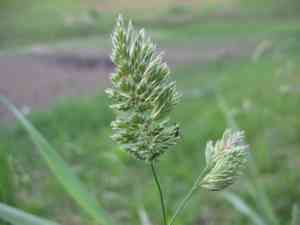
Perfect for seaside regions, sea rush is a resilient perennial featuring tough, grass-like leaves. To foster robust development, trim back withered foliage and spent floral stalks in late winter or early spring. This trimming practice enhances air movement, deters ailments, and preserves an appealing form. Remove any lifeless or compromised stems at their base to encourage fresh development. Strategic pruning guarantees sea rush stays strong and visually appealing, aiding in the stability of coastal ecosystems.
What Are the Benefits of Pruning Sea Rush?
What Are the Benefits of Pruning Sea Rush?
Trimming sea rush promotes robust, strong development and assists in maintaining its desired form, ensuring the plant stays appealing and manageable in garden or wetland environments.
What Is the Best Time for Pruning Sea Rush?
What Is the Best Time for Pruning Sea Rush?
For sea rush, pruning in early spring aligns with preparing for the growth period, allowing removal of old growth before new shoots appear, thus not impacting the season's development. Winter is also advisable as sea rush's growth is slower, enabling recovery without stress before spring. Pruning during these times ensures the plant's health and vigor, and readies it for a productive growing season.
What Tools Do I Need to Prune Sea Rush?
Sharp Hand Pruners
Perfect for making precise cuts on sea rush's relatively slender and flexible stems, minimizing harm to the plant's tissues.
Long-Handled Loppers
These provide leverage for cutting thicker or denser clusters of sea rush without needing to bend, which can lessen back strain during extensive trimming.
Gardening Gloves
Shield hands from the rough and potentially irritating texture of sea rush's foliage and offer a better grip on pruning implements.
Pruning Saw
For mature or woody sea rush stems that might be too thick for hand pruners, a saw can make clean cuts without harming the plant or the gardener's hands.
How to Prune Sea Rush
Clean tools
Before beginning, ensure all pruning tools are clean and sharp to prevent disease transmission when cutting sea rush.
Identify
Examine sea rush to pinpoint diseased and withered leaves. Look for discoloration, spots, or any signs of decay as indicators of unhealthy foliage.
Isolate
Separate the diseased and withered leaves from the healthy ones to avoid damaging the latter during the pruning process.
Cut
Carefully snip the identified diseased and withered leaves at their base, close to the ground without harming adjacent healthy leaves or stems.
Dispose
After pruning, discard the diseased and withered leaves away from sea rush and other plants to prevent the spread of any potential pathogens.
Common Pruning Mistakes with Sea Rush
Over-pruning
Trimming excessively can harm sea rush, as it relies on its dense foliage for protection and photosynthesis. Maintain balance, removing only necessary dead or damaged parts.
Improper cutting technique
Using dull or dirty tools can cause jagged cuts susceptible to disease. Always use clean, sharp scissors or pruners, and cut at an angle to promote healing.
Neglecting dead foliage
Failing to remove dead or yellowing leaves can hinder sea rush's growth by impeding new shoots. Dead foliage should be regularly trimmed to keep the plant healthy.
Pruning for shape
Unlike some ornamental plants, sea rush does not require shaping. Overzealously attempting to shape it can result in an unnatural appearance and reduced vigor.
Common Pruning Tips for Sea Rush
Deadheading
While sea rush does not have conventional flowers, removing spent seed heads encourages new growth and can help maintain the plant's aesthetics.
Selective thinning
Sea rush benefits from thinning out older, clump-forming stems to allow air circulation, which reduces the risk of fungal diseases and encourages new growth.
Base-cutting
Cutting older stems at the base of the plant helps stimulate new shoots. Ensure that this is done sparingly to avoid stressing sea rush.
Post-flowering cleanup
Once sea rush has completed its growth cycle, trim back dead material to tidy up the plant and prevent self-sowing if not desired.



