How to Transplant Grassleaf rush?
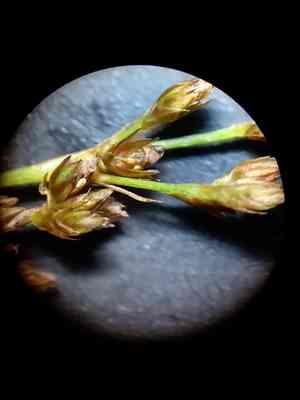
The most favorable period for relocating Juncus ensifolius is amidst the mild temperatures of late spring or the commencement of early summer. Select a location featuring damp, adequately draining earth and contemplate positioning it in dappled sunlight. A helpful suggestion: guarantee steady soil hydration following transplantation for optimal rooting.
Essential Preparations Before Moving Grassleaf Rush
Optimal Timing for Relocating Grassleaf Rush
The ideal period to move grassleaf rush is in late spring, right after the last frost, when its growth is vigorous. This timing allows the roots to establish comfortably before the intense heat of summer. The mild temperatures and sufficient rainfall of this season create a supportive environment for grassleaf rush to flourish after being transplanted. It's the perfect moment to give grassleaf rush a new home, enhancing your garden with its lasting beauty.
Recommended Spacing Between Grassleaf Rush Plants
Hello, gardener! When arranging grassleaf rush in their new spot, aim for a comfortable distance of approximately 10-15 inches (25-38 cm) between each plant. This provides ample room for them to grow without becoming overcrowded.
Ideal Soil Mixture for Grassleaf Rush Transplantation
For grassleaf rush, envision a cozy bed of well-draining, nutrient-rich soil. Incorporating a balanced, slow-release fertilizer will give them an excellent start. Simply apply it according to the package directions before planting.
Selecting a New Location for Your Grassleaf Rush
Sunlight is crucial for a thriving grassleaf rush. Choose a location where they can receive gentle morning or late afternoon sun. A spot with partial sun (around 4-6 hours of sunlight daily) is perfectly suited for these lovely plants.
Equipment Needed Before Transplanting Grassleaf Rush
Gardening Gloves
To safeguard your hands while handling soil and plants.
Shovel or Spade
For excavating the plant and preparing the new planting site.
Watering Can or Hose
To hydrate the grassleaf rush both before and after the move.
Pruning Shears
To trim any damaged roots or foliage prior to replanting.
Wheelbarrow or Garden Cart
For transporting the grassleaf rush and soil efficiently.
Mulch
To help maintain soil moisture and regulate temperature around the newly planted area.
How to Extract Grassleaf Rush from Its Current Location
How to Extract Grassleaf Rush from Its Current Location
From Ground: Water the grassleaf rush the day before to ensure the soil is moist and easier to manage. Using a shovel or spade, dig around the plant's perimeter, being careful to stay several inches from the base to avoid damaging the root ball. Gently pry the spade underneath and lift the plant from the soil.From Pot: Water the grassleaf rush and allow it to drain before beginning. Turn the pot sideways, hold the plant by its base, and tap the bottom to dislodge the grassleaf rush from the container. If the plant is stubborn, slide a knife along the inner edge to help separate the roots from the pot.From Seedling Tray: Water the seedlings thoroughly before transplanting. Use a spoon or a small tool to carefully lift each seedling by its roots, handling the delicate plants by their leaves to prevent damage.
Step-by-Step Guide for Transplanting Grassleaf Rush
Preparation
Water the grassleaf rush thoroughly the day before transplanting to minimize stress and facilitate removal.
Removal from Original Location
Dig a wide circle around the grassleaf rush if it's in the ground, or carefully remove it from its pot or seedling tray if not ground-planted.
Transport
Use a wheelbarrow or garden cart to move the grassleaf rush to the new site, keeping the root ball intact and moist.
Digging the New Hole
Excavate a hole in the new spot that is twice the width of the root ball and the same depth as the plant's previous growing level.
Placing the Plant
Position the grassleaf rush in the center of the hole, spreading its roots and ensuring the plant's base is level with the surrounding soil.
Backfilling
Refill the hole with soil, gently firming it down without excessive compaction, and water generously.
Add Mulch
Apply a layer of mulch around the planting area to help retain moisture and stabilize soil temperature.
Post-Transplant Care for Grassleaf Rush
Initial Watering
Water the grassleaf rush thoroughly after transplanting to settle the soil and provide essential hydration.
Regular Monitoring
Check on the grassleaf rush frequently for signs of water stress and provide additional water as needed, especially during dry spells.
Root Establishment
Avoid disturbing the soil around the grassleaf rush for several weeks to allow roots to establish, but watch for weeds that might compete for resources.
Mulching
Replenish or add mulch as necessary to maintain soil moisture and reduce temperature fluctuations.
Addressing Common Issues During Grassleaf Rush Transplantation
What is the best season to transplant grassleaf rush?
For successful establishment, move grassleaf rush during its peak growing season, typically from mid-spring to early summer.
How much space should I leave between grassleaf rush plants?
Space grassleaf rush approximately 10-15 inches (25-38 cm) apart. This provides ample room for growth and air circulation.
Why are my grassleaf rush plants wilting after transplanting?
Wilting may indicate transplant shock. Keep the soil moist and provide shade. They should recover within a week if conditions are stable.
Can I transplant grassleaf rush during the autumn?
It's preferable to transplant grassleaf rush in warmer months. Autumn transplantation risks cold damage before they are fully established.
How deep should the planting hole be for grassleaf rush?
Dig a hole as deep as the root ball and twice as wide, to encourage proper root spread.
Is it normal for grassleaf rush to appear unhealthy after transplant?
Some initial stress is normal. Ensure proper care, and grassleaf rush should rebound as it adapts.
Should I fertilize grassleaf rush after transplanting?
Wait a few weeks post-transplant before fertilizing to avoid overwhelming the grassleaf rush as they establish.
My grassleaf rush isn't growing after transplant. What should I do?
Ensure it's not planted too deeply, receives adequate sunlight, and gets sufficient water. Patience is crucial!
How much should I water grassleaf rush after transplanting?
Keep the soil consistently moist but not waterlogged for the initial weeks following transplantation.
What type of soil is ideal for transplanting grassleaf rush?
Use well-draining soil enriched with organic matter to provide the best start for your grassleaf rush.



