How to Prune Grassleaf rush?
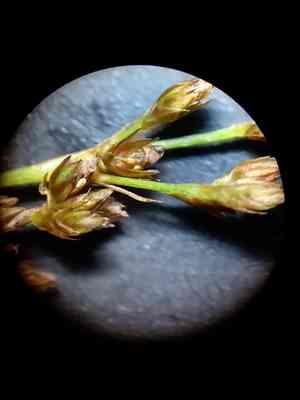
Distinguished by its rigid, blade-like foliage, grassleaf rush benefits from periodic trimming to preserve its vitality and appearance. Essential pruning tasks include eliminating deceased or injured leaves and separating congested clusters. The most suitable period for this is in early spring or winter, when the plant is inactive, to prevent imposing stress during its active development stages. Trimming can improve air movement, lower the likelihood of disease, and stimulate more energetic growth, guaranteeing that grassleaf rush stays strong and attractive.
Advantages of Trimming Grassleaf Rush
Advantages of Trimming Grassleaf Rush
Trimming grassleaf rush promotes robust development and preserves its desired form. Strategic cuts enhance plant vitality and stimulate new growth, ensuring grassleaf rush remains appealing and flourishes in its habitat.
Optimal Period for Trimming Grassleaf Rush
Optimal Period for Trimming Grassleaf Rush
Trimming grassleaf rush in early spring is perfect as it prepares the plant for the vigorous growth occurring in spring and summer. Removing dead or damaged leaves at this time clears the way for new growth and can boost the plant's overall health and look. It also helps maintain the plant's shape and prevents it from becoming too dense, which can impact its growth. Winter is another suitable time for trimming grassleaf rush, as the plant is dormant. During this phase, the plant's growth slows, and it is less prone to stress from trimming. Winter trimming also minimizes disease and pest risk, as these issues are less active in colder conditions. Plus, without foliage, it's easier to see the plant's structure and make more precise cuts.
Tools Required for Trimming Grassleaf Rush
Hand Pruners
These are perfect for shaping and trimming grassleaf rush without causing unnecessary harm to the plant's delicate stems.
Garden Scissors
These can be utilized for more precise cuts, especially when reducing crowded areas or deadheading spent blooms.
Long-Handled Loppers
For mature grassleaf rush plants with thicker stems, loppers will provide the necessary leverage for clean cuts without straining the gardener.
How to Trim Grassleaf Rush
Clean tools
Before trimming grassleaf rush, ensure your pruning tools are clean to prevent disease spread. Disinfect shears or scissors with a 1:9 bleach-to-water solution.
Identify disease
Thoroughly inspect grassleaf rush to pinpoint diseased leaves. Signs of illness may include discoloration, spots, or decay.
Cut diseased leaves
Using your disinfected tools, carefully snip away diseased leaves at their base where they meet the stem or soil, avoiding healthy tissue to prevent infection.
Identify withered leaves
Look for shriveled or brown leaves, as these are old or damaged and can be removed to enhance grassleaf rush's growth and appearance.
Remove withered leaves
Cut the withered leaves at the base using clean, disinfected scissors or shears, ensuring a clean cut without tearing to maintain grassleaf rush's health.
Common Trimming Errors with Grassleaf Rush
Excessive trimming
Removing too much foliage from grassleaf rush can weaken the plant, diminish its vigor, and potentially lead to its demise.
Incorrect technique
Using dull or dirty tools can damage grassleaf rush stems, making them vulnerable to disease and pests.
Ignoring dead material
Failure to remove dead or diseased foliage can impede grassleaf rush's growth, as it can drain energy from the plant and attract pests.
Lack of selectivity
Indiscriminate cutting without considering grassleaf rush's natural shape may result in an unappealing look and reduced plant health.
General Trimming Advice for Grassleaf Rush
Use clean tools
Always use sharp, clean pruning shears to make precise cuts on grassleaf rush, promoting quick healing and preventing disease spread.
Selective trimming
When trimming grassleaf rush, selectively remove only dead, damaged, or diseased foliage to preserve the plant's natural form and vitality.
Thin out
Thinning the center of grassleaf rush allows for better air circulation and light penetration, fostering healthy growth.
Trim to base
Cut the spent foliage of grassleaf rush back to the base, ensuring the cut is made just above the crown to support new growth.



