The Grassleaf rush Plant Advantage: Maximizing Home and Office Appeal and Wellness
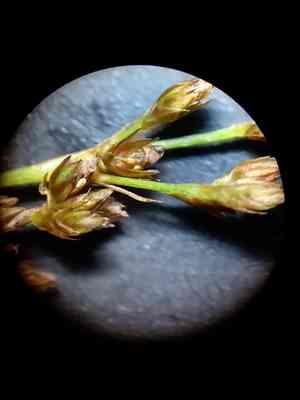
1
Excellent for preventing soil loss.
2
Offers refuge and sustenance for native fauna.
3
Flourishes in damp, boggy areas, ideal for aquatic landscapes.
Why is Grassleaf rush Important for Erosion Control?
Root System Characteristics
A primary advantage of Grassleaf rush is its extensive root network. These roots help stabilize soil, significantly reducing erosion, especially in areas prone to water flow. The intricate root structure binds the soil, ensuring it remains intact even during heavy rains or floods.
Performance in Various Environments
While Grassleaf rush primarily thrives in wet, marshy areas, its resilience in other habitats makes it an excellent choice for erosion control in diverse settings. Whether it's a natural wetland, a man-made pond, or a riverbank, Grassleaf rush effectively holds the soil, preventing land degradation.
How Does Grassleaf rush Support Local Wildlife?
Habitat for Aquatic and Terrestrial Species
The presence of Grassleaf rush in an ecosystem can greatly improve habitat quality. For aquatic life, it offers essential cover and breeding grounds. Terrestrial species, including various birds and small mammals, also find refuge among its foliage, thereby boosting biodiversity.
Source of Nutrition
Beyond shelter, Grassleaf rush provides nutritional benefits to wildlife. Certain insects and herbivores feed on the plant, contributing to the local food web. The plant's seeds are also a valuable food source for birds, especially during winter months.
What Are the Practical Uses of Grassleaf rush for Gardeners?
Ideal for Water Gardens and Ponds
Gardeners looking to enhance the aesthetic and functional value of their water gardens will find Grassleaf rush an excellent addition. Its tall, grass-like appearance adds an element of natural beauty. More importantly, its ability to thrive in wet conditions makes it perfect for pond edges and waterlogged garden areas.
Low Maintenance and Sustainability
Another remarkable benefit of Grassleaf rush is its low maintenance. Once established, it requires minimal care, making it an ideal plant for sustainable and easy-to-manage gardens. Its adaptability also means less reliance on fertilizers and pesticides, which aligns well with eco-friendly and organic gardening practices.
How Can Grassleaf rush Improve Wetland Ecosystems?
Water Filtration Properties
Wetlands are often referred to as nature's kidneys due to their ability to filter pollutants from water. Grassleaf rush enhances this function by trapping sediments and absorbing various contaminants through its extensive root system. This makes it invaluable for improving water quality in natural and constructed wetlands.
Contribution to Carbon Sequestration
Wetlands are also vital in the fight against climate change, and Grassleaf rush plays a significant role here as well. By contributing to the overall biomass of a wetland, Grassleaf rush aids in carbon sequestration â the process of capturing and storing atmospheric carbon dioxide. This helps mitigate the effects of global warming and contributes to a healthier planet.
What Are the Growth Requirements for Grassleaf rush?
Soil and Water Preferences
For optimal growth, Grassleaf rush prefers wet, mucky soils and a substantial amount of water. It can grow in both freshwater and slightly brackish environments, making it versatile for various wetland conditions. However, it thrives best when it can access consistent moisture levels.
Sunlight and Temperature Tolerance
In terms of sunlight, Grassleaf rush can adapt to full sunlight or partial shade, though it generally prefers full sun for maximum growth. It is also relatively tolerant of different temperature ranges, ensuring it can survive across various climates, from temperate to subtropical regions.



