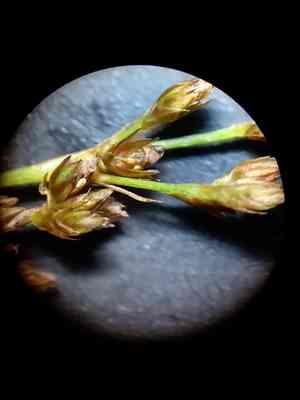
Grassleaf rush (Juncus marginatus)
Also known as: Grassleaved or red-anthered rush
The Juncus marginatus, commonly called grassleaf rush, thrives in moist regions of the southern United States. This plant is endangered in certain areas and is one of the rarest species within its genus.
In This Article
Attributes of Grassleaf rush
Lifespan
Perennial
Plant Type
Grass
Plant Height
25 cm to 51 cm
Spread
not applicable, as it forms clumps
Leaf Color
green
Flower Size
1 cm
Flower Color
Yellow Red Brown
Images of Grassleaf rush
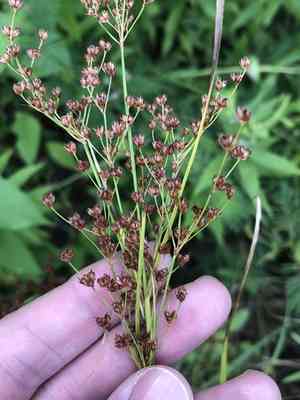
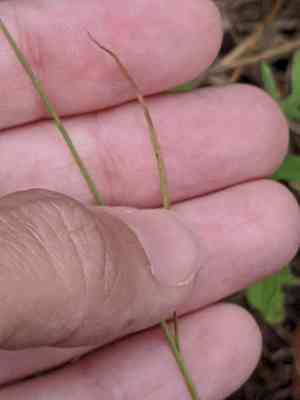
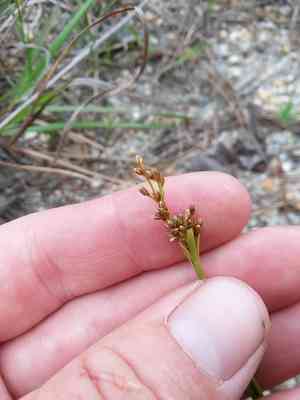
Quickly Identify Grassleaf rush
1
Juncus marginatus can be identified by its grass-like leaves and fine, round stems. It usually has clusters of small, brownish flowers at the ends of the stems.
Scientific Classification of Grassleaf rush
Phylum
Vascular plants
Class
Monocotyledons
Order
Poales
Family
Rush
Genus
Rushes
Species
Grassleaf rush
Planting and Growing of Grassleaf rush
Care Difficulty
Easy
Watering Schedule
Every 4 days
Sunlight Requirements
Full sun
Sunshine Duration
6-12 hours
Ideal Temperature
65-75℉
Soil Type
Potting Mix, Peat Mix
Soil pH
4.5-7.5
Fertilizer Type
Balanced
Pruning Season
Spring, Summer
Pruning Area
Branches, Leaves
Pruning Frequency
2 times a year
Repotting Season
Spring
Pot Type
Plastic, Ceramic
 How to Water Grassleaf rush?
For Juncus marginatus, the ideal watering amount is around 200 milliliters per session. Ensure that the soil is evenly moist but not waterlogged. The soil should be damp to the touch but free from standing water, indicating an adequately hydrated plant without excess moisture.
What are the symptoms of an underwatered Grassleaf rush?
›
What should I do if my Grassleaf rush is not getting enough water?
›
What are the symptoms of an overwatered Grassleaf rush?
›
How to save an overwatered Grassleaf rush?
›
 What Are the Sunlight Requirements for Grassleaf rush?
Juncus marginatus thrives in full sun to partial sun with about 6 to 8 hours of sunlight daily. Proper light ensures vibrant colors, vigorous growth, and healthy foliage.
More About Sunlight Requirements Techniques→
How much sunlight does Juncus marginatus need?
›
What are the best practices for placing Juncus marginatus?
›
What benefits does Juncus marginatus receive from ideal light conditions?
›
 What Is the Ideal Temperature Range for Grassleaf rush?
Juncus marginatus, commonly known as grass-leaved rush, thrives best when the temperature consistently maintains between 65°F to 75°F. This range ensures optimal growth as it provides an environment that balances warmth and moisture. The plant’s metabolic processes, including nutrient uptake and photosynthesis, are maximized within this temperature bracket, leading to healthy development and resilience.
 What Soil is Best for Grassleaf rush?
Juncus marginatus thrives in well-drained soils. Good drainage prevents waterlogging, which can suffocate roots and lead to root rot. Sandy and sandy loam soils are ideal as they allow excess water to flow away, maintaining a balanced moisture level essential for healthy growth. This plant prefers soils with moderate fertility where nutrients are available but not in excess. A soil with adequate organic matter will support the plant without causing excessive vegetative growth that can weaken its structure. Loamy soils often provide an optimal nutrient balance. Juncus marginatus best grows in slightly acidic to neutral pH levels, ideally between 4.5 and 7.5. This range allows optimal nutrient absorption, as elements like nitrogen, phosphorus, and potassium are readily available, promoting robust growth and resilience to stressors.
 How to Fertilize Grassleaf rush?
Juncus marginatus requires moderate fertilization to maintain its lush growth. For liquid fertilizers, use a balanced 10-10-10 NPK formula at a dilution rate of 1/4 strength. Apply approximately 100ml per plant during the liquid feeding schedule.
 How to Prune Grassleaf rush?
Begin by identifying any yellowed or damaged stems at the base of the plant. Use clean, sharp shears to trim these at ground level. Next, shape the plant for aesthetics by trimming any overly long stems to maintain a uniform height and spread. Focus on maintaining the natural form while ensuring sufficient airflow between the stems. Decide on pruning when the plant appears crowded or when there's evident disease. This usually means the plant is struggling and could benefit from some breathing space. Regular, moderate pruning is key to prevention and promotes healthy growth.
More About Pruning Techniques→
 How to Propagate Grassleaf rush plant?
1
Before planting, ensure that your garden bed or seed tray is filled with well-draining soil. Add organic matter like compost to enhance nutrient availability, which will support healthy plant growth.
2
When propagating by seeds, sow them on the soil surface and press lightly. Do not cover them with soil as they require light for germination. Maintain consistent moisture but avoid overwatering to prevent rot.
3
For division propagation, carefully dig up the plant and rinse off the soil to expose roots. Use a spade or knife to cut the rhizome into segments, ensuring each has roots and stems. Plant the divisions immediately at their original depth.
 How to Repot Grassleaf rush plant?
1
Juncus marginatus needs repotting when you observe roots circling the pot's perimeter or growing out of the drainage holes. Another signal is if water runs straight through the pot, indicating compacted soil that can't retain moisture. Early spring or early autumn is the best time to repot.
2
Select a pot that's 1-2 inches larger in diameter than the current one. A slightly larger pot allows room for root growth without overwhelming the plant. Ensure the pot has good drainage holes to prevent waterlogging, which can lead to root rot.
3
Opt for loamy soil with excellent moisture retention properties for Juncus marginatus. It's crucial because this plant thrives in moist environments and the right soil mix will help maintain consistent moisture, preventing the roots from drying out.
Learn More About Grassleaf rush Diseases
Anthracnose
Bacterial Leaf Spot
Bacterial Soft Rot
Chemical Injury
Damping-off
Downy Mildew
Drought Stress
Fusarium Wilt
Gray Mold
Leaf Spot
Mosaic
Nutrient Deficiency
Nutrient Toxicity
Powdery Mildew
Root Rot
Root-knot Nematode
Rusts
Sooty Mold
Spider Mites
Temperature Stress
Thrips Damage
White Mold



