How to Transplant Drummond's rush?
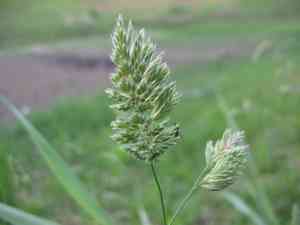
Drummond's rush prospers when relocated during the lively period from early to late spring, benefiting from moderate temperatures. It flourishes in damp, adequately drained substrates under full to partial sun exposure. Guarantee regular irrigation after transplanting to foster fresh development.
Necessary Preparations Before Relocating Drummond's Rush
Optimal Period for Moving Drummond's Rush?
For best results, consider moving drummond's rush between early and late spring. This timeframe offers moderate temperatures and increased ground moisture, aiding root establishment and reducing relocation stress. Transplanting then also provides ample growth time before summer's harsh conditions, allowing the perennial to thrive in its new spot.
Required Spacing Between Drummond's Rush Plants?
When relocating drummond's rush, ensure a spacing of 12-18 inches (30-45 cm) between them. This provides sufficient room for their development and flourishing.
Ideal Soil Blend for Drummond's Rush Relocation?
For drummond's rush, prepare a soil mixture that drains well and is rich in organic material. Consider adding compost or aged manure as a foundational fertilizer to boost soil fertility.
Where to Replant Your Drummond's Rush?
Choose a site for drummond's rush that receives direct sunlight for a minimum of 6 hours daily. This will assist the plant in establishing itself and growing vigorously.
Equipment to Prepare Before Moving Drummond's Rush
Gardening Gloves
To safeguard your hands while handling soil and the plant.
Shovel or Spade
For excavating the plant and preparing a new planting hole.
Trowel
Used for precise adjustments and planting in the new spot.
Watering Can or Hose
To hydrate the plant before and after its relocation.
Garden Fork
To loosen the soil around the root ball when necessary.
Wheelbarrow
For moving the plant if required.
Rooting Hormone (optional)
To stimulate rapid development of new roots.
Mulch
To maintain moisture and regulate soil temperature post-transplant.
How to Extract Drummond's Rush from the Ground?
How to Extract Drummond's Rush from the Ground?
From Ground: First, moisten the soil around the drummond's rush plant by watering it. Next, use a shovel or spade to dig a wide trench around the plant, ensuring the root ball remains intact. Carefully work the spade beneath the root ball to lift the plant from its original position.From Pot: Gently tip the pot onto its side and tap the base to loosen the root ball. Hold the plant by its base and carefully slide it out of the pot. If the roots are densely packed (root-bound), gently separate them with your fingers or a garden fork.From Seedling Tray: Water the seedlings to facilitate their removal. Use a small trowel or your fingers to scoop under each seedling, taking care to keep the root system whole. Lift each seedling gently, supporting the base and avoiding excessive handling of the roots.
Step-by-Step Instructions for Relocating Drummond's Rush
Preparation
Before beginning, thoroughly water the drummond's rush plant in its current location. This helps minimize transplant shock and simplifies plant removal.
Digging the New Hole
Select a suitable new spot for your drummond's rush. Dig a hole that is twice as wide and as deep as the plant's root ball or container. This allows the roots to spread easily in their new environment.
Amending the Soil
If needed, blend some compost into the soil removed from the hole to enhance its nutrient content and drainage capabilities.
Transplanting
Place the drummond's rush plant into the new hole, ensuring it sits at the same depth it was previously growing. Backfill the hole with the amended soil, gently firming it around the roots to eliminate air pockets.
Watering In
After transplanting, water the plant thoroughly. This helps settle the soil around the roots and provides immediate moisture, which is vital for the plant's recovery.
Mulching
Apply a layer of mulch around the plant's base to help retain moisture and suppress weeds. Keep the mulch a few inches away from the plant stem to prevent rot.
Post-Transplant Care for Drummond's Rush
Watering
Maintain consistent moisture in the soil around drummond's rush, avoiding sogginess, for the initial weeks after transplanting to encourage strong root development.
Monitoring
Observe the plant's condition closely. Watch for signs of transplant shock, such as yellowing leaves or wilting, and adjust care as necessary.
Protection
Shield the newly transplanted plant from harsh weather, including strong winds or intense sun. A temporary shade cloth can be used if required.
Fertilization
After several weeks, consider applying a balanced, slow-release fertilizer to supply nutrients as the plant adapts to its new setting.
Pruning
Remove any damaged or dead leaves or stems to promote new growth and prevent disease spread.
Resolving Common Issues with Drummond's Rush Relocation.
When is the best time to move drummond's rush?
The optimal period for relocating drummond's rush spans from early spring to late spring.
What spacing should I use for drummond's rush plants?
Position drummond's rush plants 12-18 inches (30-46 cm) apart to ensure healthy development.
What kind of soil is ideal for drummond's rush?
Drummond's rush thrives in well-drained, moist soil abundant in organic matter.
Is immediate watering necessary for drummond's rush after transplanting?
Yes, water drummond's rush thoroughly right after relocation to help it settle into its new spot.
How deep should I plant drummond's rush?
Plant drummond's rush at the same depth it was growing in its previous location.
How can I prevent transplant shock in drummond's rush?
Keep the roots moist and minimize disturbance during transplanting to reduce shock.
Is mulching essential for drummond's rush after transplanting?
Yes, apply a layer of mulch around drummond's rush to retain moisture and control weeds.
Should I fertilize drummond's rush immediately after transplanting?
Wait a few weeks before fertilizing drummond's rush to allow it to acclimate to its new environment.
What if drummond's rush shows stress after transplanting?
Ensure drummond's rush receives sufficient water and consider temporarily shading it from intense sunlight.
How much sunlight does drummond's rush require after transplanting?
Drummond's rush flourishes in full sun to partial shade, so ensure it gets at least 6 hours of daily sunlight.



