How to Prune Drummond's rush?
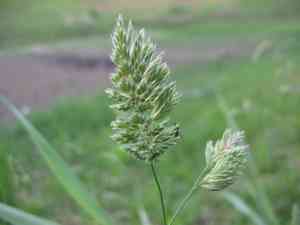
Juncus drummondii, a perennial plant, flourishes in moist habitats and exhibits cylindrical, grass-like stalks. Optimal trimming should take place in early spring or during the winter season prior to the emergence of fresh shoots. Sever the spent leaves down to the soil surface to stimulate robust new stems. This practice not only preserves the neat look of Juncus drummondii but also fosters strong development and averts excessive density, which is crucial for its well-being and visual attractiveness. Employ sanitized, keen implements to prevent harm to the stalks.
What Are the Benefits of Pruning Drummond's Rush?
What Are the Benefits of Pruning Drummond's Rush?
Trimming drummond's rush promotes robust development and helps maintain its desired form. This practice is vital, not only for plant well-being, by eliminating dead or diseased tissue, but also for aesthetic reasons, ensuring the plant stays neat and well-structured.
What Is the Best Time for Pruning Drummond's Rush?
What Is the Best Time for Pruning Drummond's Rush?
Trimming drummond's rush in early spring is optimal as it prepares the plant for new growth and helps maintain its shape and health before the active growing season begins. Winter is also a suitable time for cutting, particularly when the plant is dormant, reducing stress on drummond's rush and minimizing the risk of disease transmission that can occur during more humid or active growth periods. These seasons ensure that the pruning does not interfere with the growth cycle or the health of drummond's rush, making it more resilient and ready for the subsequent growing season.
What Tools Do I Need to Prune Drummond's Rush?
Sharp Scissors or Snips
Perfect for making precise cuts on drummond's rush's relatively thin and flexible stems. Using sharp scissors ensures clean cuts that promote better healing and prevent damage to the plant.
Hand Pruners
Suitable for thicker, tougher stems that scissors might not easily cut through. These provide more leverage and are perfect for selectively thinning out dense growths in drummond's rush.
Gardening Gloves
Important for protecting hands from the rough texture of drummond's rush's stems and potential skin irritants while handling or cutting the plant.
How to Prune Drummond's Rush
Identify
Identify and assess the diseased or withered leaves on drummond's rush. Carefully examine each cluster to distinguish healthy foliage from unhealthy foliage. Look for any signs of discoloration, spots, or decay.
Prepare tools
Prepare the appropriate tools for pruning drummond's rush. Use clean, sharp scissors or pruning shears. Disinfect the blades before use to prevent the spread of diseases to healthy parts of drummond's rush.
Prune diseased
Prune the diseased leaves. Carefully cut each affected leaf at the base where it connects to the main stem or immediately next to a healthy leaf. Ensure not to damage the adjacent healthy foliage during this process.
Prune withered
Remove the withered leaves following a similar approach. Snip each yellowed or dead leaf close to its base or near a healthy leaf junction, aiming to keep the aesthetic form of drummond's rush and encourage healthy growth.
Cleanup
After pruning, clean the area around drummond's rush to remove all fallen debris and discarded leaves. This helps in preventing any potential disease spread and contributes to maintaining a healthy environment for drummond's rush.
Common Pruning Mistakes with Drummond's Rush
Over-pruning
Removing too much foliage can stress drummond's rush, leading to reduced vigor and growth. It's crucial to prune only dead or damaged stems.
Improper technique
Using dull or unclean pruning tools can damage drummond's rush's delicate stems, risking disease and poor regrowth. Always use sharp, clean shears.
Neglecting deadheading
Failing to remove spent flowers can prevent drummond's rush from focusing energy on healthy growth and potential new blooms.
Ignoring plant structure
Pruning without understanding the natural shape and growth pattern of drummond's rush can result in an unhealthy and aesthetically unpleasing plant.
Common Pruning Tips for Drummond's Rush
Timing within season
Focus on removing dead or diseased stems as soon as they are noticed to maintain the health and appearance of drummond's rush.
Selective pruning
Target only the areas that need attention, such as dead stems or overcrowded sections, to enhance the plant's overall health and form.
Use of proper tools
Employ sharp, cleaned, and appropriate-sized pruning shears to make clean cuts that heal quickly.
Conservative approach
Initially, prune lightly, especially if unsure; you can always prune more later if necessary, but over-pruning can be detrimental.



