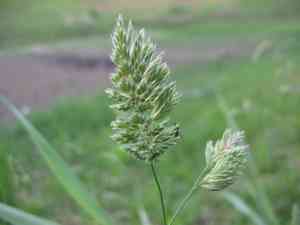
Drummond's rush (Juncus drummondii)
Also known as: Drummond's rush
Drummond's rush is a perennial herb found primarily in western North America, thriving in alpine meadows and moist coniferous forests. This plant features tall, slender stems enveloped by mid-green leaves. Its distinctive flowers are dark brown with green stripes. Drummond's rush is typically not grown in residential gardens.
In This Article
Attributes of Drummond's rush
Lifespan
Perennial
Plant Type
Grass
Plant Height
46 cm
Spread
Not applicable
Leaf Color
Green
Flower Size
Small
Flower Color
Yellow Green Brown
Images of Drummond's rush
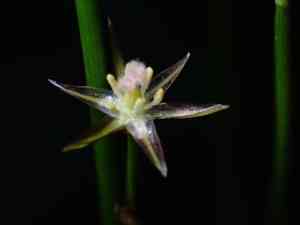
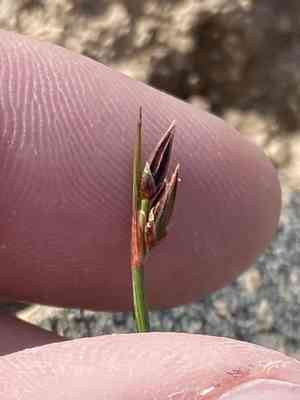
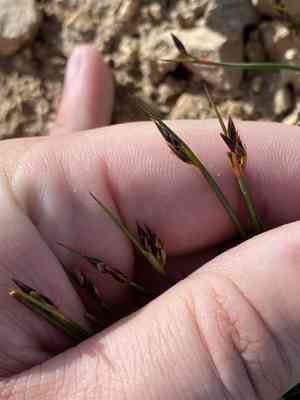

Quickly Identify Drummond's rush
1
This species can be identified by its round stems, up to 50 cm tall, with small, clustered, brownish flowers towards the top of the stems.
Scientific Classification of Drummond's rush
Phylum
Vascular plants
Class
Monocotyledons
Order
Poales
Family
Rush
Genus
Rushes
Species
Drummond's rush
Planting and Growing of Drummond's rush
Care Difficulty
Easy
Watering Schedule
Every 2 days
Sunlight Requirements
Full sun
Sunshine Duration
6-12 hours
Ideal Temperature
50-70℉
Soil Type
Potting Mix, Peat Mix
Soil pH
6.5-7.5
Fertilizer Type
Balanced
Pruning Season
Spring, Summer
Pruning Area
Branches, Leaves
Pruning Frequency
2 times a year
Repotting Season
Spring
Pot Type
Plastic, Ceramic
 How to Water Drummond's rush?
Juncus drummondii, commonly known as Drummond's rush, thrives in moist environments. When watering, aim for about 500 milliliters per session, ensuring the soil remains consistently damp but not waterlogged. This plant prefers the soil to be evenly moist, reflecting its natural habitat. A good practice is to let the water seep through the soil to ensure an even distribution, supporting the root structure.
What are the symptoms of an underwatered Drummond's rush?
›
What should I do if my Drummond's rush is not getting enough water?
›
What are the symptoms of an overwatered Drummond's rush?
›
How to save an overwatered Drummond's rush?
›
 What Are the Sunlight Requirements for Drummond's rush?
Juncus drummondii ideally requires a full sun environment with 4 to 6 hours of sunlight. This exposure ensures optimal photosynthesis, aiding in proper growth and vibrant coloration.
Does Juncus drummondii prefer full sun or partial shade?
›
What solutions can I implement to ensure optimal light conditions?
›
What benefits does optimal lighting provide for Juncus drummondii?
›
 What Is the Ideal Temperature Range for Drummond's rush?
The ideal temperature range for Juncus drummondii is between 50°F and 70°F. This range provides a suitable environment for optimal growth, allowing the plant to thrive without experiencing undue stress from temperature fluctuations. Maintaining such conditions promotes robust development and health.
 What Soil is Best for Drummond's rush?
Juncus drummondii thrives in soil that offers good drainage. This avoids water accumulation around roots, which can lead to root rot and fungal infections, ensuring the plant remains healthy and vibrant. This plant benefits from a nutrient-rich soil environment. Introducing organic matter or compost can significantly enhance soil fertility, supporting robust growth and lush foliage. The soil should maintain adequate moisture to replicate the plant's natural habitat. A balance between moisture retention and drainage offers the best growing conditions for sustained health.
 How to Fertilize Drummond's rush?
For optimal growth of Juncus drummondii, use a balanced 10-10-10 liquid fertilizer at a concentration of half the recommended strength. Typically, apply about 50-100 ml of this diluted solution per plant per application. Ensure the soil is moist before application to facilitate nutrient absorption.
 How to Prune Drummond's rush?
Begin with a pair of sharp pruning shears and ensure they are clean to prevent disease transmission. It's advisable to wear gloves, as this will protect your hands from any sharp foliage or debris. Lay down a tarp or a garden bag nearby to easily collect the waste. Start by trimming back any brown or dead leaves at the base of the plant, cutting cleanly into healthy growth. Remove stems that are crossing or tangled, as they can impede water flow and light access. Keep the plant healthy by evenly spacing remaining stems.
More About Pruning Techniques→
 How to Propagate Drummond's rush plant?
1
Harvest seeds from mature plants in late summer. Make sure the seed heads are completely dry before extracting the seeds, as wet seeds can rot or mold during storage.
2
Use a well-draining soil mixture suitable for wetland plants. Juncus drummondii prefers slightly acidic to neutral pH. Ensure the soil is moist before planting the seeds.
3
Choose a mature plant and water it well before dividing. Carefully dig up the plant, keeping as much of the root ball intact as possible. Split the plant into smaller sections, each with roots and shoots.
 How to Repot Drummond's rush plant?
1
Juncus drummondii shows the need for repotting when its roots begin to outgrow the current container, visible through drainage holes, or when the plant's growth slows down significantly. The ideal time to repot is during the active growing seasons, spring or early autumn, when the plant can recover quickly from any root disturbance.
2
Select a pot that's one size larger than the current one, ensuring it has adequate drainage holes. A slightly larger pot prevents overwatering and root rot by facilitating better air circulation and drainage, crucial for maintaining healthy roots and supporting the plant's growth.
3
Opt for a well-draining, sandy soil mix, which is essential for Juncus drummondii, as it mimics its natural habitat. This soil type prevents waterlogging, reduces the risk of root rot, and allows the roots to breathe and access nutrients efficiently, promoting robust growth.



