How to Propagate Drummond's rush?
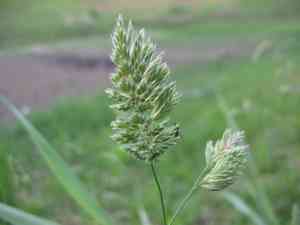
Juncus drummondii, originating from elevated terrains, flourishes in damp, adequately draining substrates. Effective multiplication of this variety is predominantly accomplished via separation. Carefully divide the clusters during spring or autumn, verifying that each portion possesses sufficient root structure. Promptly re-establish them to foster vigorous development, preserving steady soil hydration and dappled light for optimal integration.
Optimal Time for Drummond's Rush Propagation
Propagation Method
Division
Propagation Period
Spring,Autumn
Tools for Propagating Drummond's Rush
Sharp Knife or Secateurs
A keen knife or secateurs are vital for making clean cuts through the root system of drummond's rush during division. This ensures precise and neat cuts, which helps prevent root damage and minimizes infection risk. The importance of sharp tools is paramount, as they facilitate quick, efficient cuts without undue stress to plant parts.
Garden Spade or Fork
A garden spade or fork is employed to gently lift drummond's rush from the soil, ensuring minimal root disturbance. This tool is especially important for digging around the plant with ample space, to avoid accidentally cutting into the root zone. Gentle handling, enabled by these tools, is crucial for maintaining the health of the plant's root system during propagation.
Watering Can with a Fine Rose
Following division, it's important to ensure drummond's rush is well-watered to aid establishment in its new environment. A watering can with a fine rose attachment is recommended for gentle, even water distribution. This prevents soil displacement around newly planted divisions and helps keep roots moist, vital for recovery and growth.
Rooting Hormone (Optional)
While not always necessary, applying a rooting hormone can promote faster root development in drummond's rush, particularly in the cut areas of the division. This can enhance the overall success rate of propagation by encouraging stronger root growth, thus helping divisions establish more effectively.
Labeling Materials
Appropriate labels and a permanent marker are important for recording essential information such as the division date and specific care needs. Labeling helps track drummond's rush's progress post-propagation and is crucial for managing multiple plants efficiently.
How to Propagate Drummond's Rush
Propagation Difficulty
Easy
Caring for Newly Propagated Drummond's Rush
Caring for Newly Propagated Drummond's Rush
After successful propagation, continue to maintain moist soil conditions and provide drummond's rush with full to partial sunlight exposure. During the growing season, maintain higher moisture levels and consider using a diluted liquid fertilizer to encourage growth. As a bog plant, ensuring no prolonged dry spells affect the plant is crucial. Prune dead or yellowing foliage to keep drummond's rush healthy and prevent potential pest infestations or diseases.
Common Propagation Mistakes to Avoid with Drummond's Rush
Overwatering
Excessive moisture can lead to root rot or fungal growth, significantly impairing drummond's rush's health and reducing its chances for successful propagation.
Using poor soil mix
Drummond's rush requires a well-draining soil mix. Using a heavy, non-porous mix can trap moisture around the roots, potentially causing root diseases and affecting drummond's rush's growth.
Inadequate light
While drummond's rush doesn't demand full, intense sunlight, insufficient light can weaken drummond's rush, leading to poor growth and reduced vigor, which impacts its overall propagation success.
Tips for Propagating Drummond's Rush
Use of rhizome division
Dividing drummond's rush's rhizomes is an effective and gentle propagation method. This technique helps maintain the plant's health and identity, ensuring high propagation rates.
Ensuring optimal moisture
Drummond's rush thrives in moist conditions, but balancing moisture levels is crucial. Ensure the soil is consistently damp but not waterlogged to prevent root issues.
Providing light shade
Although drummond's rush can tolerate partial shade, providing light shade ensures optimal growth without the risk of scorching or drying out. This creates an ideal environment for drummond's rush's propagation.



