How to Transplant Alpine rush?
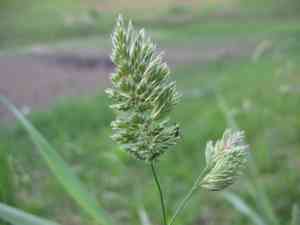
For alpine rush, the prime period for transplanting extends from early spring through late spring, facilitating robust root development. Choose a location offering sufficient dampness and filtered sunlight. Careful manipulation is advised to preserve the root system's soundness.
What Preparations are Needed Before Transplanting Alpine Rush?
What is the Ideal Time for Transplanting Alpine Rush?
For alpine rush, the perfect time for moving it is during the lush period from late spring to early summer. This timing ensures the ground is warm enough to support root development, while mild temperatures and increased daylight offer an optimal environment for alpine rush to settle. Utilizing this season's gentle warmth and consistent growth conditions provides alpine rush with the best start in its new spot, with natural nurturing elements enhancing root establishment and minimizing transplant shock.
How Much Space Should You Leave Between Alpine Rush Plants?
When preparing to plant your alpine rush, aim to space them roughly 6-8 inches (15-20 cm) apart. This provides each plant sufficient room to thrive without becoming overcrowded.
What is the Best Soil Mix for Alpine Rush Transplanting?
For alpine rush, prepare the soil by aiming for a damp, well-draining type. Before planting, enrich the soil with a balanced, slow-release fertilizer to give your alpine rush a strong beginning.
Where Should You Relocate Your Alpine Rush?
Select a location for your alpine rush that receives ample light but can also tolerate some partial shade. The ideal spot will allow your alpine rush to enjoy sunshine for part of the day and rest in cool shade as well.
What Equipments Should You Prepare Before Transplantation Alpine Rush?
Gardening Gloves
To safeguard your hands while handling soil and plants.
Hand Trowel
For digging small holes and gently removing the plant from its original container.
Shovel or Spade
To excavate the appropriately sized hole for the root ball in the ground.
Watering Can
To hydrate the plant both prior to and following transplantation.
Pruners
To trim any damaged roots or foliage before moving the plant.
Wheelbarrow or Garden Cart
To transport the plant and soil without harming the root ball.
Mulch
To help retain moisture and regulate soil temperature around the new planting site.
How Do You Remove Alpine Rush from the Soil?
How Do You Remove Alpine Rush from the Soil?
From Ground: Hydrate the alpine rush plant to moisten the soil. Using a shovel or spade, dig a wide circle around the plant, ensuring the root ball stays intact. Gently work the spade beneath the root ball to lift the plant from the soil.From Pot: Dampen the soil in the pot to facilitate removal. Turn the pot sideways and gently tap its sides and bottom to loosen the roots from the edges. Carefully pull the plant by its base and ease it out of the pot.From Seedling Tray: Water the seedlings to ensure the soil is not dry. Use a hand trowel or similar tool to loosen the soil around each individual seedling. Gently lift the seedling by its leaves, not the stem, to prevent damage.
Step-by-Step Guide for Transplanting Alpine Rush
Prepare The Hole
Dig a hole twice the width of the root ball and the same depth in the transplanting area. Amend the soil from the hole with compost if needed.
Inspect The Roots
Examine the root ball for any circling or girdling roots and trim if found. This ensures the roots will expand outward in their new environment.
Position The Plant
Place alpine rush in the center of the hole at the same depth it was growing previously. Ensure it is standing upright.
Backfill The Hole
Gently refill the hole with the excavated soil, tamping down lightly to remove air pockets.
Water Thoroughly
Water the alpine rush generously after transplanting to settle the soil and eliminate air gaps around the roots.
Apply Mulch
Spread a layer of mulch around the base of the plant, keeping it an inch away from the stems to prevent rot and pests.
How Do You Care For Alpine Rush After Transplanting?
Watering
Regularly water the alpine rush to maintain consistent soil moisture, adjusting frequency based on weather and drainage.
Mulching
Replenish the mulch layer as needed to conserve moisture and suppress weeds.
Monitoring
Observe alpine rush for indications of transplant shock, such as wilting leaves or slowed growth, and address promptly.
Pruning
Trim any dead or damaged stems to encourage vigorous growth and maintain the plant's form.
Troubleshooting Common Issues with Alpine Rush Transplantation.
What's the best time to transplant alpine rush?
The optimal period for transplanting alpine rush is when days are warm, typically from late spring through early summer.
How far apart should I space alpine rush when transplanting?
Position alpine rush approximately 6-8 inches (15-20 cm) apart to provide each plant ample room to flourish.
Why are the leaves of alpine rush I transplanted turning yellow?
Yellowing leaves might indicate excessive watering or inadequate drainage. Ensure the soil is moist but not waterlogged.
What soil conditions are best for transplanting alpine rush?
Transplant alpine rush into well-draining soil rich in organic matter for optimal development.
How much sunlight does alpine rush need after transplanting?
Provide alpine rush with abundant sunlight, preferring full sun to partial shade for robust growth.
Why isn't my transplanted alpine rush growing?
Alpine rush may struggle if planted too deeply or in an overly shaded location. Verify planting depth and light exposure.
Can I transplant alpine rush during a hot spell?
Avoid transplanting alpine rush during extreme heat. Early morning or overcast days are best to prevent stress.
How should I water alpine rush after transplanting?
Initially, water alpine rush deeply to settle the soil around the roots, then maintain consistent moisture without overwatering.
What immediate care should I give alpine rush after transplanting?
After transplanting, mulch around alpine rush to retain moisture and reduce weeds. Avoid piling mulch against the stem.
Why are alpine rush plants wilting after transplanting?
Wilting could be due to transplant shock. Keep the soil moist and shield alpine rush from intense sun for a few days.



