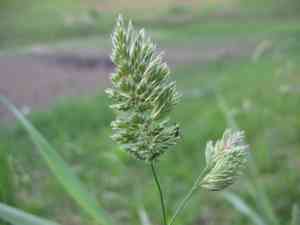
Alpine rush (Juncus alpinoarticulatus)
Also known as: Mountain Rush, Alpine Rush
Juncus alpinoarticulatus, also known as alpine rush, is distributed throughout North America, Europe, and Asia. This species typically thrives in wetland habitats such as marshes, stream banks, and lake peripheries. Notably, it has approximately six recognized varieties.
In This Article
Attributes of Alpine rush
Lifespan
Perennial
Plant Type
Grass
Plant Height
15 cm to 51 cm
Spread
Not applicable
Leaf Color
Green
Flower Size
0.2-0.4 cm
Flower Color
White Yellow Red Brown
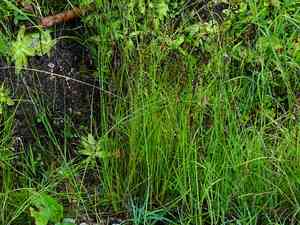
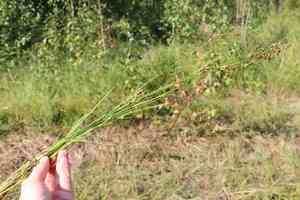
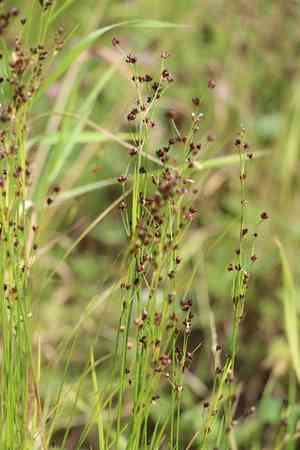
Images of Alpine rush
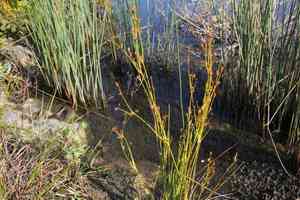
Quickly Identify Alpine rush
1
Identify Juncus alpinoarticulatus by its thin, cylindrical stems and clusters of small, brownish flowers. The plant typically grows in moist or wet habitats, such as fens and wet meadows.
Scientific Classification of Alpine rush
Phylum
Vascular plants
Class
Monocotyledons
Order
Poales
Family
Rush
Genus
Rushes
Species
Alpine rush
Planting and Growing of Alpine rush
Care Difficulty
Easy
Watering Schedule
Every 2 days
Sunlight Requirements
Partial sun
Sunshine Duration
4-6 hours
Ideal Temperature
65-75℉
Soil Type
Potting Mix, Peat Mix
Soil pH
6.5-7.5
Fertilizer Type
Balanced
Pruning Season
Spring, Summer
Pruning Area
Branches, Leaves
Pruning Frequency
2 times a year
Repotting Season
Spring
Pot Type
Plastic, Ceramic
 How to Water Alpine rush?
Juncus alpinoarticulatus prefers consistently moist conditions. When watering, ensure the soil is thoroughly saturated, allowing the excess water to drain away. This helps mimic the plant's natural boggy habitat.
What are the symptoms of an underwatered Alpine rush?
›
What should I do if my Alpine rush is not getting enough water?
›
What are the symptoms of an overwatered Alpine rush?
›
How to save an overwatered Alpine rush?
›
 What Are the Sunlight Requirements for Alpine rush?
Prefers partial to full sun, benefiting from 6 to 8 hours of light. Adequate light enhances its growth rate, promotes better foliage development, and improves overall plant vigor.
More About Sunlight Requirements Techniques→
What is the best location for Juncus alpinoarticulatus?
›
Can Juncus alpinoarticulatus tolerate shade?
›
How to ensure Juncus alpinoarticulatus gets enough light indoors?
›
 What Is the Ideal Temperature Range for Alpine rush?
Juncus alpinoarticulatus thrives best in an environment where the temperature is consistently between 65°F and 75°F. These conditions replicate the plant's natural habitat, facilitating optimal physiological functions. Maintaining the ideal temperature not only aids in growth but also prevents stress-related issues. Thus, it is crucial to provide a stable environment within this range to ensure the plant flourishes.
 What Soil is Best for Alpine rush?
Juncus alpinoarticulatus thrives in moist soil, which helps the plant maintain its lush growth and healthy green color. Consistently moist conditions prevent dehydration and leaf wilting, ensuring robust development. Well-drained soil is essential to prevent waterlogging, which can lead to root rot. This ensues that the plant's roots have access to oxygen, promoting vigorous health and stability. A nutrient-rich substrate provides the necessary minerals and nutrients essential for the plant's growth. This supports lush foliage and a healthy root system, encouraging optimal growth conditions.
 How to Fertilize Alpine rush?
For Juncus alpinoarticulatus, it's crucial to maintain a balanced approach in fertilization. Use approximately 100 ml of diluted liquid fertilizer per plant each time, ensuring that nutrients are adequately delivered without overwhelming the plant.
 How to Prune Alpine rush?
Start by identifying areas of the plant that require attention, such as dead stems or those that cross or rub against each other. Focus also on areas where growth is too dense. Make precise cuts above a node, which is the point where leaves meet the stem, to encourage optimal growth. Ensure that each cut is clean to avoid damage and promote healthy regrowth. After pruning, water the plant adequately to reduce stress and monitor it for any signs of disease or pest infestation. It is also beneficial to apply a balanced fertilizer to support recovery and growth.
More About Pruning Techniques→
 How to Propagate Alpine rush plant?
1
Collect seeds from a mature Juncus alpinoarticulatus plant. Sow them in a seed tray filled with well-draining soil mix. Keep the soil consistently moist and ensure adequate sunlight for optimal germination.
2
During early spring, identify a mature plant with a healthy root system. Water the plant thoroughly a day before to ensure roots are hydrated, making division less stressful and more successful.
3
Once divisions are made, immediately replant them in moist, fertile soil. Position the divisions at the same depth as the original plant and water them well to settle the soil and establish root contact.
 How to Repot Alpine rush plant?
1
Repot Juncus alpinoarticulatus when you notice roots growing out of the drainage holes, or if the plant appears to be stunted. This usually indicates that the roots have filled the current container and need more space to grow.
2
Select a pot that is one size larger than the current one, ensuring it has ample drainage holes. A heavier pot can offer better stability for the plant's clustered growing pattern, preventing it from tipping over easily.
3
Opt for a soil mix that retains moisture without becoming waterlogged. A mixture containing peat, sand, and loam is ideal as it mimics the plant's natural habitat, ensuring it has the moisture and drainage it requires.



