How to Prune Alpine rush?
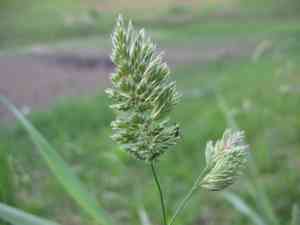
A perennial with a preference for damp conditions, alpine rush flourishes in marshy environments, characterized by its cylindrical stalks and compact flower clusters. Perform trimming in early spring or during its dormant winter period. Trim back any deceased or excessively large leaves to the ground level to stimulate robust development and preserve the plant's form. Eliminating withered matter additionally deters ailments and improves air movement. This method revitalizes alpine rush and boosts its vibrant, verdant look for the upcoming cultivation period.
Advantages of Trimming Alpine Rush
Advantages of Trimming Alpine Rush
Trimming alpine rush promotes robust development and helps maintain its form. This care practice enables gardeners to cultivate a healthy plant structure and vitality, ensuring alpine rush flourishes in its setting.
Optimal Time for Trimming Alpine Rush
Optimal Time for Trimming Alpine Rush
Trimming or cutting back alpine rush is best performed in early spring or winter, as these are periods when the plant is dormant. In early spring, just before the growth cycle begins, pruning can stimulate new growth and shape the plant for the upcoming season. It also allows for the removal of any damaged or diseased foliage accumulated over winter. During winter, the plant's growth slows due to colder temperatures and shorter days, making it an ideal time to trim without stressing alpine rush. Pruning during dormancy helps prevent sap loss, which is more likely during active growth. Additionally, cutting back alpine rush in these seasons provides clear visibility for identifying which parts of the plant need removal. This timing ensures the plant retains vigor and recovers well with the onset of the growing season.
Tools Required for Trimming Alpine Rush
Bypass pruners
Perfect for precise cuts on alpine rush's thinner stems, ensuring a clean incision that encourages healthy regrowth.
Sharp scissors
Useful for trimming smaller or more delicate parts of alpine rush, such as its slender blades or flower heads.
Gardening gloves
Crucial for protecting hands from the rough texture of alpine rush, minimizing irritation or injury during pruning.
Shears
Effective for shaping larger clumps of alpine rush, allowing for even and efficient trimming of its dense tufts.
How to Trim Alpine Rush
Sanitize
Before beginning, disinfect your pruning tools to prevent the spread of disease to or from alpine rush. Use a solution of one part bleach to nine parts water to clean the blades.
Identify
Examine alpine rush closely to pinpoint any diseased and withered leaves that require removal. Diseased leaves may show signs of discoloration, spots, or deformities.
Remove Diseased Leaves
Using your sanitized pruning shears or scissors, carefully cut away the diseased leaves at their base where they emerge from the main stem or soil. Avoid pulling the leaves to prevent damage to alpine rush's root system.
Remove Withered Leaves
Similarly, trim away the withered leaves at their base. Withered leaves are those that have turned brown or yellow and possess a dry, crispy texture.
Dispose
Properly discard the trimmed diseased and withered leaves to prevent reinfection or attracting pests. Do not compost these leaves; instead, place them in a bag and dispose of them with household waste.
Common Trimming Errors with Alpine Rush
Excessive pruning
One of the most significant errors when trimming alpine rush is removing too much foliage, which can lead to stress and reduced vigor. Alpine rush is a resilient plant but can be weakened if overpruned, affecting its ability to thrive.
Improper tool use
Using dull or dirty pruning tools can damage the stems of alpine rush, resulting in jagged cuts that are susceptible to disease. Ensure tools are sharp and clean before starting the pruning process.
Ignoring dead material
Failing to remove dead or damaged foliage from alpine rush can hinder new growth and potentially introduce pests and diseases to healthy parts of the plant.
Trimming too short
Cutting alpine rush's stems too short can prevent the plant from achieving its natural shape and may inhibit growth. It’s essential to maintain the structural integrity of alpine rush when pruning.
General Trimming Advice for Alpine Rush
Utilize sharp tools
Employ sharp, precise tools to make clean cuts, which will help alpine rush to heal quickly and reduce the risk of disease.
Disinfect equipment
Before starting, sanitize pruning tools with a solution of bleach or alcohol to prevent the spread of pathogens to alpine rush.
Remove damaged foliage
Carefully remove any dead, damaged, or diseased foliage to promote healthy growth and allow alpine rush to direct energy to new growth.
Preserve natural form
When trimming alpine rush, aim to maintain its natural form. Shape gently, avoiding drastic cuts to ensure the plant remains healthy and attractive.
Thin out dense areas
Thin out dense areas of alpine rush to improve airflow and light penetration, which can help in reducing disease occurrence and encourage uniform growth and development.



