How to Transplant Spiny rush?
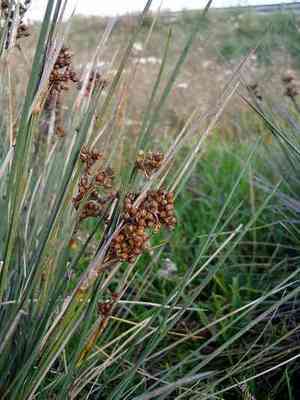
The most favorable period for relocating spiny rush extends from early to mid-spring, providing moderate temperatures that aid in root development. Select a bright spot featuring soil that drains effectively. Careful manipulation of the root system during this procedure is advantageous.
Essential Preparations Before Relocating Spiny Rush?
Optimal Period for Relocating Spiny Rush?
The ideal period for moving spiny rush is during the spring awakening, after the ground thaws and prior to the intense summer heat. This timeframe, from early to late spring, allows spiny rush to develop its root system when the earth is damp and temperatures are moderate, ensuring a robust beginning. Utilizing this window promotes vigorous development, as plants can settle without the strain of extreme heat or potential frost damage. By selecting these prime conditions, you enhance spiny rush's chances of thriving in its new spot.
Recommended Spacing Between Spiny Rush Plants?
When relocating spiny rush, provide ample room for growth. Aim to position them approximately 6-12 inches (15-30 cm) apart. This spacing ensures each plant has sufficient area to expand without competing for vital resources. Excellent work on this initial step!
Ideal Soil Blend for Spiny Rush Relocation?
For flourishing spiny rush plants, incorporate well-draining soil along with a small amount of balanced, slow-release fertilizer. This will provide spiny rush with a nourishing start without overwhelming them. Consider it a gentle welcome to their new environment!
Optimal Location for Your Spiny Rush?
Your spiny rush will thrive in a sunny spot with some partial shade. Select a site where they can receive direct sunlight for several hours daily. This will ensure your spiny rush obtains the necessary energy for beautiful development. You're on your way to a flourishing garden!
Necessary Equipment for Spiny Rush Relocation?
Gardening Gloves
To safeguard your hands while handling soil and plants.
Shovel or Spade
For excavating around and beneath the plant for removal, and to dig the new planting hole.
Watering Can or Hose
To hydrate the plant before and after extraction from its original site and in its new position.
Trowel
For detailed tasks or smaller plants, if required.
Wheelbarrow
To transport the plant from one place to another, especially if it's large or heavy.
Pruning Shears
To trim any damaged roots or foliage prior to relocation.
Measuring Tape
To guarantee correct spacing between newly relocated plants.
Garden Fork
To loosen the soil at the new site and aid in incorporating amendments, if needed.
How to Extract Spiny Rush from the Ground?
How to Extract Spiny Rush from the Ground?
From Ground: First, moisten the spiny rush plant to soften the soil, making it easier to manage. Carefully dig a wide circle around the plant with a shovel or spade to prevent harming the root system. Push the spade deeply into the soil and lift gently to remove the root ball with minimal disruption.From Pot: Water the spiny rush thoroughly. Invert the pot sideways and gently tap to loosen the soil. Grasp the plant's base and carefully slide it out, supporting the root ball. If the plant is stuck, you might need to run a knife along the pot's inner edge.From Seedling Tray: Water the seedlings well. Use a trowel or your fingers to carefully lift each spiny rush plant by its base, taking care not to damage the delicate roots. Separate the roots if they are tightly intertwined.
Detailed Steps for Relocating Spiny Rush
Preparation
Gather all required tools and thoroughly water the spiny rush before beginning the relocation to minimize plant stress. Ensure the new planting area is prepared for the transplant and that all tools are clean to prevent disease transmission between plants. Also, aim to transplant on an overcast day or in the late afternoon to reduce transplant shock from intense sun.
Removal
Follow the appropriate removal procedure for spiny rush, whether it's from the ground, a pot, or a seedling tray, as detailed in the removal section. Exercise extreme caution to avoid damaging the plant's root ball.
Transportation
Move the plant to its new location, using a wheelbarrow if necessary. Handle the plant by its root ball rather than its stems or leaves.
Planting
Dig a hole in the new location that is twice the width of the root ball and of the same depth. Position the spiny rush in the center of the hole and gently backfill with soil, being careful not to bury the plant deeper than its original growing level. Press the soil firmly but gently around the plant to eliminate air pockets.
Watering
Deeply water the relocated spiny rush to help settle the soil around the roots and aid in recovery from transplant shock.
Support
If the spiny rush is tall or in a windy area, provide stakes or other supports to prevent the plant from toppling until its roots are established.
Post-Relocation Care for Spiny Rush
Monitoring
Inspect the spiny rush daily for the initial couple of weeks. Look for indications of transplant shock, such as wilting or discolored foliage, and address issues promptly.
Watering
Supply the spiny rush with consistent moisture to ensure the soil remains damp but not saturated, promoting robust root development.
Mulching
Apply a layer of mulch around the base of spiny rush to help retain soil moisture and regulate soil temperature, but be careful not to pile it against the plant's stem or leaves.
Weeding
Keep the area surrounding spiny rush free of weeds to lessen competition for water and nutrients.
Protection
Shield the newly relocated spiny rush from harsh weather conditions, such as strong winds or hail, using protective barriers if needed.
Resolving Common Issues with Spiny Rush Relocation.
When is the best time to relocate spiny rush?
Relocate spiny rush in early to late spring for optimal root establishment and growth.
What spacing should I use for spiny rush plants?
Space spiny rush plants 6-12 inches (15-30 cm) apart to allow for growth and prevent crowding.
What is the correct planting depth for spiny rush?
Plant spiny rush at the same depth it was growing previously. Avoid burying the crown deeply.
Why are my relocated spiny rushs wilting?
Wilting may occur due to transplant shock. Ensure proper watering, and avoid full sun initially.
What soil conditions benefit spiny rush after relocation?
Well-draining soil with consistent moisture supports spiny rush post-transplant. Avoid waterlogged conditions.
Can I relocate spiny rush in hot weather?
It's best to relocate spiny rush before or after high summer temperatures to reduce stress.
How much water does spiny rush need after relocation?
Water spiny rush generously after transplanting, and maintain consistent moisture, especially in dry spells.
Should I fertilize spiny rush after relocating?
Wait a few weeks before applying a balanced fertilizer to encourage new growth in spiny rush.
How do I manage root-bound spiny rush during relocation?
Gently separate the roots of root-bound spiny rush to encourage outward growth in the new site.
Why isn't my relocated spiny rush growing?
Patience is key! Spiny rush may take time to adjust to the new location before showing growth.



