How to Prune Spiny rush?
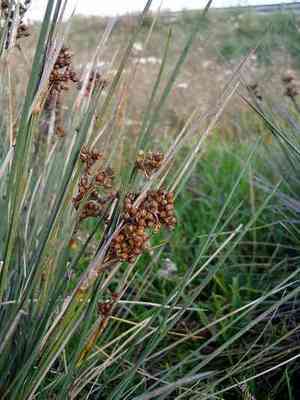
Distinguished by its pointed, rigid leaves, spiny rush necessitates care when trimming. Remove withered or compromised foliage in spring prior to the resumption of growth, or in summer following its blooming period. Employ protective gloves and precise cutting tools to achieve clean incisions, fostering a dense growth pattern and hindering seed dissemination, which is crucial for managing its proliferation in regions where it is not indigenous. Strategic trimming preserves its vitality and reduces its invasive potential, benefiting both the plant and the ecological balance.
Advantages of Trimming Spiny Rush
Advantages of Trimming Spiny Rush
Trimming spiny rush is crucial for preserving its vitality and desired shape. Deliberate cuts encourage vigorous development and keep spiny rush neat, lessening the chance of excessive growth that could diminish its beauty and usefulness.
Optimal Period for Trimming Spiny Rush
Optimal Period for Trimming Spiny Rush
The ideal time for trimming spiny rush is from late spring to early summer. This period aligns with spiny rush's post-flowering phase, after its spring growth spurt. Pruning then reduces plant stress and aids rapid recovery. Late spring and early summer trimming also removes spent blooms, fostering new growth and maintaining spiny rush's appearance and health. Furthermore, pruning before peak summer heat minimizes the risk of sunscald on fresh cuts. It's also important to remember that while spiny rush tolerates various conditions, pruning should be minimal to preserve its natural form and avoid unnecessary damage that could expose it to pests and diseases.
Required Tools for Trimming Spiny Rush
Heavy-duty gloves
Given spiny rush's sharp, spiky leaves, wear robust gloves to safeguard your hands when handling and trimming the plant.
Sharp bypass pruners
Utilize sharp bypass pruners for their clean, precise cuts, which are less likely to harm the plant's tough, fibrous stems compared to anvil pruners.
Long-handled loppers
For thicker or more fibrous stems, long-handled loppers offer the necessary leverage for clean cuts without straining the gardener's hands or arms.
Handheld pruning saw
If spiny rush has developed particularly thick stems, a handheld pruning saw might be needed to cut through them without damaging the plant or the gardener.
Pruning shears
For routine upkeep of spiny rush, pruning shears are adequate for trimming slender stems and shaping the plant.
Safety glasses
Wearing safety glasses is advisable to shield your eyes from sharp leaves and debris when trimming spiny rush.
How to Trim Spiny Rush
Preparation
Gather all essential tools, including sharp pruning shears, gloves, and a bag for plant waste. Ensure tools are disinfected to prevent disease spread.
Identify
Thoroughly examine spiny rush to pinpoint diseased leaves, withered leaves, and diseased stems. Look for any discoloration, spots, or signs of pest infestation.
Section removal
Use the pruning shears to snip off diseased and withered leaves at their base where they connect to the main plant or stem. Make clean cuts to avoid tearing, which can cause further plant damage.
Clean cut
Cut back any diseased stems on spiny rush to a healthy section, ensuring each cut is clean and angled to prevent water accumulation that could lead to rot.
Disposal
Promptly dispose of all removed plant material, keeping it away from healthy plants and compost to prevent disease spread.
Common Trimming Errors with Spiny Rush
Over pruning
Removing too much foliage from spiny rush at once can stress the plant, potentially leading to weak growth or even plant death.
Improper cutting
Making cuts too close to the base or too far from the node can damage spiny rush and hinder new growth.
Pruning woody stems
Spiny rush's woody stems should be pruned with care. Incorrectly cutting these stems may prevent regrowth.
Using dull tools
Using dull tools to prune spiny rush can crush the stems, making the plant vulnerable to disease and pests.
Neglecting sanitation
Failing to sanitize pruning tools before working on spiny rush can introduce pathogens, spreading diseases to healthy areas of the plant.
General Trimming Advice for Spiny Rush
Selective pruning
Selectively remove dead or yellowing foliage from spiny rush to maintain the plant's aesthetic without hindering its natural growth habit.
Angled cuts
Make clean, angled cuts on spiny rush to promote water runoff and discourage disease.
Staggered pruning
Instead of drastically pruning spiny rush all at once, stagger pruning sessions to gradually shape the plant and encourage fuller growth.
Cutting at node
When shortening stems, always prune spiny rush just above a leaf node to encourage new shoots to emerge.
Tool maintenance
Ensure tools are sharp and clean before pruning spiny rush to make precise cuts and minimize stress to the plant.



