The Spiny rush Plant Advantage: Maximizing Home and Office Appeal and Wellness
1
This species flourishes in seaside and salty conditions.
2
It provides substantial advantages in preventing soil erosion.
3
Incorporate its ornamental qualities into garden designs.
Why is Spiny rush Important for Coastal Ecosystems?
Erosion Control
Spiny rush plays a crucial role in preventing erosion. Its strong root system stabilizes the soil, stopping it from being washed away by tides and storms, making it vital for coastal defense. Its effectiveness in securing soil helps maintain the integrity of shorelines, safeguarding habitats and human settlements.
Saline Tolerance
A remarkable characteristic of Spiny rush is its capacity to flourish in salty environments. Where many plants fail, Spiny rush thrives, making it a valuable asset in salt marshes and other high-salinity areas. This tolerance not only ensures its survival but also supports the broader ecosystem by offering a habitat for various wildlife.
How Does Spiny rush Benefit Human Landscapes?
Decorative Landscaping
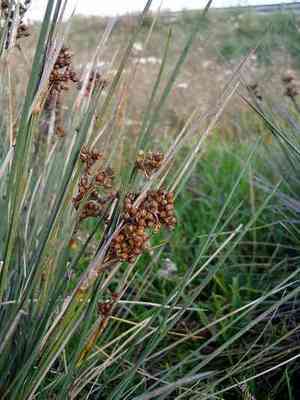
Beyond its ecological advantages, Spiny rush is increasingly favored in landscaping due to its striking appearance. Its spiny, rush-like form adds unique texture and visual interest to garden spaces. It can serve as a natural barrier or accent plant, offering both aesthetic appeal and practical value.
Low Maintenance
Spiny rush is a low-upkeep plant, requiring minimal watering and care once established. This makes it an ideal choice for gardeners and landscape designers seeking sustainable and cost-effective options. Its resistance to pests and diseases further reduces the need for chemical interventions, fostering a healthier environment.
What Are the Broader Environmental Benefits of Spiny rush?
Carbon Sequestration
Spiny rush contributes to carbon sequestration, the process where carbon dioxide is absorbed from the atmosphere and stored in plant biomass. This helps mitigate climate change by reducing greenhouse gases in the air. As Spiny rush grows in dense clusters, its cumulative effect on carbon storage can be substantial.
Biodiversity Support
In supporting biodiversity, Spiny rush provides habitats and food sources for various animal species, including birds and insects. Its dense foliage offers shelter and nesting sites, while its flowers provide nectar. This interaction of flora and fauna enhances the overall health and diversity of the ecosystem where Spiny rush is present.
Is Spiny rush a Sustainable Choice for Modern Landscapes?
Adaptation in Urban Areas
Given its resilience, Spiny rush also adapts well to urban settings. It's used in urban planning to create green spaces that need minimal maintenance, improving city life quality. Its ability to grow in poor soil conditions makes it a dependable and sustainable option for urban landscaping projects.
Sustainable Agriculture
In some regions, Spiny rush is being explored for use in sustainable agriculture. Its ability to thrive in harsh conditions can help restore degraded lands for cultivation. Additionally, it can be integrated into agroforestry systems to improve soil health and provide shade, further boosting agricultural productivity.
How Can You Integrate Spiny rush into Your Space?
Design Considerations
When incorporating Spiny rush into your garden or landscape, consider its growth habits and environmental needs. Plant it in areas where it can best thrive, such as coastal gardens or salt-tolerant landscapes. Pair it with other robust plant species to create a cohesive and sustainable garden design.
Practical Tips
Begin with well-draining soil and place the plants where they can receive ample sunlight. Watering is minimal once plants are established, but young plants may need regular hydration. Integrate Spiny rush into both formal and informal garden designs to leverage its natural beauty and hardiness.



