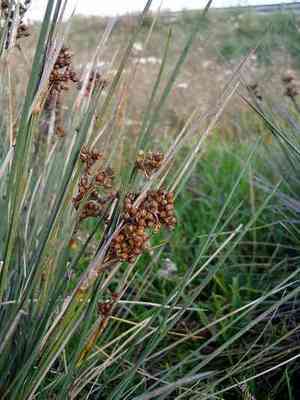
Spiny rush (Juncus acutus)
Also known as: Southwestern spiny rush, Sharp-pointed rush
Spiny rush (Juncus acutus) is a hardy perennial found globally in environments like salt marshes and desert dunes. It features sharp, needle-like green or brown stems that can be hazardous to people and animals. Despite being appreciated by some landscapers, it has invasive tendencies. Indigenous groups in California have traditionally used its strong stems for basket weaving. The plant is also valuable for erosion control, water purification, and providing wildlife habitats.
In This Article
Attributes of Spiny rush
Lifespan
Perennial
Plant Type
Herb
Plant Height
60 cm
Spread
1 m
Leaf Color
Green
Flower Size
Approx. 0.3 cm
Flower Color
Brown Yellow Pink
Images of Spiny rush

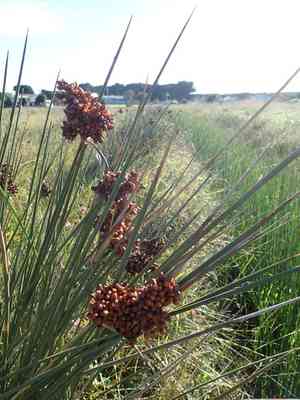


Quickly Identify Spiny rush
1
Juncus acutus can be identified by its stiff, sharply pointed leaves that can be over a meter long. The stems are dense and cylindrical, with the plant forming large, spiny clumps. Flowers are small, brownish, and form a clustered inflorescence.
Scientific Classification of Spiny rush
Phylum
Vascular plants
Class
Monocotyledons
Order
Poales
Family
Rush
Genus
Rushes
Species
Spiny rush
Planting and Growing of Spiny rush
Care Difficulty
Easy
Watering Schedule
Every 3 days
Sunlight Requirements
Full sun
Sunshine Duration
6-10 hours
Ideal Temperature
50-77℉
Soil Type
Potting Mix, Peat Mix
Soil pH
6-8
Fertilizer Type
Balanced
Pruning Season
Spring, Summer
Pruning Area
Branches, Leaves
Pruning Frequency
2 times a year
Repotting Season
Spring
Pot Type
Plastic, Ceramic
 How to Water Spiny rush?
When watering Juncus acutus, ensure the soil is thoroughly moistened, but avoid leaving the plant in standing water. The general principle is to water until you see a slight drainage from the pot's bottom, indicating that the root zone is sufficiently hydrated yet not oversaturated.
What are the symptoms of an underwatered Spiny rush?
›
What should I do if my Spiny rush is not getting enough water?
›
What are the symptoms of an overwatered Spiny rush?
›
How to save an overwatered Spiny rush?
›
 What Are the Sunlight Requirements for Spiny rush?
Semi-daylight to full daylight is ideal, promoting photosynthesis and structural strength. This range supports vigorous and dense growth, enhancing its ornamental appearance.
More About Sunlight Requirements Techniques→
How much sun does Juncus acutus need?
›
What are the solutions to provide ideal light conditions?
›
What are the benefits of ideal light conditions?
›
 What Is the Ideal Temperature Range for Spiny rush?
The ideal temperature range for growing Juncus acutus is between 50°F and 77°F. This range provides optimal conditions that support healthy growth and development of the plant. It ensures proper biological processes, such as photosynthesis and nutrient absorption, are carried out efficiently to promote vibrant health of Juncus acutus.
 What Soil is Best for Spiny rush?
Juncus acutus prefers well-drained soil to prevent root rot and ensure healthy growth. This allows the roots to access both nutrients and oxygen easily, facilitating robust development. While it tolerates dryness, Juncus acutus flourishes with consistent moisture. The soil should be capable of holding moisture without becoming waterlogged, which helps maintain the plant's structural integrity. The plant thrives in nutrient-rich soil that provides essential minerals. This is crucial for supporting its rapid growth and development, particularly in coastal ecosystems.
 How to Fertilize Spiny rush?
Juncus acutus, commonly known as the sharp rush, thrives in nutrient-rich environments but in moderation. Generally, use a balanced liquid fertilizer at a rate of one teaspoon per gallon of water for liquid applications, ensuring not to overload the soil and cause nutrient burn. For solid fertilizers, such as a slow-release granule, apply at a rate of 1 to 2 ounces per square foot to maintain a steady nutrient supply without overwhelming the plant.
 How to Prune Spiny rush?
Use sharp pruning shears to make clean cuts. It ensures minimal damage to the plant and cleaner healing, reducing the risk of infection. Remove any brown, dead, or damaged stems. This not only helps the plant look neat but also prevents diseases from spreading. Prune back any areas that have become too lush, especially those encroaching on pathways or other plants. This maintains the plant's shape and health.
More About Pruning Techniques→
 How to Propagate Spiny rush plant?
1
Fill the seed tray with a well-draining seed starting mix. Moisten the medium before sowing the seeds to create a suitable environment for germination.
2
Sprinkle Juncus acutus seeds evenly over the pre-moistened seed tray surface. Do not cover the seeds deeply; a light dusting of soil suffices as they need light to germinate.
3
Once seedlings develop at least two true leaves, transplant them into individual pots or a prepared garden area, ensuring not to damage the delicate roots.
 How to Repot Spiny rush plant?
1
Look for signs such as the roots outgrowing the current pot, slowing of growth, or soil that retains water excessively. These cues indicate it's time for Juncus acutus to be repotted to enhance its growth and vitality.
2
A pot slightly larger than the current one, typically 1-2 inches wider, ensures sufficient space for root development. Preferably made of breathable materials like clay, it prevents waterlogging, promoting healthy root aeration.
3
Opt for a well-draining sandy soil mix that mimics the plant's natural habitat. This type of soil prevents root rot by facilitating excellent drainage while providing essential minerals for growth.



