How to Transplant Ragged nettlespurge?
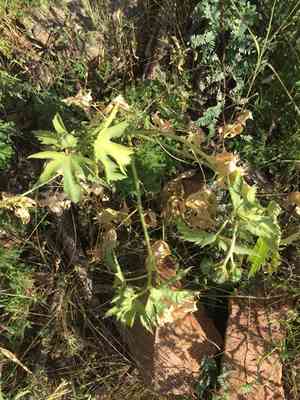
Ragged nettlespurge flourishes optimally when relocated from the beginning of early spring until the threshold of late spring, since elevated temperatures facilitate root development. Provide a bright, adequately drained site to encourage vigorous growth. Refrain from transplanting during severe weather.
What Preparations are Needed Before Transplanting Ragged Nettlespurge?
What is the Ideal Time for Transplanting Ragged Nettlespurge?
The prime period for relocating ragged nettlespurge spans from early to late spring. During this interval, the ground temperature is rising, creating optimal conditions for root establishment. Moving the plant at this time allows ragged nettlespurge to benefit from the entire growing season, boosting its development and resilience. Preparation involves ensuring the soil drains well and is rich in organic material.
How Much Space Should You Leave Between Ragged Nettlespurge Plants?
When transplanting ragged nettlespurge, ensure each plant is spaced 24-36 inches (61-91 cm) apart. This will provide adequate room for development and promote good air circulation.
What is the Best Soil Mix for Ragged Nettlespurge Transplanting?
Ragged nettlespurge thrives in soil that drains well, with a pH ranging from 6.0 to 7.5. Enhance the soil with organic compost and a balanced base fertilizer (such as 10-10-10) prior to transplanting.
Where Should You Relocate Your Ragged Nettlespurge?
Select a sunny location for transplanting ragged nettlespurge, as this plant prefers full sunlight. Ensure it receives at least 6-8 hours of direct sun daily for optimal growth.
What Equipments Should You Prepare Before Transplantation Ragged Nettlespurge?
Gardening Gloves
To safeguard your hands while handling soil and the plant.
Shovel or Spade
For excavating and lifting the plant from its initial spot.
Trowel
For smaller, precise digging tasks and to aid in planting.
Gardening Fork
To loosen the earth and gently assist in lifting the root ball.
Watering Can or Hose
To hydrate the plant before and after its relocation.
Pruning Shears
To trim any damaged roots or stems during the transplanting process.
Bucket
To transport the excavated plant or for irrigation purposes.
Stakes and Twine
To provide support for the plant if necessary after transplanting.
Mulch
To cover the soil around the plant after transplant to retain moisture.
How Do You Remove Ragged Nettlespurge from the Soil?
How Do You Remove Ragged Nettlespurge from the Soil?
From Ground: First, water the ragged nettlespurge plant to moisten the soil. Next, dig a wide trench around the plant using a shovel or spade, making sure the plant's root ball stays intact. Carefully work the spade beneath the root ball to lift the plant from its original spot.From Pot: Water the ragged nettlespurge plant to loosen the soil. Gently tilt the pot on its side and tap the edges to release the plant. If the plant is stuck, run a trowel around the rim to loosen the roots. Carefully slide or lift the plant out, keeping the root ball undisturbed.From Seedling Tray: Water the seedlings to make the soil easier to manage. Use a small trowel or your hands to gently lift each seedling from the tray, ensuring the roots and surrounding soil remain intact.
Step-by-Step Guide for Transplanting Ragged Nettlespurge
Preparation
Thoroughly water the ragged nettlespurge plant a few hours before removal to reduce stress on the plant and make the soil easier to work with.
Digging the Hole
Excavate a hole in the new location that is twice as wide and equally as deep as the ragged nettlespurge's root ball. This provides ample room for root development.
Transferring the Plant
Carefully place the ragged nettlespurge plant into the hole, ensuring it sits at the same depth as it was in its previous spot. Fill the hole halfway with soil, then water to eliminate any air pockets.
Backing Soil
Fill the remainder of the hole with soil, gently firming it around the plant's base to offer support. Water the area thoroughly once more.
Supporting the Plant
If needed, use stakes and twine to support the ragged nettlespurge, especially if it's a larger specimen. This helps it stay upright and stable as it establishes itself.
How Do You Care For Ragged Nettlespurge After Transplanting?
Watering
Keep the soil around the ragged nettlespurge consistently damp, but not waterlogged, for the initial weeks after transplanting to aid in strong root establishment.
Mulching
Apply a layer of mulch around the plant's base to help retain moisture and regulate soil temperature.
Pruning
Trim away any damaged or dead foliage to direct the plant's energy towards developing new roots.
Monitoring
Observe the plant for any indications of transplant shock, such as wilting or yellowing leaves, and provide additional care as necessary during its adjustment period.
Troubleshooting Common Issues with Ragged Nettlespurge Transplantation.
When is the best time to transplant ragged nettlespurge?
The optimal time to transplant ragged nettlespurge is from early spring to late spring for best growth.
How much spacing is needed between ragged nettlespurge plants?
Space ragged nettlespurge plants 24-36 inches (60-90 cm) apart to allow sufficient room for growth.
How do I prepare the soil for transplanting ragged nettlespurge?
Prepare well-draining soil enriched with organic matter for transplanting ragged nettlespurge to ensure healthy growth.
What tools do I need to transplant ragged nettlespurge?
You will need a shovel, gloves, and a watering can or hose for transplanting ragged nettlespurge.
How deep should I plant ragged nettlespurge in the ground?
Plant ragged nettlespurge at the same depth it was in its original pot to avoid stress.
How do I minimize transplant shock for ragged nettlespurge?
Water thoroughly, avoid disturbing roots excessively, and transplant in cooler parts of the day.
What should I do after transplanting ragged nettlespurge?
Water the newly transplanted ragged nettlespurge regularly and mulch around it to retain moisture.
Should I prune ragged nettlespurge when transplanting?
Prune any damaged or dead leaves but avoid heavy pruning to minimize stress on ragged nettlespurge.
How do I ensure proper drainage for ragged nettlespurge?
Plant ragged nettlespurge in a raised bed or amend soil with sand or gravel for better drainage.
How much sunlight does ragged nettlespurge need post-transplanting?
Ensure ragged nettlespurge receives full sun to partial shade after transplanting for optimal growth.



