How to Prune Ragged nettlespurge?
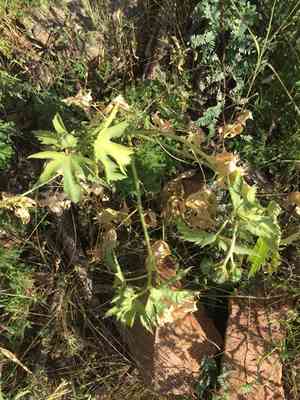
Ragged nettlespurge exhibits unique leaves and groupings of tiny blossoms. Perform trimming in early spring to eliminate deceased or ailing limbs, manage its form, and stimulate more robust development. Concentrate on severing branches back to robust side branches or nascent buds. Refrain from extensive cutting during periods of active development to avert strain. Consistent trimming enhances air movement and light exposure, bolstering immunity to disease and overall vitality. Always employ sanitized, keen implements to execute accurate cuts, guaranteeing quicker recovery and more wholesome regeneration.
Why Prune Ragged Nettlespurge?
Why Prune Ragged Nettlespurge?
Pruning ragged nettlespurge encourages robust development and maintains its form, fostering healthy growth and improving its look.
When Is the Best Time to Prune Ragged Nettlespurge?
When Is the Best Time to Prune Ragged Nettlespurge?
Pruning ragged nettlespurge in early spring is ideal as it aligns with the plant's dormant period, just before new growth begins. During dormancy, ragged nettlespurge faces less risk of disease spread and pest issues, ensuring healthier regrowth. Additionally, early spring pruning allows ragged nettlespurge to recuperate and produce strong new shoots, leading to more vigorous growth and better blooms or fruit in the coming season.
What Tools Are Needed to Prune Ragged Nettlespurge?
Bypass Pruners
Perfect for precise cuts on branches up to 1/2 inch thick. These pruners provide clean cuts without crushing plant tissue, promoting quicker healing.
Loppers
Suitable for thicker branches (up to 2 inches). Offers leverage and reach for trimming high or difficult-to-access areas.
Pruning Saw
Essential for cutting larger woody stems and branches that loppers cannot handle. The saw ensures clean cuts to minimize damage.
Gloves
Protect hands from thorns or irritants during pruning. Ensures safety throughout the pruning process.
How to Prune Ragged Nettlespurge
Preparation
Sanitize pruning tools to prevent disease transmission. Use a solution of one part bleach to nine parts water.
Inspection
Examine ragged nettlespurge for disease indicators, such as discoloration or unusual spots on leaves and branches, and identify any withered or dead parts.
Remove Diseased Leaves
Cut off any diseased leaves at their base using sterile, sharp pruning shears. Dispose of these leaves away from the plant to prevent contamination.
Remove Withered Leaves
Trim withered leaves by cutting them off at the stem. Ensure complete removal of the leaf to avoid residual decay.
Trim Dead or Diseased Branches
Identify dead or severely diseased branches and cut them back to healthy tissue using a clean, sharp saw or loppers. Make the cut just above a healthy node or branch junction to promote healing.
Common Pruning Errors with Ragged Nettlespurge
Incorrect technique
Using dull tools or making jagged cuts can harm the plant, making it susceptible to disease and pest infestations.
Excessive pruning
Removing too much foliage at once can stress ragged nettlespurge, reducing its ability to photosynthesize and recover.
Cutting at the wrong angle
Making cuts straight across instead of at a 45-degree angle can lead to water accumulation and potential rot.
Pruning too late
Delaying pruning can result in missed opportunities for encouraging new growth and effectively shaping the plant.
General Pruning Advice for Ragged Nettlespurge
Sharp, clean tools
Always use sharp and sterilized pruning shears to make clean cuts, minimizing damage to ragged nettlespurge and reducing disease risk.
Angled cuts
Make cuts at a 45-degree angle to promote faster healing and prevent water from pooling on the cut surface.
Moderate pruning
Remove only one-third of the plant's foliage at a time to avoid significant stress and ensure gradual recovery.
Targeting weak growth
Focus on removing weak, dead, or diseased branches to improve ragged nettlespurge's overall health and vigor.
Mindful of sap
Be aware that ragged nettlespurge can secrete sap when cut, which can be irritating to the skin. Wear gloves and long sleeves to protect yourself.



