How to Propagate Ragged nettlespurge?
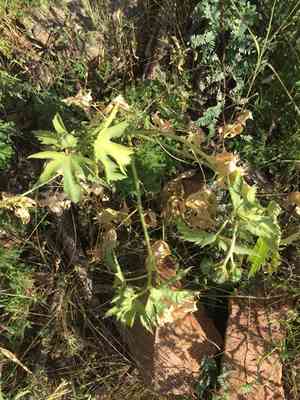
Ragged nettlespurge, a member of the Euphorbiaceae family, flourishes in adequately draining substrate and necessitates a warm environment. For reproduction, tender stem sections are optimal. Verify that these sections originate from robust, established specimens and are treated with a rooting stimulant. Position them in a damp, sandy substrate, initially shielding them from direct solar exposure. Sustain steady dampness and moderate atmospheric moisture to foster root formation. Periodically spraying the leaves helps maintain the cuttings' hydration.
Optimal Period for Ragged Nettlespurge Propagation
Propagation Method
Cutting
Propagation Period
Spring,Summer
Tools Required for Ragged Nettlespurge Propagation
Pruning Shears
Utilized for obtaining clean and precise sections from the parent plant. This is crucial for preventing plant harm and maximizing the rooting potential of the cuttings.
Rooting Hormone
Facilitates the acceleration of root formation on cuttings, thereby increasing propagation success. This is vital for ragged nettlespurge to ensure faster establishment in the growth medium.
Propagation Trays
Offers a regulated setting for placing cuttings. These containers aid in maintaining moisture and stability, which benefits ragged nettlespurge in developing a robust root system.
Sterilized Containers
Employed for holding the rooting substrate and cuttings. Sterilized vessels prevent the introduction of harmful agents that could adversely affect ragged nettlespurge cuttings.
Sterile Rooting Medium
A mixture of perlite, vermiculite, or peat that provides excellent drainage and aeration, essential for rooting ragged nettlespurge cuttings. Ensures adequate oxygen supply without waterlogging.
Spray Bottle
Used to mist the cuttings, maintaining high humidity levels which are crucial for the initial stages of rooting. This helps ragged nettlespurge cuttings stay hydrated and reduces stress.
Heat Mat
Supplies warmth from below to encourage root development in ragged nettlespurge cuttings. It accelerates the rooting process by keeping the substrate at an ideal temperature.
Plastic Dome
Generates a miniature greenhouse effect when positioned over propagation trays. This assists in maintaining humidity and warmth, aiding ragged nettlespurge in successful rooting.
Procedure for Propagating Ragged Nettlespurge
Propagation Difficulty
Moderately Difficult
Post-Propagation Care for Ragged Nettlespurge
Post-Propagation Care for Ragged Nettlespurge
Once the cutting has established a significant root system, gradually introduce ragged nettlespurge to standard environmental conditions by removing any humidity domes or plastic covers. Provide ragged nettlespurge with bright, indirect illumination and maintain a consistent watering regimen, allowing the soil to dry slightly between waterings. Fertilize monthly with a balanced, water-soluble product during the active growth period. Ensure proper drainage and avoid excessive watering to prevent root rot.
Common Errors to Avoid During Ragged Nettlespurge Propagation
Improper Handling of Cuttings
Careless handling of cuttings can injure the stems, diminishing their capacity to root successfully.
Overwatering
Supplying too much water can lead to root rot, which is detrimental to new cuttings that lack a well-developed root system.
Using Poor Quality Soil
Employing soil that is too dense or lacks adequate drainage can suffocate the roots and hinder growth.
Incorrect Use of Rooting Hormones
Excessive or insufficient application of rooting hormones can negatively impact root development, either by causing tissue burn or failing to adequately stimulate root growth.
Advice for Propagating Ragged Nettlespurge
Utilize Sharp, Sterilized Tools
When taking cuttings, employ sharp and sterilized implements to make clean cuts. This helps prevent infections and promotes faster rooting.
Ensure Well-Draining Soil
Opt for a well-draining soil mix to prevent waterlogging, which supports healthy root formation.
Moderate Watering
Water the cuttings moderately. Keep the soil moist but not saturated to avoid root rot.
Apply Rooting Hormone Properly
Use rooting hormone according to the instructions. This can enhance rooting success by stimulating root development.
Maintain Proper Humidity
Create a humid environment for cuttings, such as using a humidity dome or misting regularly, to reduce water loss and stress.



