How to Transplant Barbados nut?
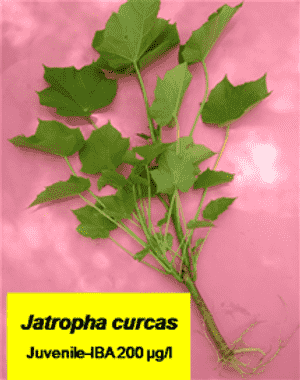
For vigorous development, relocate barbados nut as spring commences, once the ground thaws. Select a bright location offering excellent drainage. When transferring barbados nut, ensure its root system remains undisturbed for a smooth adjustment to its new environment.
What Preparations are Needed Before Transplanting Barbados Nut?
What is the Ideal Time for Transplanting Barbados Nut?
The best times for relocating barbados nut are during the onset of early spring or the vigor of mid-spring. These periods offer mild temperatures and stable conditions, perfect for root development. Moving barbados nut at these times utilizes its natural growth cycle, ensuring a strong start in a new spot. The favorable weather and increased moisture aid recovery from transplant shock, promoting a smooth transition for barbados nut.
How Much Space Should You Leave Between Barbados Nut Plants?
When preparing to transplant your barbados nut, remember to allow ample room between each plant. A spacing of 4-5 feet (approximately 1.2-1.5 meters) is optimal to prevent competition for resources and encourage healthy growth.
What is the Best Soil Mix for Barbados Nut Transplanting?
Soil preparation for barbados nut is crucial. It thrives in sandy or loamy soil with good drainage. It's best to enrich the soil with a foundational fertilizer like compost for optimal development. The pH should be checked; it should be slightly acidic to neutral (6.0 - 7.5).
Where Should You Relocate Your Barbados Nut?
Like many plants, barbados nut loves sunlight! Select a garden spot where it will receive full sun for at least 6 hours daily. However, it can also tolerate partial shade if full sun isn't an option.
What Equipments Should You Prepare Before Transplantation Barbados Nut?
Gardening Gloves
To protect your hands while handling soil and plants.
Shovel or Spade
For digging an appropriate hole in the new planting site and assisting in lifting the plant from its original spot.
Tape Measure
To help determine the correct depth and width of the hole to dig for the barbados nut plant.
Pruners
To trim roots or branches if necessary.
Wheelbarrow
To move the barbados nut plant from its initial location to the new one.
Watering Can or Garden Hose
To hydrate the plant after relocation.
Mulch
To help maintain soil moisture and suppress weeds around the plant post-transplantation.
How Do You Remove Barbados Nut from the Soil?
How Do You Remove Barbados Nut from the Soil?
From Ground: First, water the barbados nut plant to moisten the earth. Then, use a shovel or spade to dig a wide trench around the plant, keeping the root ball intact. Gently work the spade beneath the root ball to carefully lift the plant.From Pot: Water the plant thoroughly before starting. Invert the pot and hold the plant at its base, then tap the pot's bottom to encourage the plant to slide out. Be careful not to harm the root ball.From Seedling Tray: Water the seedlings to dampen the soil. Then, use a dibber (a pointed stick) to gently pry the seedlings out of the tray. Handle the seedlings by their leaves to avoid damaging the delicate stems.
Step-by-Step Guide for Transplanting Barbados Nut
Preparation
Clear the chosen transplant site of any debris or unwanted plants. Using your shovel or spade, dig a hole that is twice as wide and as deep as the root ball of the barbados nut plant.
Placement
Lower the barbados nut plant into the hole, ensuring the top of the root ball is level with the surrounding soil to prevent burying the plant's stem.
Backfilling
Fill the hole with the excavated soil, gently firming it around the root ball. Avoid compacting the soil too much, as it needs to remain loose for root expansion.
Watering
Thoroughly water the plant until the soil is completely saturated.
Mulching
Apply a layer of mulch around the plant's base, avoiding direct contact with the stem, as this can retain moisture and encourage rot.
How Do You Care For Barbados Nut After Transplanting?
Watering
Keep the soil around your barbados nut consistently moist, but not waterlogged, for the initial few weeks following transplantation to aid root establishment.
Pruning
Remove any dead or diseased leaves or branches. This will direct energy towards root and new growth.
Monitoring
Watch for signs of transplant shock such as wilting, leaf drop, or color changes. If these symptoms persist, consult a local nursery or extension service.
Troubleshooting Common Issues with Barbados Nut Transplantation.
When should I best transplant the barbados nut?
The ideal period for transplanting the barbados nut is between season 1 and season 2. This ensures optimal development.
What spacing should I maintain between each barbados nut during transplantation?
Ensure each barbados nut has approximately 4-5 feet (1.2-1.5 meters) of space. This allows for proper growth and nutrient uptake.
Why are the leaves of my transplanted barbados nut turning yellow?
Yellowing leaves may indicate water stress or a lack of nutrients. Ensure the plant is adequately watered and consider adding a slow-release fertilizer.
How do I know when it's time to transplant my barbados nut?
When roots begin to emerge from the drainage holes, it signals that the barbados nut is ready for relocation.
What type of soil does the barbados nut require for successful transplantation?
Barbados nut needs well-draining soil. A mix of garden soil, sand, and organic compost is perfect for providing essential nutrients.
How much water does the barbados nut need after transplantation?
Initially, water barbados nut frequently to ensure the loosened soil settles. After the first week, moderate watering should suffice.
What do I do if my transplanted barbados nut doesn't seem to be growing?
Patience is crucial when cultivating barbados nut. If after several weeks the plant shows no growth, it might require more nutrients or water.
How deep should I plant the barbados nut?
The barbados nut should be planted as deep as its root ball, typically around 10 inches (25 cm). Ensure the top of the root ball is level with the soil surface.
How can I stabilize the barbados nut plant after transplantation?
Ensure to plant barbados nut firmly in the ground and stake if necessary, until the roots have sufficiently established.
What type of container is suitable for transplanting the barbados nut?
Choose a pot larger than the barbados nut's root ball. Containers made from materials like clay, ceramic, or high-quality plastic are effective.



