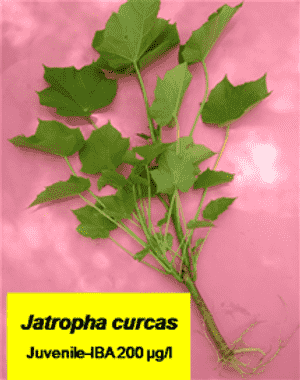
Barbados nut(Jatropha curcas)

Barbados nut (Jatropha curcas)

Also known as: Purging nut

The Barbados nut (Jatropha curcas) is cultivated globally for its ornamental appeal due to its fast growth. It is also effective as a living fence around grazing areas since cattle avoid eating its leaves. Additionally, oil extracted from its nuts is used as a fuel for torches, burning efficiently even in strong winds.

Attributes of Barbados nut

Lifespan
Perennial
Plant Type
Tree
Plant Height
4.5 m to 6 m
Spread
3 m to 4.5 m
Leaf Color
Green
Flower Size
6 cm to 10 cm
Flower Color
Yellow Green

ForwardPlant - Identify plants with a snap

Identify and diagnose plants, get toxicity alerts, and explore safety guides for all types of fungi.

Try for Free

Images of Barbados nut

Barbados nut(Jatropha curcas)

Quickly Identify Barbados nut

1
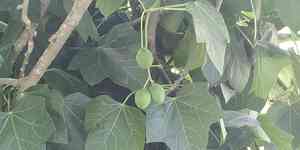
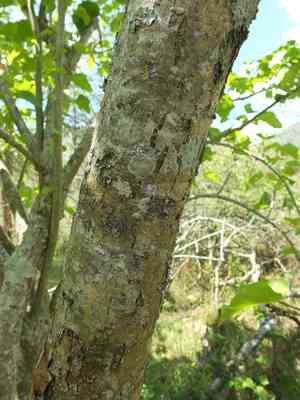
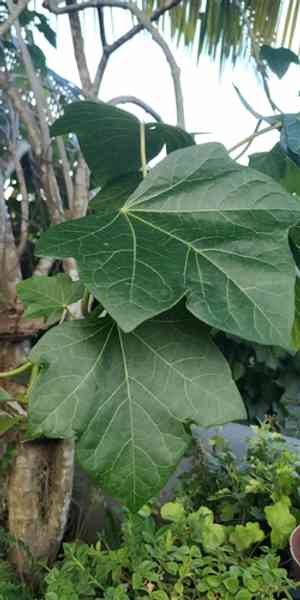
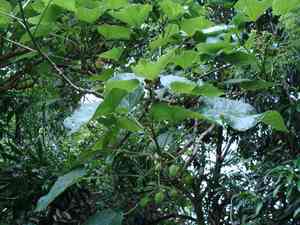
Jatropha curcas can be identified by its green, succulent stems and large, lobed leaves. The plant produces small, star-shaped yellow flowers and it has oval-shaped, green fruit that turns black upon maturing.

Scientific Classification of Barbados nut

Phylum
Vascular plants
Class
Dicotyledons
Order
Malpighiales
Family
Spurge
Genus
Physic nuts
Species
Barbados nut

Planting and Growing of Barbados nut

Care Difficulty
Easy
Watering Schedule
Every 2 days
Sunlight Requirements
Full sun
Sunshine Duration
6-10 hours
Ideal Temperature
68-86℉
Soil Type
Potting Mix, Peat Mix
Soil pH
5.5-8.5
Fertilizer Type
Balanced
Pruning Season
Spring, Summer
Pruning Area
Branches, Leaves
Pruning Frequency
2 times a year
Repotting Season
Spring
Pot Type
Plastic, Ceramic

water icon How to Water Barbados nut?

For Jatropha curcas, each watering session should deliver around 500 ml per plant. This principle caters to a balance where the soil is moist but not soggy. Aim to water until you see moisture at the base of the soil, which suggests the water has reached the roots correctly.
What are the symptoms of an underwatered Barbados nut?
What should I do if my Barbados nut is not getting enough water?
What are the symptoms of an overwatered Barbados nut?
How to save an overwatered Barbados nut?

sunlight icon What Are the Sunlight Requirements for Barbados nut?

Sunlight Requirements: Full sun
Duration of light: 6 to 8 hours daily
Ideal lighting for Jatropha curcas involves full sun exposure, as it ensures robust growth, healthier foliage, and prolific flowering. The plant performs optimally with at least six hours of direct sunlight.
What is the ideal lighting condition for Jatropha curcas?
How can you achieve ideal lighting conditions for Jatropha curcas?
What are the benefits of Jatropha curcas receiving ideal lighting?
More About Sunlight Requirements Techniques

temperature icon What Is the Ideal Temperature Range for Barbados nut?

Ideal Temperature: 68 ~ 86℉
For optimal growth, Jatropha curcas thrives in a warm environment where temperatures range between 68°F and 86°F. This range supports vigorous growth and maximizes photosynthesis efficiency, promoting healthy development.

soil icon What Soil is Best for Barbados nut?

Soil type: Sandy soil, Loam, Sandy loam
Soil PH: 5.5 ~ 8.5
Jatropha curcas thrives in soils that allow excess water to drain away swiftly. This reduces the risk of root rot and ensures that critical air exchange occurs in the root zone, promoting healthy plant growth. While Jatropha curcas is hardy, it benefits from soil enriched with organic matter. This boosts its growth and helps produce more robust foliage and seeds, pivotal for oil production. The plant does not flourish in overly fertile soil, as excessive nutrients can lead to leggy growth. Maintaining a balanced nutrient supply is essential for maintaining compact and sturdy growth.

fertilize icon How to Fertilize Barbados nut?

Fertilizer type: Balanced
For Jatropha curcas, it is important to apply fertilizers in modest amounts to avoid nutrient burnout. Use a balanced 10-10-10 NPK fertilizer at a rate of one tablespoon per gallon of water, making sure to evenly distribute it around the root area.

prune icon How to Prune Barbados nut?

Pruning Time: Spring, Summer
Use sharp, clean pruning shears or loppers to make precise cuts. Dull tools can damage the plant and make it vulnerable to infections. Always disinfect tools before and after each use to prevent disease spread between plants. Prune on dry days to minimize the risk of spreading diseases. Early morning is ideal to allow cuts to heal quickly with sunlight. Avoid pruning during periods of extreme heat or drought, as this can stress the plant unnecessarily. More About Pruning Techniques

propagate icon How to Propagate Barbados nut plant?

Propagate Time: Spring,Summer
1
Choose mature and healthy seeds from the Jatropha curcas plant to increase germination rates. Ensure that the seeds are free from any signs of disease or damage.
2
Select strong stems from the plant and cut them at an angle using pruning shears. Each cutting should have at least two nodes and be about 15 cm long for optimal rooting.
3
Plant the seeds in seed trays with soil mix, or place cuttings in a rooting medium. Keep the medium consistently moist but not waterlogged to promote growth.
More About Propagating Techniques

repot icon How to Repot Barbados nut plant?

Repotting frequency: Every 2-3 years
1
Repot Jatropha curcas when you notice reduced growth, roots coming out of drainage holes, or every 2-3 years at maximum. These are signals that the plant has outgrown its current container and needs more space to thrive.
2
Select a pot that is one size larger than the current one, with good drainage holes. This ensures that the roots have enough space to expand, promoting healthier growth while preventing waterlogging, which can harm the plant.
3
Opt for a well-draining potting mix, potentially mixed with perlite or sand. This choice ensures excess water drains away, preventing root rot and allowing the roots to breathe, essential for the plant's robust growth.

ForwardPlant - Identify plants with a snap

Find the best spots for them to optimize their health, simply using your phone.

Try for Free

Toxicity of Barbados nut

Is Barbados nut toxic to humans?

Every part of the Barbados nut is toxic if ingested, and exposure to its sap and seeds can lead to dermatitis and inflammation of the eyes. The plant's seeds may be confused with edible fruits and nuts, which raises the likelihood of unintentional poisoning. Symptoms of ingestion include a burning sensation in the throat, severe abdominal pain, rapid heart rate, dilated pupils, reduced saliva production, and skin flushes. All sections of the plant are harmful, especially the seed kernels that contain the toxic compounds curcasin, toxalbumen cursin, and croton resin. This tree, often seen as a shrub in home gardens, poses a heightened risk of poisoning for children through accidental consumption and for gardeners due to skin contact.

Identify toxic plants for your safety

Learn which plants are harmful to you and your pets, and make informed choices for a safer home!

Try for Free
WARNING
The judgment on toxicity and danger is for reference only. We DO NOT GUARANTEE any accuracy of such judgment. Therefore, you SHALL NOT rely on such judgment. It is IMPORTANT TO SEEK PROFESSIONAL ADVICE in advance when necessary.
More About Toxic Techniques