How to Propagate Barbados nut?
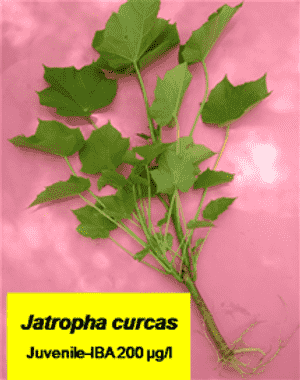
Jatropha curcas, recognized for its therapeutic and energy-producing uses, can be successfully multiplied via the cutting technique. Begin the propagation process with robust, pathogen-free stem sections to achieve the best outcomes. Before insertion, apply a rooting stimulant to the severed end to promote root formation. Insert the cuttings into a potting blend that drains efficiently, maintaining steady dampness without oversaturation. Place the cuttings in an area receiving sufficient sunlight and shield them from harsh elements to facilitate successful root anchoring and development.
When Is the Optimal Time to Propagate Barbados Nut?
Propagation Method
Cutting
Propagation Period
Autumn,Winter
What Equipment Is Used in Barbados Nut Propagation?
Pruning Shears
Pruning shears are crucial for obtaining cuttings from barbados nut. They enable precise, clean cuts that minimize harm to the parent plant and enhance the likelihood of successful rooting. High-quality shears with sharp, sterilizable blades are advantageous as they decrease the risk of disease transmission between plants.
Rooting Hormone
Rooting hormone is utilized to encourage root development in barbados nut cuttings. It boosts the cutting's capacity to rapidly form strong roots, thereby elevating the propagation success rate. This hormone typically comes in powder or liquid form and should be applied to the fresh cut on the stem prior to planting.
Sterile Potting Mix
A sterile potting mix offers a clean, regulated environment for barbados nut cuttings, free from pathogens that could impede root growth. A well-draining medium, potentially incorporating perlite, vermiculite, and peat moss, is ideal for supporting young roots without retaining excessive moisture.
Propagation Trays
Propagation trays are employed to arrange and hold barbados nut cuttings as they root. These trays should possess adequate drainage and be deep enough to support the cut stem and emerging roots. Transparent dome lids can be used to maintain high humidity around the cuttings, mimicking a mini-greenhouse environment.
Heating Mats
Heating mats are beneficial, particularly in colder climates, to provide bottom heat which promotes faster root growth in barbados nut cuttings. By sustaining a consistent soil temperature, these mats aid in creating optimal growing conditions, significantly improving the propagation success rate.
How to Propagate Barbados Nut?
Propagation Type
Moderately Difficult
How to Care for Your Newly Propagated Barbados Nut?
How to Care for Your Newly Propagated Barbados Nut?
Once barbados nut cuttings have established and new growth is apparent, typically after several weeks, gradually acclimate the plant by reducing humidity. Then relocate the plant to its permanent spot. Barbados nut requires full sun, well-draining soil, and should be watered when the soil surface feels dry. As barbados nut is drought-tolerant, avoid overwatering, and apply a balanced fertilizer during the growing season to promote vigorous growth.
Common Errors to Avoid When Propagating Barbados Nut
Overwatering
During the initial propagation phases, excessive water can lead to root rot in barbados nut. Its seeds and cuttings are especially vulnerable to fungal infections in waterlogged soil, which impedes root development.
Using unhealthy cuttings
Selecting diseased or weak cuttings can result in poor establishment and growth of barbados nut. Cuttings should always be healthy and free of pests or pathogens to ensure successful propagation.
Planting seeds too deep
Barbados nut seeds require adequate light for germination. Planting them too deeply can hinder the process as they might not receive sufficient light or may struggle to break through the soil.
Ignoring pre-treatment of seeds
Barbados nut seeds possess a hard coat that can obstruct water absorption, crucial for germination. Skipping pre-treatment steps like soaking or scarification can significantly lower germination rates.
Neglecting pest control
Barbados nut can be susceptible to pests during propagation. Failure to monitor and address pest issues can lead to damaged cuttings or seedlings and poor plant health.
Tips For Propagating Barbados Nut
Moderate watering
Maintain balanced soil moisture for barbados nut cuttings and seeds. The soil should remain slightly damp but not waterlogged to encourage healthy root growth.
Healthy cutting selection
Choose robust, disease-free cuttings for propagating barbados nut. Ensure they are taken from healthy plants, preferably from semi-hardwood sections for optimal results.
Appropriate seed depth
Sow barbados nut seeds at a shallow depth, covering them with only a light layer of soil to allow sufficient light penetration and easy sprouting.
Seed pre-treatment
To enhance germination rates, soak barbados nut seeds in water for a specific duration or gently scarify the seed coat before sowing, ensuring quicker and more uniform germination.
Pest monitoring
Regularly inspect barbados nut for signs of pests during propagation. Immediate and appropriate actions, such as using organic pesticides or physical barriers, will help maintain plant health.



